President Donald Trump’s Board of Peace initiative, presented as a new framework for managing ceasefires, security arrangements, and postwar reconstruction, is drawing uneven responses from allies and sharp debate among countries that have agreed to participate as well as those who have declined. In addition, questions arise over Senior White House Advisor Jared Kushner’s ‘New Gaza’ Plan to rebuild and develop the war-torn area.
Spain announced on Thursday it will decline the invitation to join. “We appreciate the invitation, but we decline,” Prime Minister Pedro Sanchez said after an EU summit in Brussels, explaining that Madrid’s position reflects its commitment to the United Nations and multilateral diplomacy.
Give the gift of hope
We practice what we preach:
accurate, fearless journalism. But we can't do it alone.
- On the ground in Gaza, Syria, Israel, Egypt, Pakistan, and more
- Our program trained more than 100 journalists
- Calling out fake news and reporting real facts
- On the ground in Gaza, Syria, Israel, Egypt, Pakistan, and more
- Our program trained more than 100 journalists
- Calling out fake news and reporting real facts
Join us.
Support The Media Line. Save democracy.
France, Norway, and Sweden have taken similar positions. French officials said they support efforts connected to Gaza but are wary the body could evolve into a replacement for the UN in handling global conflicts. The United Kingdom has also held back. Foreign Secretary Yvette Cooper cited concerns about potential Russian participation. The Kremlin, for its part, said President Vladimir Putin plans to discuss a proposal to send $1 billion in humanitarian funding to the board during talks with Palestinian Authority President Mahmoud Abbas, though releasing those funds would require US action.
Nineteen countries appeared on stage with President Trump in Davos to sign the founding charter, among them Pakistan. The move immediately sparked backlash in Islamabad. Parliamentary Affairs Minister Dr. Tariq Fazal Chaudhry defended the decision in the National Assembly, saying it was guided by national interest and the priorities of the Muslim world. Jamiat Ulema-e-Islam Fazl chief Fazal-ur-Rehman took the opposite view, warning lawmakers against joining the board: “Expecting peace from Trump is tantamount to living in [a] fool’s paradise,” he said. “We must not accept the Board of Peace under any circumstances … No so-called peace board in the form of Trump and Israeli Prime Minister Benjamin Netanyahu is acceptable at all.”
Israel joined the initiative with reservations. An Israeli official told the Times of Israel that Prime Minister Benjamin Netanyahu had little practical choice but to accept the invitation given Israel’s dependence on US support. While Jerusalem supports the broader concept, it objected to the inclusion of Turkey and Qatar on the Gaza Executive Board because of their ties to leaders of terrorist groups. Israel, the official said, “wasn’t well-positioned” to challenge the composition of the panel.
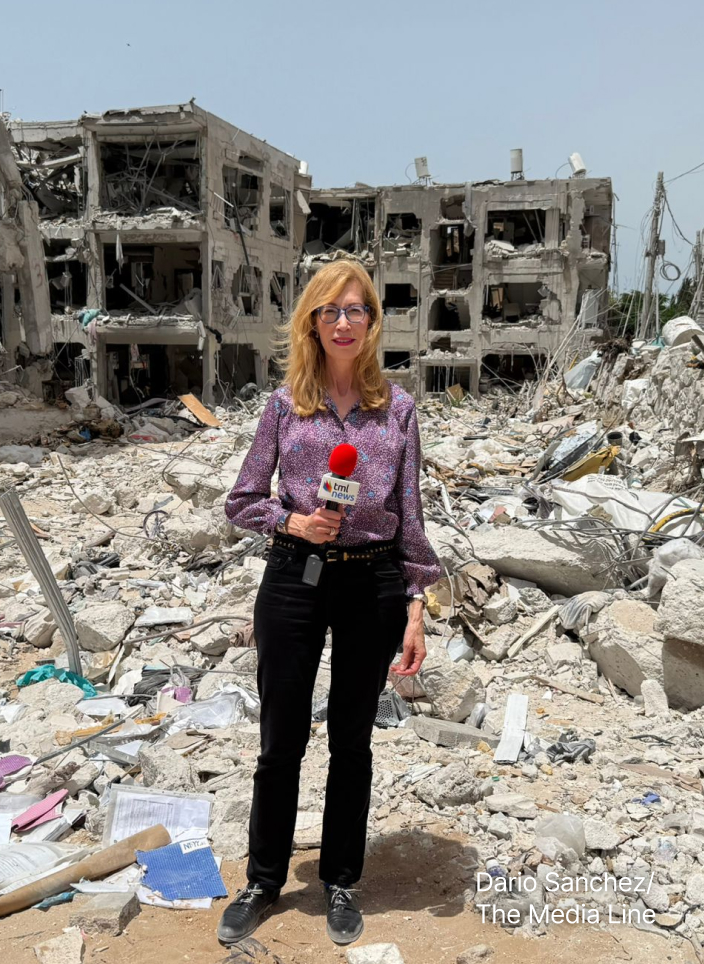
At the signing ceremony, Jared Kushner outlined what he described as a security-first blueprint for rebuilding Gaza. The phased plan begins in Rafah and extends to coastal and industrial zones, with a goal of lifting GDP above $10 billion and average household income beyond $13,000 by 2035 through coordination with Arab partners and the Palestinian Authority after Hamas demilitarization. The proposal drew criticism over the timeline, assumptions that Hamas would disarm, and the absence of immediate answers for nearly two million Palestinians.