For the first time in nearly half a century, the economic walls around Syria are cracking open. On August 25, the US Treasury Department scrapped sweeping sanctions that had strangled the country since the Cold War era, following executive orders from President Donald Trump. The decision, described as “historic,” may prove to be either the gateway to Syria’s return to the global stage—or the first test of a fragile new government still finding its footing.
In his report for The Media Line, Rizik Alabi traces [1] how the move unravels decades of pressure. Six executive orders were rescinded, more than 500 names scrubbed from Washington’s sanctions list, and banks freed to do business in Damascus without fear of penalties. Economists say it could mean wheat imports, medicine on shelves, and long-frozen investments finally moving again. One analyst put it bluntly: “Banks can now engage with Syrian counterparts without fear of secondary sanctions.”
Give the gift of hope
We practice what we preach:
accurate, fearless journalism. But we can't do it alone.
- On the ground in Gaza, Syria, Israel, Egypt, Pakistan, and more
- Our program trained more than 100 journalists
- Calling out fake news and reporting real facts
- On the ground in Gaza, Syria, Israel, Egypt, Pakistan, and more
- Our program trained more than 100 journalists
- Calling out fake news and reporting real facts
Join us.
Support The Media Line. Save democracy.
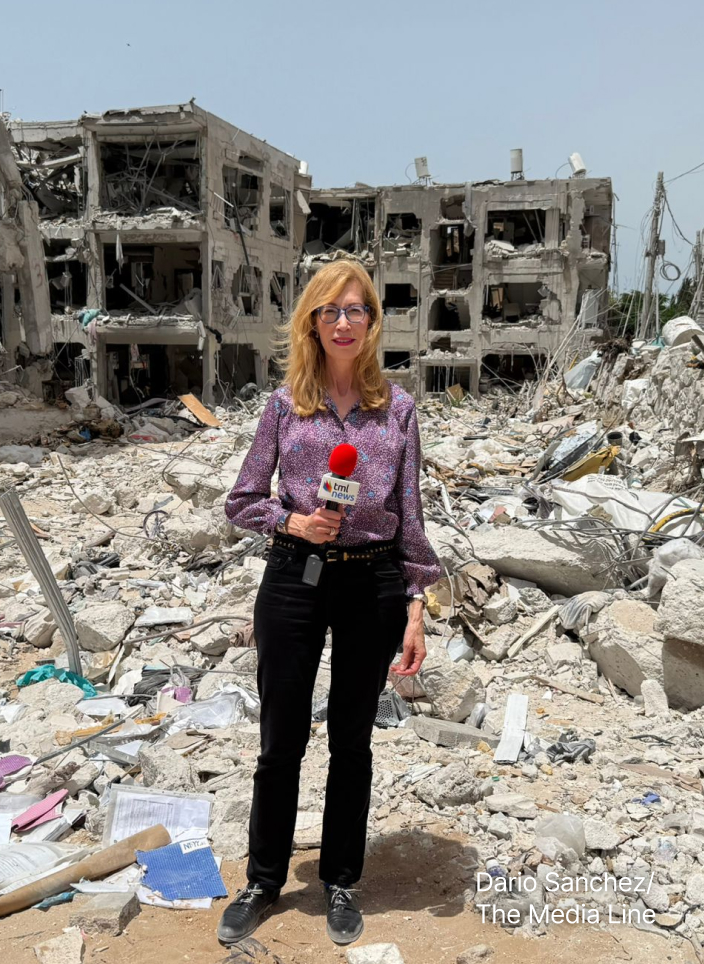
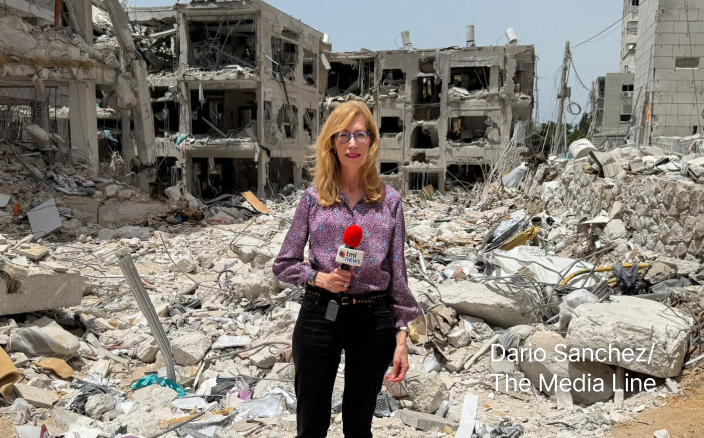
But this isn’t a clean slate. Assad himself remains blacklisted, along with top regime allies. Syrian American politician Ayman Abdel Nour warned, “The sanctions relief supports the transitional government, but it is conditional.” Washington, he argued, is keeping “levers of pressure” to force reforms.
The timing is no accident. Last winter’s collapse of Bashar al-Assad’s regime and the sudden rise of transitional president Ahmed al-Sharaa reshuffled the deck after more than a decade of bloodshed. Yet the road forward is uncertain: minority groups fear marginalization, drought has slashed wheat harvests by 40%, and investors eye Syria’s weak legal safeguards with suspicion.
Alabi’s full story [1] lays bare a country at a crossroads: sanctions gone, expectations high, and the question looming—will Syria seize this opening, or stumble back into crisis?