Sudan’s electricity and transport infrastructure is nearing collapse as the civil war between the Sudanese Armed Forces (SAF) and the paramilitary Rapid Support Forces (RSF) stretches into its second year. Ongoing violence, including drone strikes and sabotage, has crippled power generation and blocked key roads, exacerbating the country’s humanitarian crisis.
The Sudanese Electricity Company reported that just two of Sudan’s 15 thermal power stations are currently functioning. Seven have been either destroyed or seriously damaged, including the one in Khartoum. “Over 100,000 transformers have been destroyed,” said Abdullah Ahmed Mohamed Ali, the company’s director general, adding that 35% of generation capacity and 20,000 barrels of transformer oil have also been lost. Widespread blackouts are affecting most states, with Northern State entirely without electricity since early April.
Give the gift of hope
We practice what we preach:
accurate, fearless journalism. But we can't do it alone.
- On the ground in Gaza, Syria, Israel, Egypt, Pakistan, and more
- Our program trained more than 100 journalists
- Calling out fake news and reporting real facts
- On the ground in Gaza, Syria, Israel, Egypt, Pakistan, and more
- Our program trained more than 100 journalists
- Calling out fake news and reporting real facts
Join us.
Support The Media Line. Save democracy.
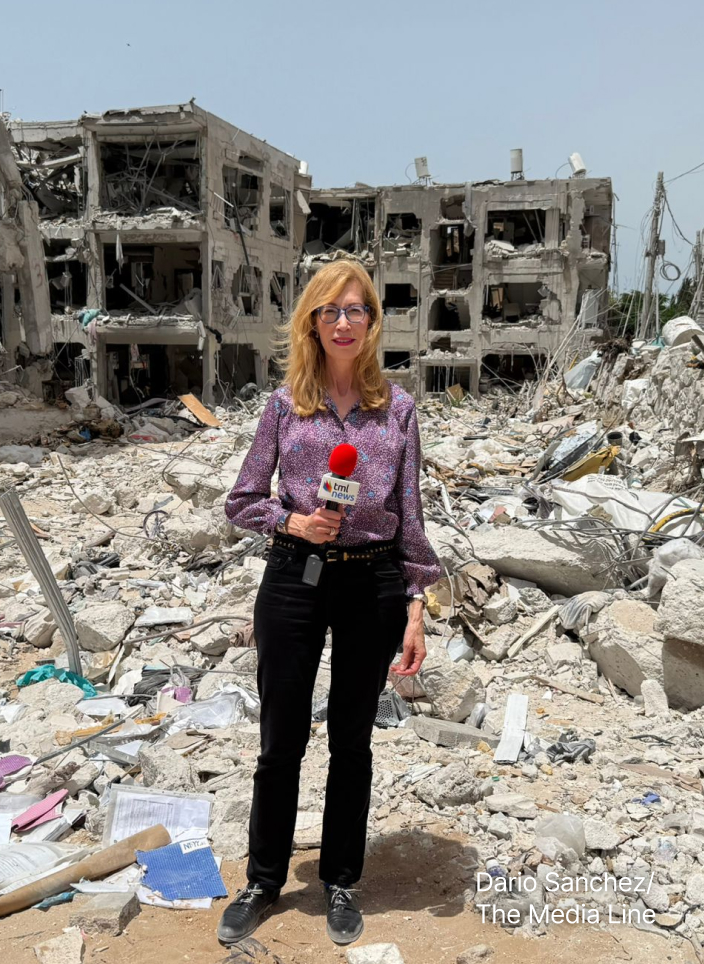
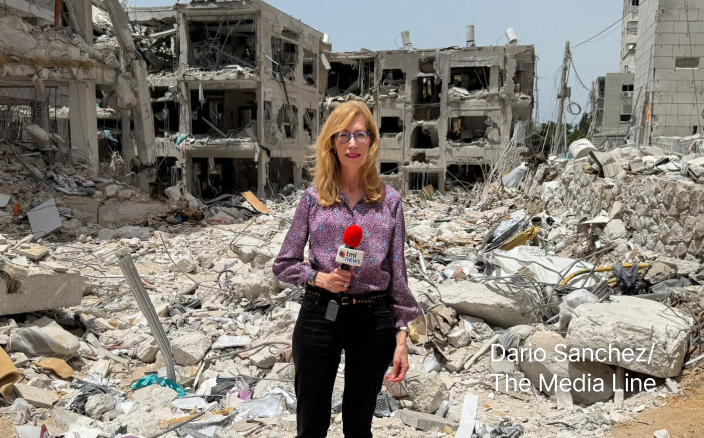
The conflict has devastated the transport sector as well. Transport Minister Abu Bakr Abu Al-Qasim Abdalla said the damage includes “railways, train carriages, transport routes, and Khartoum International Airport.” Roads connecting states are impassable, halting trade and daily movement.
Sudan’s national carrier, Tarco Aviation, has reportedly lost $100 million. Three aircraft were destroyed and three others were damaged, according to the airline. Meanwhile, roughly 70% of long-distance bus companies have shut down due to rising costs and a lack of spare parts. Ticket prices have more than doubled.
Since April 2023, the war between SAF and RSF has killed tens of thousands and displaced millions, creating one of the world’s worst humanitarian emergencies.