In a smart, human-centered report, Maayan Hoffman spotlights Planetherapy [1]—a sprawling volunteer network offering free mental health care to Israelis and Jews after Oct. 7—and the quiet surge in need as the war cools. Clinical psychologist Igor Teplitchi tells The Media Line, “Once there is not so much action, what’s deep inside might come up,” warning that anxiety and trauma can surface when soldiers return and daily life resumes. Founded by Ilana O’Malley a week into the 2023 war, Planetherapy now counts 300+ volunteers across 35 countries speaking 22 languages and has delivered more than 4,000 no-cost sessions, with capacity for up to 2,400 per month.
A Taglit-funded cohort of therapists is in Israel meeting first responders, Nova festival survivors, and ZAKA volunteers; they are also debriefing Israel-based clinicians who’ve carried the load for two years. “Now is when things start to come up,” says Canada’s Dr. Shari Geller, describing a moment when “the dreams come” and unprocessed memories break the surface. Access remains tricky—not because Israeli care lacks quality, but because bureaucracy and sheer demand stretch the system, while local therapists face burnout and vicarious trauma.
Give the gift of hope
We practice what we preach:
accurate, fearless journalism. But we can't do it alone.
- On the ground in Gaza, Syria, Israel, Egypt, Pakistan, and more
- Our program trained more than 100 journalists
- Calling out fake news and reporting real facts
- On the ground in Gaza, Syria, Israel, Egypt, Pakistan, and more
- Our program trained more than 100 journalists
- Calling out fake news and reporting real facts
Join us.
Support The Media Line. Save democracy.
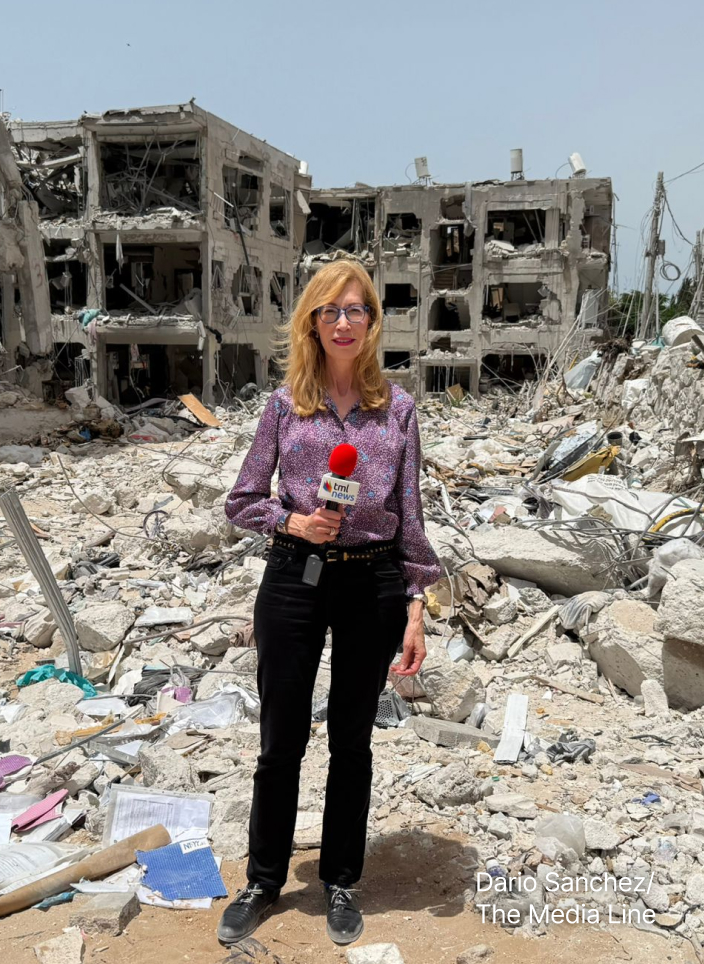
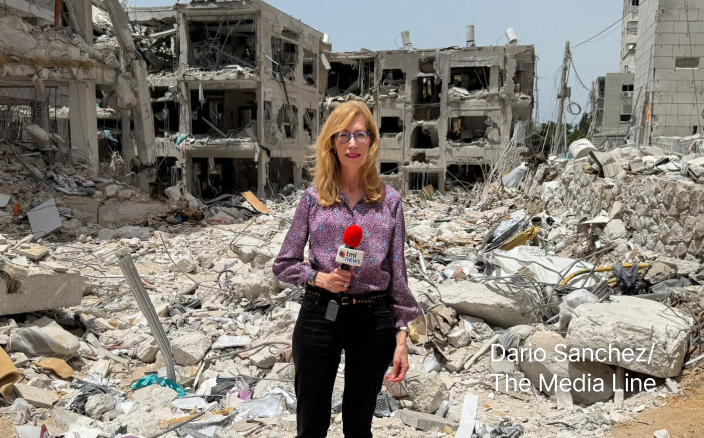
Planetherapy’s on-ramp is intentionally simple. “We don’t ask you; you don’t have to fill out a form to prove you have PTSD,” O’Malley says. “You choose a therapist and get started.” Volunteer Jill Dykstra calls the experience empowering: users can “shop” profiles by modality—from psychotherapy to breath work—to find the right fit. Early estimates suggest as many as 3 million Israelis could experience some form of PTSD, though a comprehensive postwar assessment is still pending.
For an on-the-ground view of the work, the numbers, and the people behind them—and to hear why Geller’s core message is, “You are not alone… Reach out”—read the full piece by Maayan Hoffman [1].