Taylor Thomas reports [1] from Tripoli on a crisis that isn’t sudden at all—it’s just finally collapsing in public. In Lebanon’s second-largest city, residents have long warned that chronic state neglect, unrepaired civil war damage, and failing infrastructure have turned everyday life into a game of chance played inside cracked stairwells and sagging walls. This winter, at least six buildings have collapsed, killing residents and wiping out homes in seconds.
The deadliest incident in the article came last Sunday, when two adjacent buildings crumbled, killing at least 14 people, including children. Eight people, including a child, were pulled out alive. Two weeks earlier, residents had warned local authorities about the danger of structural failure, a detail that hangs over the tragedy like dust that never quite settles.
Give the gift of hope
We practice what we preach:
accurate, fearless journalism. But we can't do it alone.
- On the ground in Gaza, Syria, Israel, Egypt, Pakistan, and more
- Our program trained more than 100 journalists
- Calling out fake news and reporting real facts
- On the ground in Gaza, Syria, Israel, Egypt, Pakistan, and more
- Our program trained more than 100 journalists
- Calling out fake news and reporting real facts
Join us.
Support The Media Line. Save democracy.
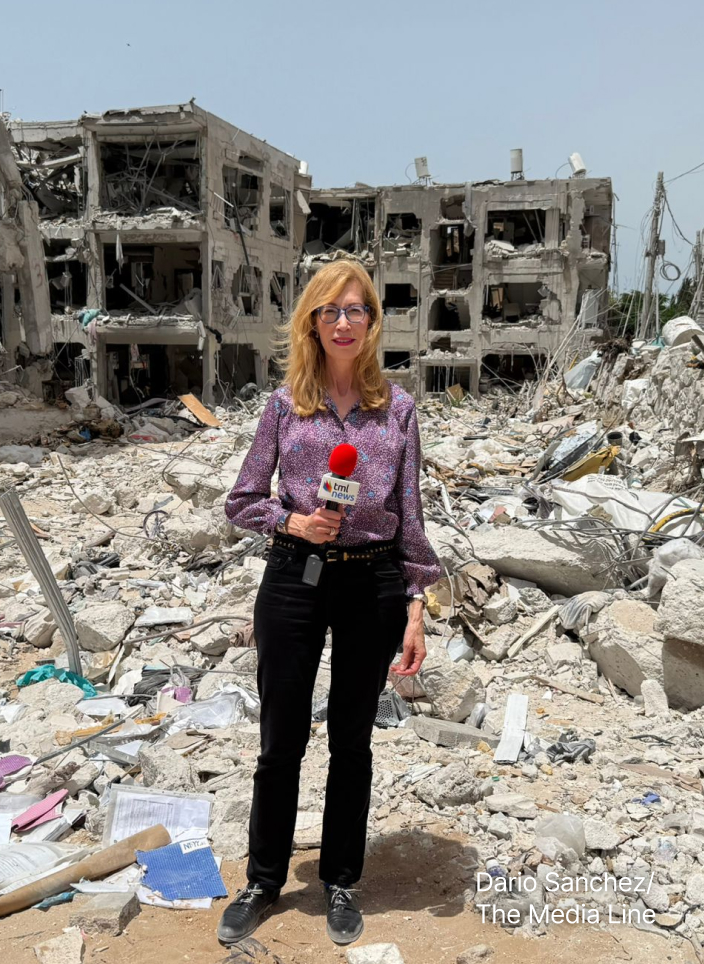
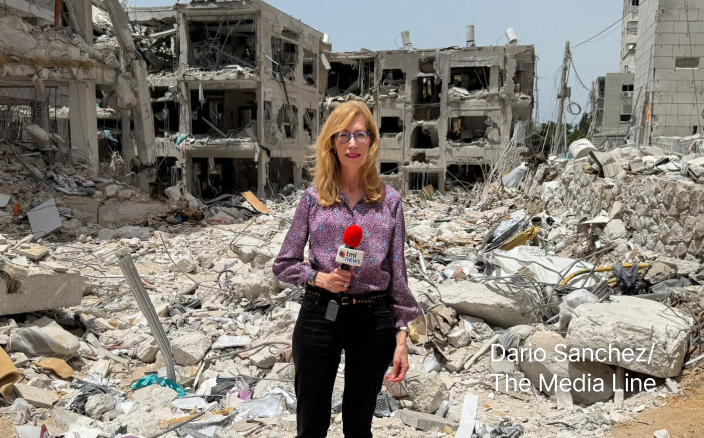
Prime Minister Nawaf Salam said the government is prepared to provide temporary housing for evacuees and allocate funds to reinforce unsafe structures, echoing cabinet decisions from two weeks earlier. He also urged politicians in Tripoli and elsewhere not to exploit the disaster for “cheap and immediate political gains,” while stressing that identifying at-risk buildings and assessing danger levels is a local responsibility.
Locals interviewed describe a deeper rot. Activist Marie Istambouli argues the authorities are structurally unable—or unwilling—to respond, pointing to corruption and political incentives. Social worker Karim Safadi frames Tripoli’s hardship in blunt socioeconomic terms: high unemployment, a large non-Lebanese community including Syrians and Palestinians, and a city left behind after the 1975–1990 civil war, when Beirut saw reconstruction and Tripoli largely did not. The result is a city that can host enormous wealth—billionaire and former prime minister Najib Mikati is cited—while remaining among the Mediterranean’s poorest.
The scale of risk is disputed but alarming either way. A 2024 municipal survey found about 105 still-inhabited buildings at immediate risk of collapse, while the head of the Lebanese League of Buildings, Andira Zouhairi, has put the number of endangered buildings at 4,000. The 2023 Turkey-Syria earthquake, felt strongly in Lebanon, further weakened already fragile structures, yet many residents remain in condemned buildings because they have nowhere else to go.
Speaker of Parliament Nabih Berri called restoration and reinforcement a national priority, and street protests followed the latest collapse. Thomas’ reporting makes the case that Tripoli’s emergency is also Lebanon’s warning label—read the full piece [1] for the voices, the numbers, and the politics behind the rubble.