Gaza’s new power struggle is hiding in plain sight—and Waseem Abu Mahadi takes you inside [1] it. In Khan Yunis, Hussam al-Astal says he’s building a “Counter-Terrorism Strike Force” to police neighborhoods and funnel aid, while Hamas moves to reassert dominance through raids, executions of alleged collaborators, and a sweeping “amnesty” that critics call a threat. The result, analysts tell The Media Line, is a fragile calm undercut by competing chains of command, contested legitimacy, and a ceasefire whose enforcement is murky at best. President Donald Trump’s 20-point framework envisions a foreign-supervised transition and disarmament; Hamas leaders signal a multi-year truce but refuse to hand over weapons. Fatah warns against a unilateral Hamas rule, as regional experts sketch a possible Arab-led stabilization force.
Give the gift of hope
We practice what we preach:
accurate, fearless journalism. But we can't do it alone.
- On the ground in Gaza, Syria, Israel, Egypt, Pakistan, and more
- Our program trained more than 100 journalists
- Calling out fake news and reporting real facts
- On the ground in Gaza, Syria, Israel, Egypt, Pakistan, and more
- Our program trained more than 100 journalists
- Calling out fake news and reporting real facts
Join us.
Support The Media Line. Save democracy.
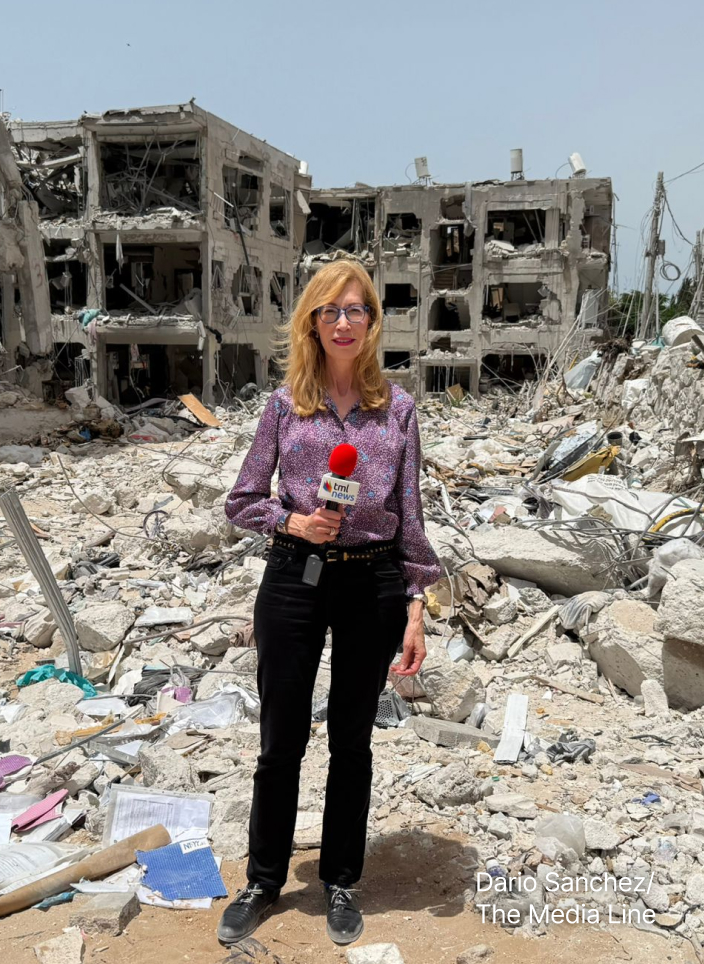
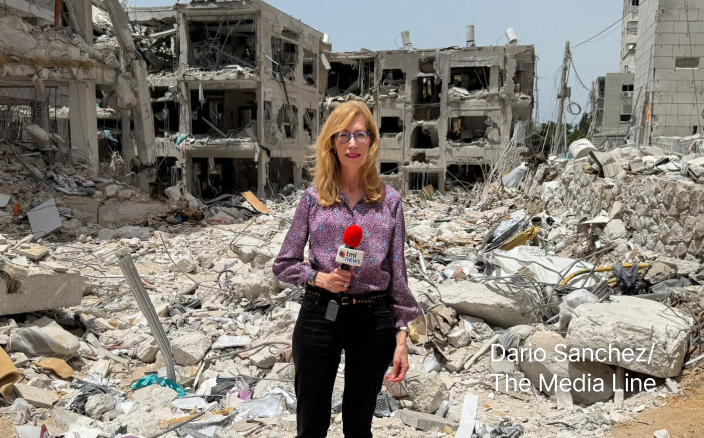
Public voices in the piece pull no punches. “Hamas carried out public executions of alleged collaborators in Gaza City,” says Dr. Ali Abu Alawar, arguing the group is projecting control. From the other side of the ledger, al-Astal insists, “We are working for a new Gaza,” and claims unnamed countries have offered support. President Trump, speaking first on Air Force One and then on Truth Social, backed a temporary Hamas policing role but warned, “If Hamas continues to kill people in Gaza, which was not the deal, we will have no choice but to go in and kill them.” Political researcher Mansour Abo Kareem reads the landscape as a slide “toward civil war.”
What comes next—integration of technocratic leaders, an Arab stabilization mission, or renewed war—hinges on disarmament, governance, and whether local actors trade fire or authority. Read the full article [1]—and watch al-Astal describe his struggle against Hamas [3]—to see how competing narratives collide on the ground, and how the ceasefire could still break apart. Abu Mahadi maps the fault lines with clarity and access.