Over the past weekend, various factions opposing the Islamic Republic demonstrated their presence and influence through a series of gatherings outside Iran.
Some Iranian opposition groups convened at events abroad to continue their activities against the regime ruling Iran. However, other opposition figures accused these gatherings of being influenced by Israel or pro-Israel lobbying networks.
 [1]
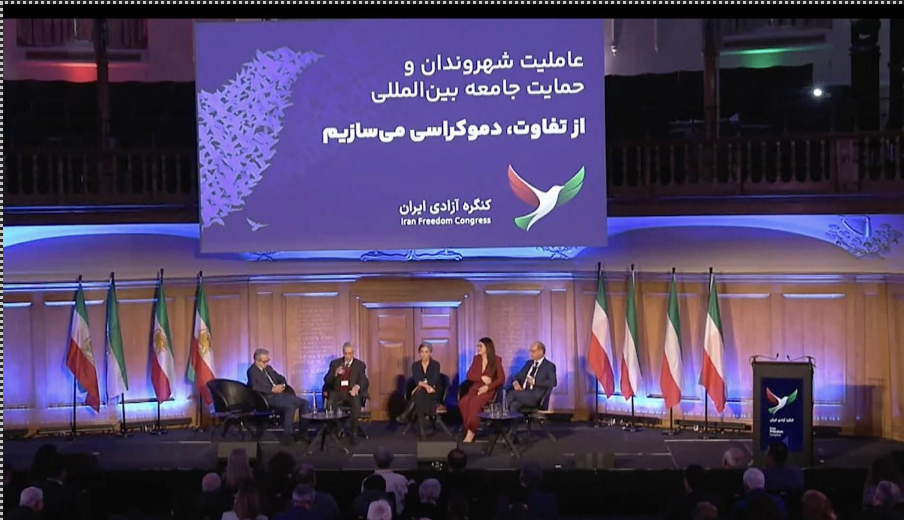
[1]The Iran Freedom Congress, the political hub of the Iranian diaspora, was held in London to bring together a new front of opposition forces under a republican banner. (Screenshot: IFC live video)
As the war intensifies and the possibility of a ground confrontation between the United States and the Islamic Republic looms, expectations are also growing that protesters inside Iran may once again challenge the regime’s security grip in the coming weeks. Against this backdrop, political activity among the diaspora has accelerated.
On Saturday and Sunday, republicans gathered in London—widely considered a political hub for the Iranian diaspora—while monarchist supporters attended the Conservative Political Action Conference (CPAC) in Gaylord, Texas, and later rallied outside the White House. Leftist groups organized separate gatherings in various cities. Meanwhile, segments of the Iranian left opposed to military action against Iran participated in large global No Kings demonstrations rejecting both monarchy and war. Supporters of the Mojahedin-e Khalq (MEK) also staged protests in multiple cities, including London.
At the same time, some media outlets have published reports alleging the influence of Israel, affiliated institutions, and Jewish lobbying groups within these political mobilizations—claims that have deepened divisions among Iran’s already fragmented opposition.
Related story: Iranian Opposition Pushes for Unity After Decades of Fragmentation [2]
Middle East Eye, a media outlet seen as close to the Islamic Regime, claimed that the pro-Israel lobby AIPAC in the United States was linked to the “Iran Freedom Congress,” which brought together republicans in London. However, this alleged connection appears to be indirect, involving individuals who previously worked in AIPAC’s public relations department.
Majid Zamani, executive director of the Iran Freedom Congress, denied that any foreign governments or institutions were involved in organizing the event. Nonetheless, some opposition figures have called for greater transparency regarding the congress’ funding.
Zamani reiterated during the gathering that the event was financed by Iranian entrepreneurs and dismissed as fabrication reports by pro-regime media.
Give the gift of hope
We practice what we preach:
accurate, fearless journalism. But we can't do it alone.
- On the ground in Gaza, Syria, Israel, Egypt, Pakistan, and more
- Our program trained more than 100 journalists
- Calling out fake news and reporting real facts
- On the ground in Gaza, Syria, Israel, Egypt, Pakistan, and more
- Our program trained more than 100 journalists
- Calling out fake news and reporting real facts
Join us.
Support The Media Line. Save democracy.
This congress has been described by republicans as an effort to challenge the monolithic discourse and the dominance of monarchist supporters within the opposition’s political space—particularly on the widely watched Iran International news network.
Over the past year, the network has undergone a complete shift, becoming a mouthpiece for exiled Crown Prince Reza Pahlavi and reportedly maintaining very close ties to Israel.
The congress also brought together many independent opponents of the Islamic Republic who are likewise opposed to the monarchy and to Pahlavi.
 [4]
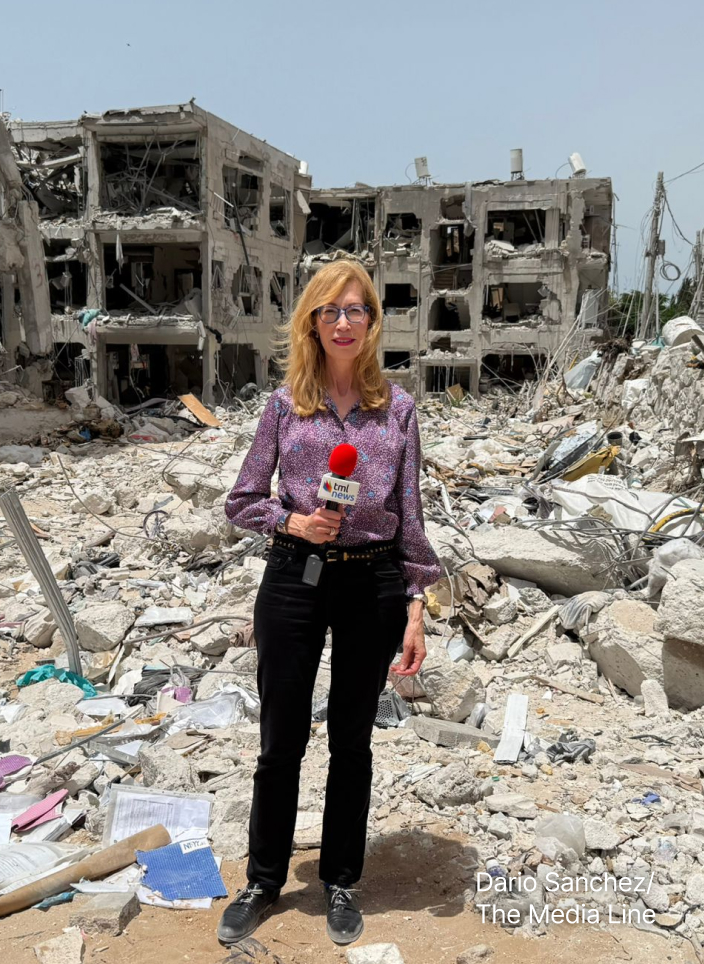
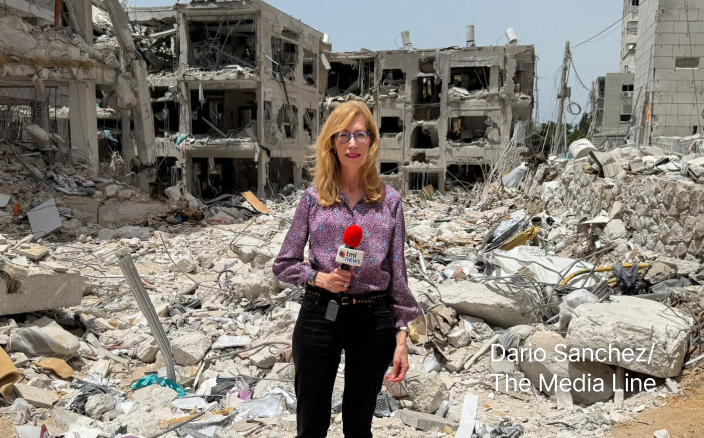
[4]Azamat Azhdari, a human rights activist in London, states that the Congress of Freedom is an opportunity to bring together opponents with diverse viewpoints to overthrow the Islamic Republic and outline a clear vision for the post-transition era. (The Media Line)
Azamat Azhdari, a human rights activist and member of the Association of Families of Flight PS752 Victims, who spoke at the congress, told The Media Line: “Amplifying the voice of justice-seeking is extremely important. Individuals and groups with diverse perspectives participated in this congress.”
She added, “Various parties, groups, and organizations attended to represent the diversity of views within Iran and to collectively seek a path beyond the Islamic Republic.”
Azhdari, who lost her sister when the Ukrainian passenger plane was deliberately shot down on January 8, 2020, by the Islamic Revolutionary Guard Corps over Tehran, expressed hope that unity among progressive opposition forces could pave the way for a brighter future and ultimately the collapse of the Islamic Republic.
 [5]
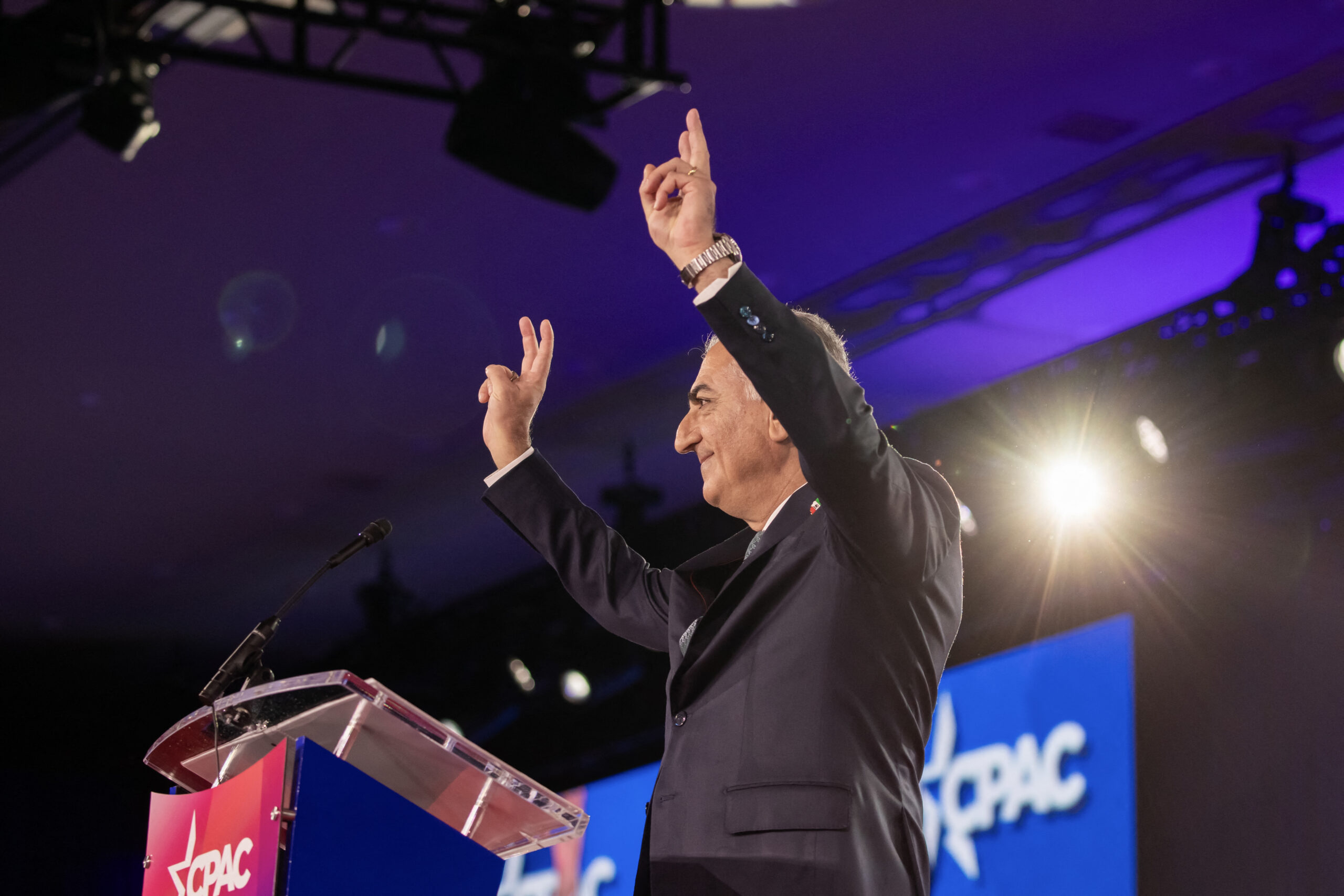
[5]In his speech at CPAC, Reza Pahlavi called on PresidentTrump to continue military operations against the Iranian regime in Grapevine, Texas, on March 28, 2026. His supporters gathered in front of the White House on Sunday. (Leandro Lozada / AFP via Getty Images)
Meanwhile, Pahlavi, speaking at CPAC, told an audience that included supporters chanting “Long live the Shah,” (Javid Shah): “Can you imagine Iran moving from ‘Death to America’ to ‘Good Bless America’?” He promised that, if he were to come to power, an economic partnership between Iran and the United States could generate more than $1 trillion in benefits for the US over the next decade.
Pahlavi also reiterated claims that elements within the Islamic Republic’s military support him and that many former political rivals have now accepted his leadership.
He urged the United States to continue its pressure military campaign against the Islamic Republic, adding: “President Trump is making America great again, and I intend to make Iran great again.”
In recent years, Pahlavi has developed notably close ties with the Netanyahu government, with some of his advisors and close figures frequently travelling to Israel or residing there. Similarly, several of his prominent supporters in London have been regularly invited to Israel and are reportedly backed by certain Israeli figures—an issue that has drawn increased attention, particularly given the concentration of both Iranian and Jewish communities in North London.
London hosts a large Iranian community estimated at around 50,000 people, which may rise to nearly 85,000 or even 100,000 when second and third-generation Iranians and asylum seekers are included. As such, the diaspora living in London represents a significant force in shaping opposition politics abroad.
In recent days, some opposition figures have alleged harassment and intimidation by monarchist supporters in this city. A group of activists has submitted a petition to the UK Home Office calling for intervention. Some of these incidents have even been reported in British media outlets, including The Guardian.
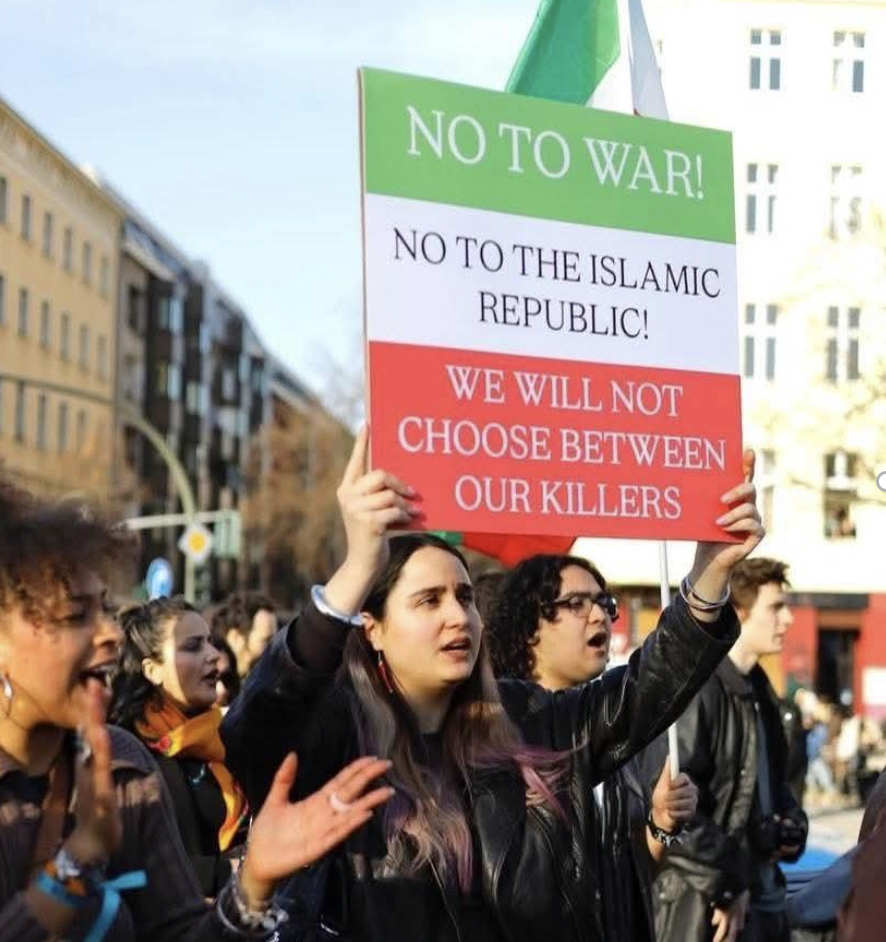 [8]
[8]Iranian feminist and leftist women have adopted the slogan “No to war, No to the Islamic Republic.” A number of Iranian leftists, carrying similar slogans, also took part in global demonstrations against the far right on Saturday. (Social media)
Supporters of the MEK, along with Kurdish groups and leftist activists, have been among the primary targets of such confrontations in London. In previous years, there was even a suspicious arson attack on the MEK office in North London.
More recently, clashes have occurred between supporters of Pahlavi and Kurdish groups, as well as other opposition factions—developments that have been highlighted by media aligned with the Islamic Republic ruling Iran, which typically relish divisions and infighting among opposition groups.
Despite these tensions, two increasingly distinct fronts appear to be emerging against the Islamic Republic. One, led by Pahlavi, advocates for his rise to power and the restoration of the monarchy, focusing on building alliances with prominent figures while relying on right-leaning US networks and support from Israel. The other consists of republican groups that are gradually bringing together nationalist and leftist forces and may be able to present themselves to the United States, Israel, and especially European actors as a credible and progressive alternative.
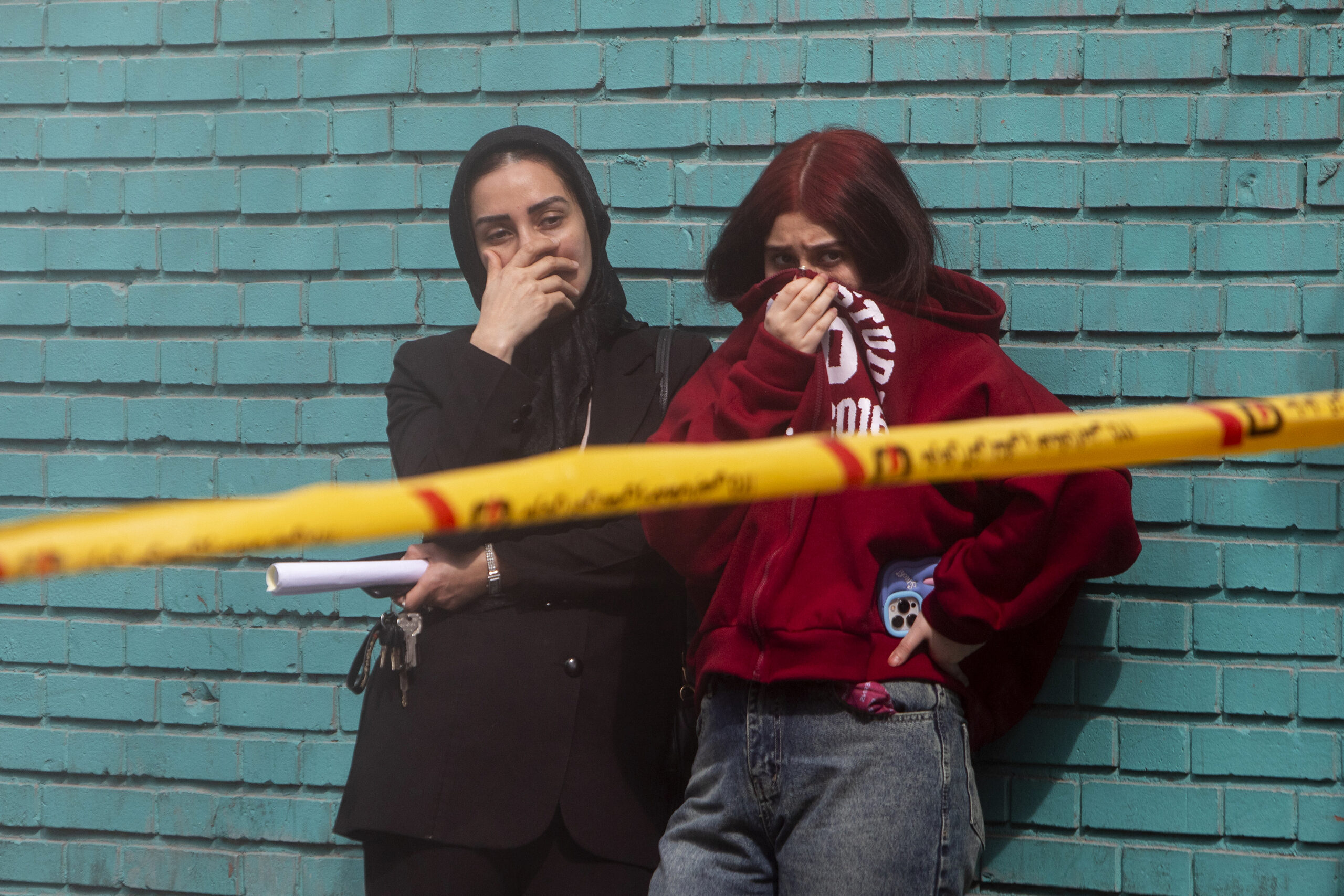 [9]
[9]As civilian casualties rise, Iranians inside the country are concerned about the escalation of the war. A protester from Tehran told The Media Line that the unity of the opposition could bolster the strength and unified action of protesters within Iran. (Photo by Majid Saeedi/Getty Images)
Fariba, a political activist in Tehran, told The Media Line—while the capital was under heavy Israeli airstrikes—that the existence of a united alternative with a clear program, alongside a democratic transitional council, could offer a viable vision for a post–Islamic Republic future.
She added that such a framework could unify protest movements, rather than divide them, by incorporating key demands raised during the “Woman, Life, Freedom” uprising, including economic justice, regional autonomy, women’s leadership, rejection of authoritarian rule, democratic freedoms, and national independence “free from foreign intervention.”