Iranian citizens went to the polls on Friday to participate in a runoff presidential election, marking a critical moment for the nation’s clerical leadership against a backdrop of widespread voter apathy, escalating regional tensions, and an ongoing standoff with Western nations over Tehran’s nuclear ambitions.
State television reported that the polls opened at 8:00 AM local time and will close at 6:00 PM, although extensions until midnight are common. The election follows an initial round on June 28 that recorded historically low voter turnout, with over 60% of eligible voters abstaining, signaling a potent disenchantment with the governing clerics.
Give the gift of hope
We practice what we preach:
accurate, fearless journalism. But we can't do it alone.
- On the ground in Gaza, Syria, Israel, Egypt, Pakistan, and more
- Our program trained more than 100 journalists
- Calling out fake news and reporting real facts
- On the ground in Gaza, Syria, Israel, Egypt, Pakistan, and more
- Our program trained more than 100 journalists
- Calling out fake news and reporting real facts
Join us.
Support The Media Line. Save democracy.
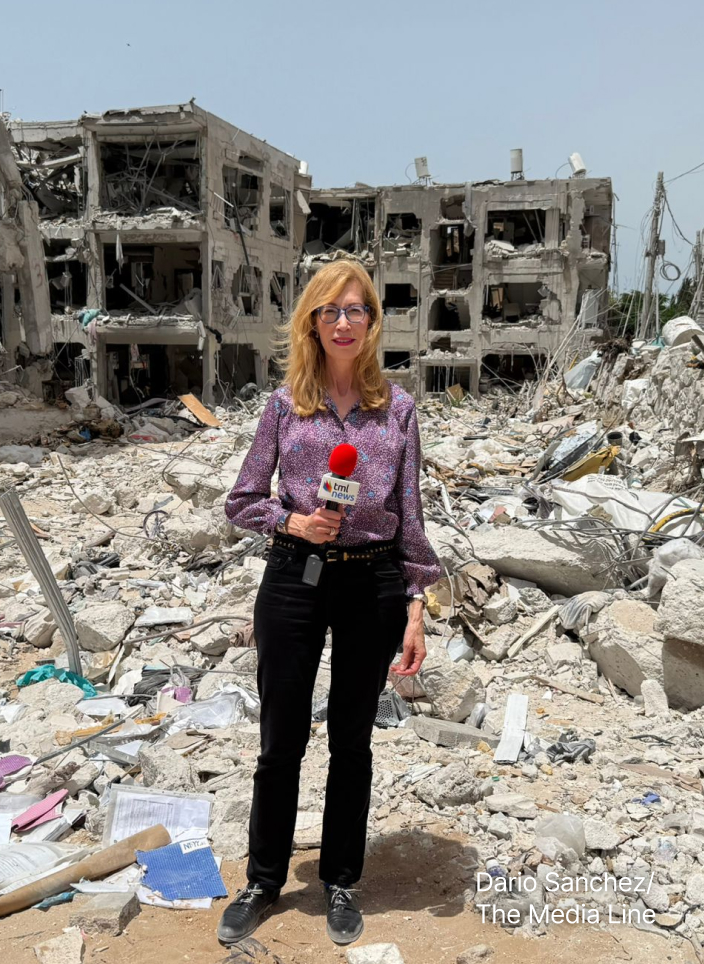
The runoff pits Masoud Pezeshkian, a relatively moderate figure and the only such candidate from the initial pool of four, against the hardliner Saeed Jalili, a former nuclear negotiator. Despite the high stakes, the election is not expected to drastically alter the Islamic Republic’s overarching policies, as the supreme leader, Ayatollah Ali Khamenei, maintains control over major state matters. However, the elected president will influence the selection of Khamenei’s successor and shape the tone of Iran’s domestic and foreign policies.