Rizik Alabi reports [1] that after more than a decade of war, Syria’s hunt for cash, expertise, and workable partners has turned reconstruction into something bigger than bulldozers and cement: a geopolitical marketplace. China, long a diplomatic backer of Damascus at the UN Security Council, is now repositioning for the next phase—less about defending the previous regime, more about locking in economic upside while protecting strategic interests.
The centerpiece is not a shiny new embassy compound in Damascus, but China’s economic office in Beirut. Analysts describe it as a practical workaround: a logistics-and-management hub that lets Beijing coordinate transportation, energy, housing, and infrastructure projects while limiting exposure to Syria’s security risks and to sanctions pressure. With rebuilding estimates exceeding $216 billion, the prize is enormous—and Chinese firms have the scale and experience to chase long-term contracts.
Give the gift of hope
We practice what we preach:
accurate, fearless journalism. But we can't do it alone.
- On the ground in Gaza, Syria, Israel, Egypt, Pakistan, and more
- Our program trained more than 100 journalists
- Calling out fake news and reporting real facts
- On the ground in Gaza, Syria, Israel, Egypt, Pakistan, and more
- Our program trained more than 100 journalists
- Calling out fake news and reporting real facts
Join us.
Support The Media Line. Save democracy.
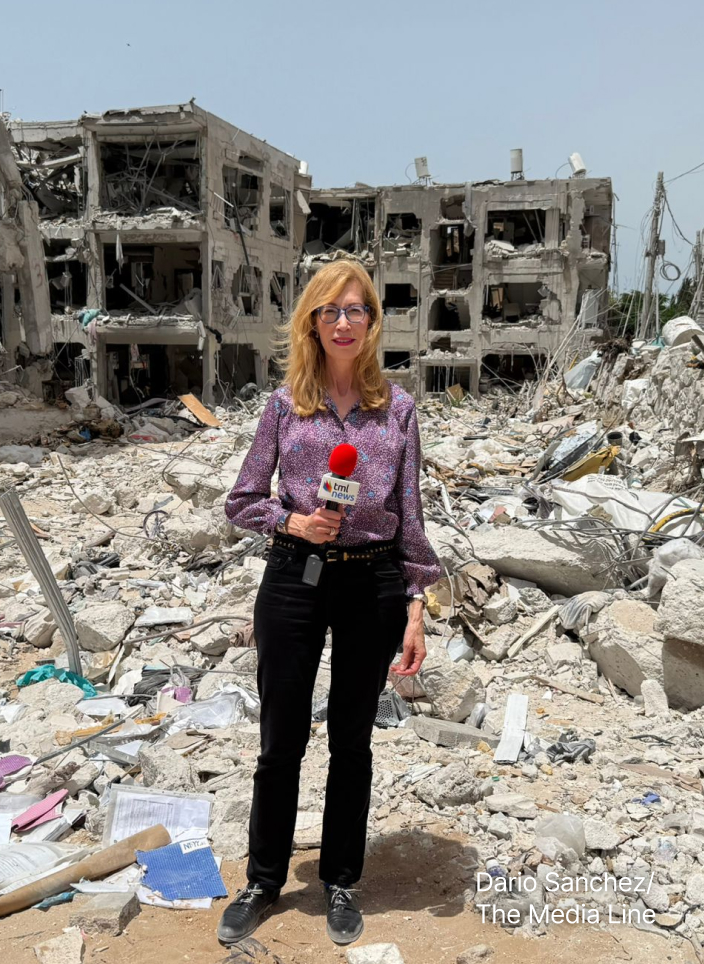
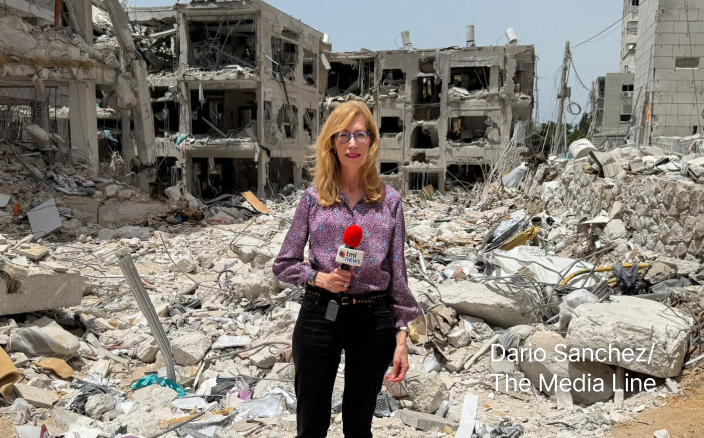
But the pitch comes with fine print. Lebanese economist Dr. Omar Salloum argues China offers “tangible solutions” that appeal to governments eager to reengage Damascus without picking public fights. Critics warn that opaque deals and decades-long contracts can breed dependency, tilt control of critical infrastructure, and invite corruption that leaves ordinary Syrians watching the profits drive away.
Washington, the piece notes, views expanding Chinese influence as a strategic problem that could erode isolation policies and dilute US leverage across the region. Damascus, for its part, is trying to diversify—courting China, Gulf states, and even select Western channels—while insisting it can keep sovereign decision-making intact.
For the full set of voices, risks, and stakes in this high-stakes rebuilding scramble, read Alabi’s complete report [1].