Egypt and Saudi Arabia presented a united front this weekend, with their top diplomats calling for calm and diplomacy as violence in Gaza and Sudan threatens to drag the region deeper into crisis. During a Saturday phone call, Egyptian Foreign Minister Badr Abdelatty and Saudi Foreign Minister Faisal bin Farhan Al Saud stressed what Cairo described as the need to pursue talks rather than force.
Both sides emphasized “prioritizing political and negotiated solutions, while rejecting the logic of escalation and the use of force,” according to Egypt’s Foreign Ministry.
Give the gift of hope
We practice what we preach:
accurate, fearless journalism. But we can't do it alone.
- On the ground in Gaza, Syria, Israel, Egypt, Pakistan, and more
- Our program trained more than 100 journalists
- Calling out fake news and reporting real facts
- On the ground in Gaza, Syria, Israel, Egypt, Pakistan, and more
- Our program trained more than 100 journalists
- Calling out fake news and reporting real facts
Join us.
Support The Media Line. Save democracy.
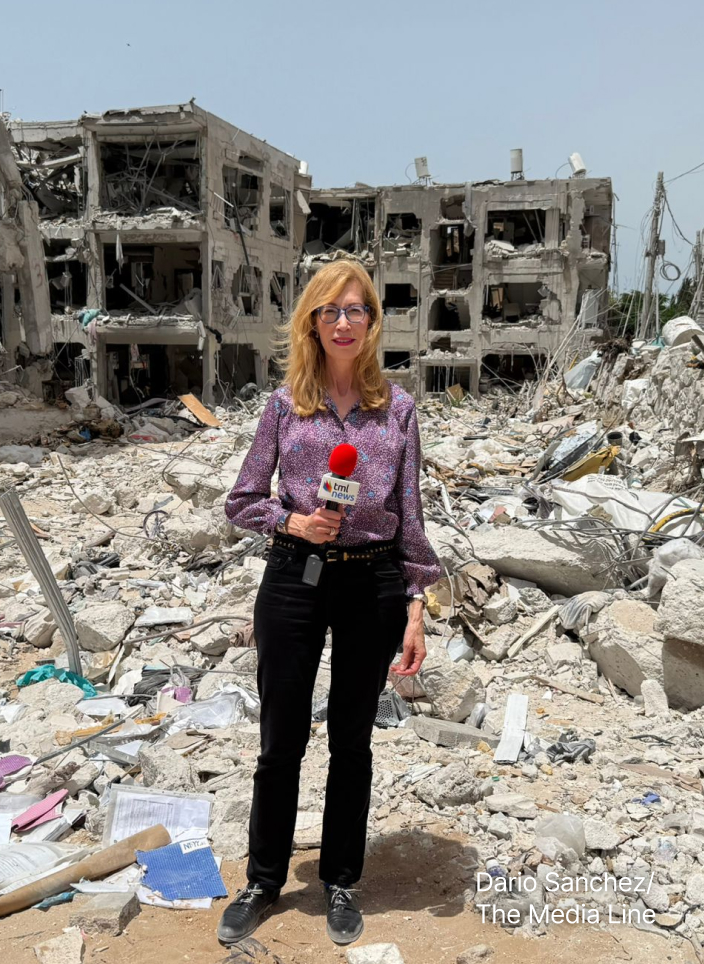
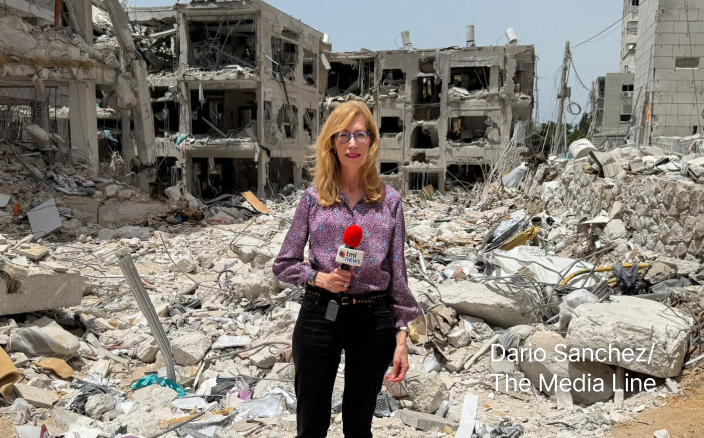
The conversation focused heavily on the fragile ceasefire process in Gaza. The ministers discussed moving forward with the next phase of the US-backed framework and warned about what they called ongoing Israeli violations in both Gaza and the West Bank, which they said risk undermining any progress toward stability.
The humanitarian toll remains stark. Gaza health authorities report that more than 71,000 Palestinians have been killed and over 171,000 wounded since fighting erupted in October 2023. A truce was eventually brokered through mediation by Egypt, Qatar, Turkey, and the United States, but it remains tenuous.
Sudan was the second major flashpoint. Fighting between the Sudanese army and the Rapid Support Forces has created one of the world’s worst humanitarian disasters, displacing millions and leaving cities shattered. Abdelatty and bin Farhan called for “a humanitarian truce as a prelude to a comprehensive ceasefire and the launch of an inclusive political process.”
They also urged the establishment of safe corridors for civilians, pointing to “massacres and grave atrocities” reported in El-Fasher.