Early in Maayan Hoffman’s report [1], you can almost hear the suitcase wheels rolling past the caution tape. As Israel braced for a possible war with Iran, many international visitors canceled trips. Two delegations did the opposite: they came on purpose, betting that showing up matters most when it’s uncomfortable.
One group, led by Bishop Robert Stearns of Eagles’ Wings, brought more than 115 Christian women leaders to Israel on Feb. 26. Stearns framed the visit as a public statement of support for Israel and the Jewish people, describing an effort to build a “spiritual Iron Dome” of prayer. The delegation—pastors, faith leaders, public figures, academics, CEOs, and others—became stranded at a hotel in the Galilee as the threat level rose and travel plans grew uncertain.
Give the gift of hope
We practice what we preach:
accurate, fearless journalism. But we can't do it alone.
- On the ground in Gaza, Syria, Israel, Egypt, Pakistan, and more
- Our program trained more than 100 journalists
- Calling out fake news and reporting real facts
- On the ground in Gaza, Syria, Israel, Egypt, Pakistan, and more
- Our program trained more than 100 journalists
- Calling out fake news and reporting real facts
Join us.
Support The Media Line. Save democracy.
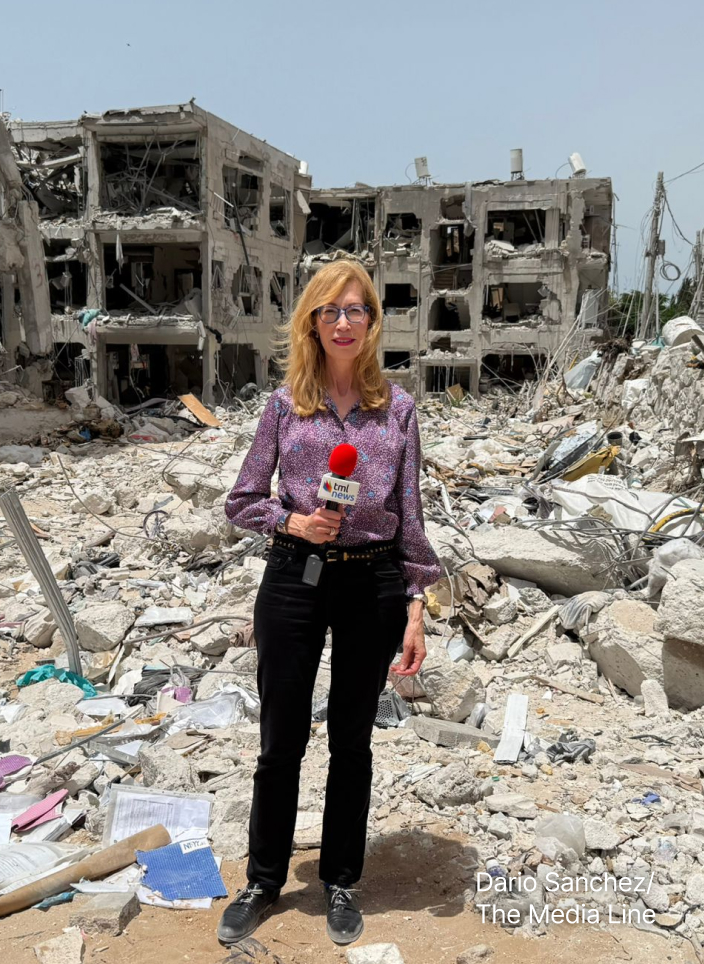
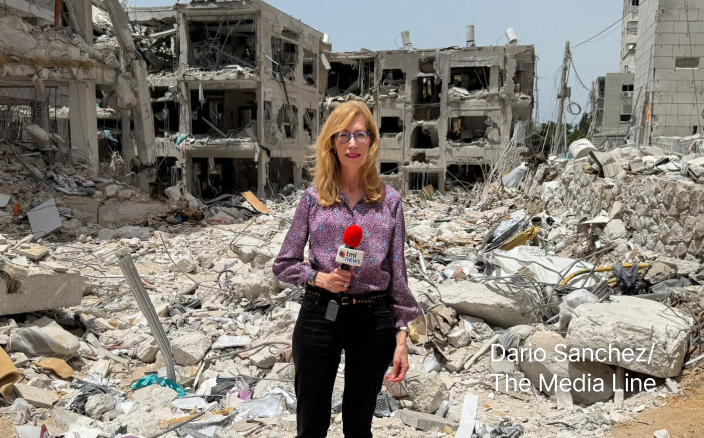
The timing wasn’t accidental. Trip director Sue TenEyck said the group moved the mission from April to Purim, drawing a line from the Book of Esther to modern anxieties about Iran. The message: stand with Israel “for such a time as this,” pray, and make solidarity visible.
Pastor Leisa Nelson added another motive: bring leaders to see what’s happening on the ground and take that account back to their communities. As the situation tightened, she said the women adapted by praying at the hotel, including a marathon group prayer session on Saturday. A few mothers felt nervous, she said, but the group also had trauma counselors on hand, and most participants were coping well.
A second mission, the 3rd Annual Brotherhood Mission to Israel, arrived with a blunt rule, according to co-chair Michael Segal: if El Al was still flying, they were coming. The group’s goal is to raise several million dollars for JNF-USA projects and visit those sites. Only one participant backed out. Once rockets began falling, Segal said the men stayed calm, joked about being stuck, and treated it as a known risk.
Hoffman’s story captures a familiar wartime paradox: flights can vanish, schedules can collapse, but some people still insist on keeping their promises in person. Read the full report [1] for the voices, the Purim framing, and the on-the-ground texture of what “solidarity” looks like when it’s no longer theoretical.