At The Media Line, we believe there is no substitute for on-the-ground reporting, especially in wartime, when truth is harder to reach, easier to distort, and far more dangerous to gather.
Today’s Mideast Daily News is a powerful example of why that work matters.
Felice Friedson and Gabriel Colodro took readers inside Israel’s emergency response system as Magen David Adom medics ran toward missile strike zones while others rushed for shelter. Their reporting showed not just the damage of war, but the courage, preparation, and human grit required to save lives under fire.
Give the gift of hope
We practice what we preach:
accurate, fearless journalism. But we can't do it alone.
- On the ground in Gaza, Syria, Israel, Egypt, Pakistan, and more
- Our program trained more than 100 journalists
- Calling out fake news and reporting real facts
- On the ground in Gaza, Syria, Israel, Egypt, Pakistan, and more
- Our program trained more than 100 journalists
- Calling out fake news and reporting real facts
Join us.
Support The Media Line. Save democracy.
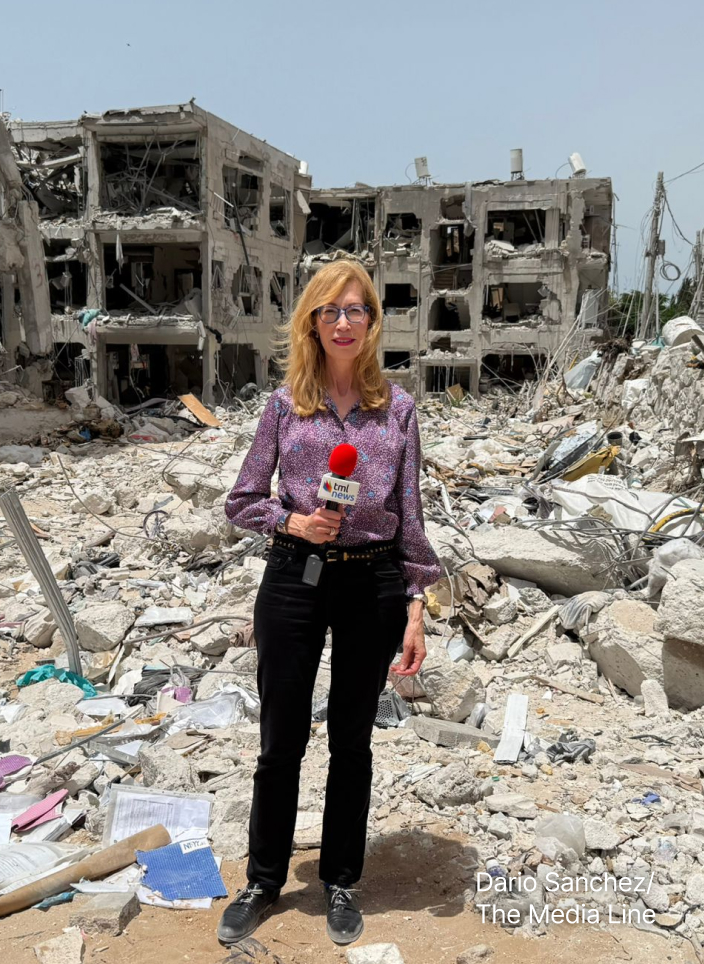
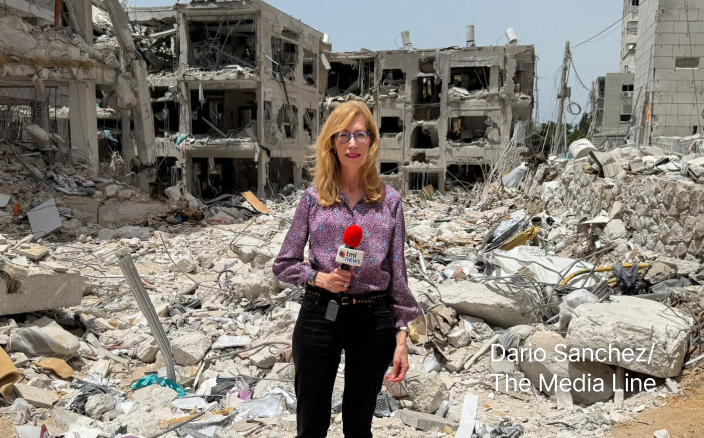
Omid Habibinia brought readers into Tehran’s tense and fearful streets, reporting on what appears to be growing panic among Basij and Islamic Revolutionary Guard Corps personnel as Israeli strikes hit checkpoints and spread uncertainty through the regime’s own ranks. Reporting a story like that is not easy. It requires sources, trust, timing, and the willingness to pursue facts in an environment shaped by fear, censorship, and danger.
Maayan Hoffman reported from the aftermath of the deadly Beit Shemesh strike, telling the story not through abstractions, but through survivors, displaced families, shattered neighborhoods, and the painful reality of life in evacuation hotels. That kind of journalism gives war a human face. It reminds us that behind every headline are people carrying grief, trauma, and resilience into the next day.
This is what independent journalism looks like when it is done right. It means being there. It means asking hard questions. It means listening carefully in places where sirens are sounding, missiles are falling, and the stakes could not be higher.
That work is difficult. It is costly. And at times, it is dangerous.
If you value reporting that goes beyond commentary and brings readers directly into the story, please support The Media Line [1]. Your contribution helps us continue producing clear-eyed, fact-based journalism from the heart of the Middle East, even in the hardest moments.
Thank you for standing with us.