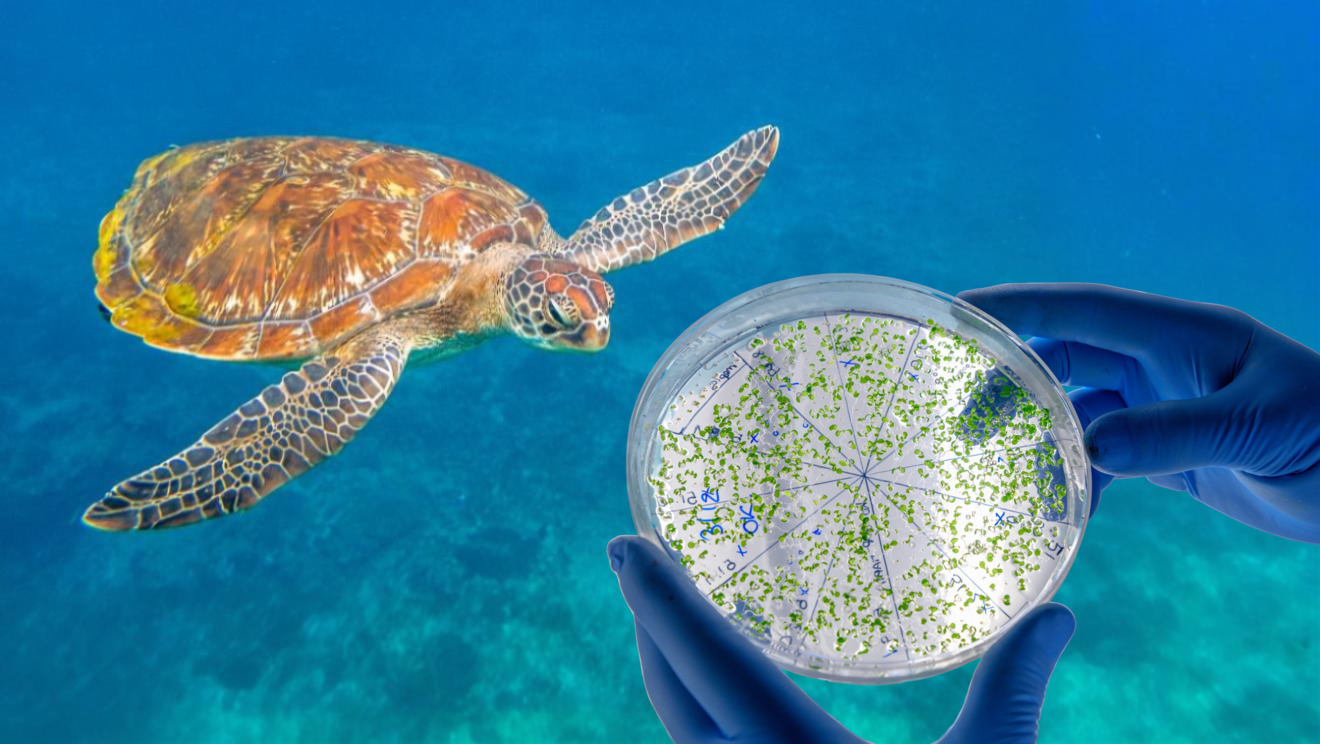
Superbugs in the Surf: Israeli Sea Turtles Are Swimming With Drug-Resistant Bacteria
A new study has found that three out of four bacteria collected from sea turtles off Israel’s Mediterranean coast are resistant to multiple antibiotics—a red flag not just for marine life, but for human health as well.
Researchers from the University of Haifa and the Israel Nature and Parks Authority analyzed samples from wounded green and brown turtles rescued along the shoreline. These turtles had been injured by fishing gear, plastic debris, and harsh winter storms, and were being treated at a rehabilitation center in the coastal village of Mikhmoret.
Give the gift of hope
We practice what we preach:
accurate, fearless journalism. But we can't do it alone.
- On the ground in Gaza, Syria, Israel, Egypt, Pakistan, and more
- Our program trained more than 100 journalists
- Calling out fake news and reporting real facts
- On the ground in Gaza, Syria, Israel, Egypt, Pakistan, and more
- Our program trained more than 100 journalists
- Calling out fake news and reporting real facts
Join us.
Support The Media Line. Save democracy.


What they discovered was unsettling: 93 different types of bacteria, many with resistance to commonly used antibiotics. About 95 % could withstand cefazolin, 50 % resisted ampicillin, and 45 % were unfazed by amoxicillin-clavulanate—all drugs frequently used to treat infections in people. Some of the bacteria identified can make both animals and humans sick.
The turtles, the researchers explained, act like ocean detectives. Because they live long lives, travel widely, and often return to polluted coastal areas, they’re exposed to—and absorb—a broad mix of human-made contaminants.
“This is a warning sign,” the researchers said, pointing to wastewater, agricultural runoff, and improperly disposed medications as likely culprits. These antibiotic-resistant strains don’t stay in turtles; they can spread through fish, shellfish, and even a splash in the sea.
The scientists are calling for urgent steps to monitor marine pollution and curb the misuse of antibiotics—before today’s turtle-borne superbugs become tomorrow’s public health crisis.

