Concerns Outweigh Euphoria as New Israeli Government Forms
Controversial lawmakers, troublesome legislative agenda on tap for Israel’s new government, headed by Binyamin Netanyahu
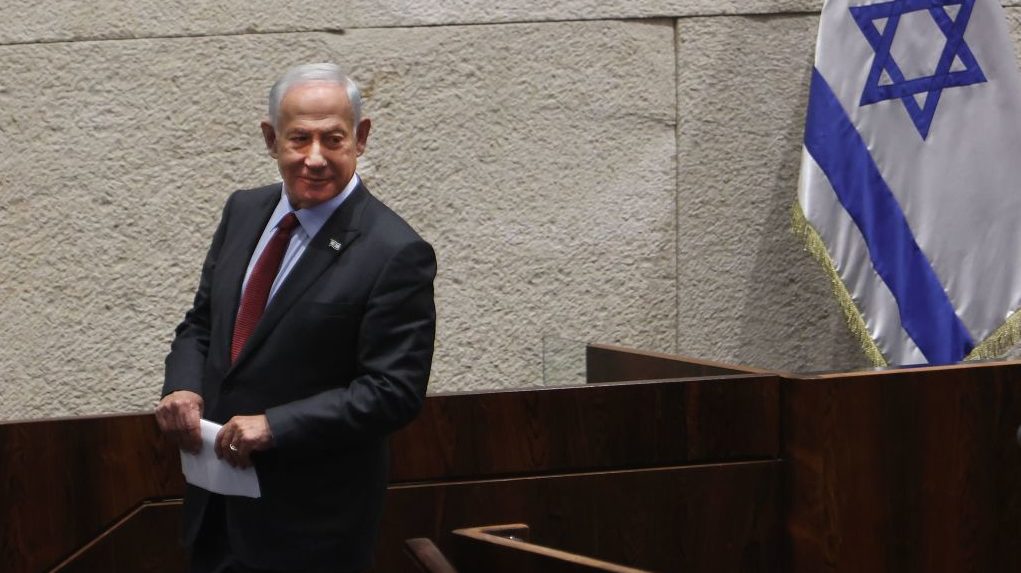
After weeks of coalition-building talks, Israel’s new government is set to be sworn in in a matter of days.
Prime Minister-designate Binyamin Netanyahu announced last week that he had managed to form a coalition, set to be Israel’s most right-wing government ever.
The announcement sets the stage for Netanyahu’s return to power after years of political stalemate, five rounds of elections in less than four years and a year as head of the opposition. While several coalition agreements have not yet been finalized, Netanyahu has until January 2 to swear in his new government.
Give the gift of hope
We practice what we preach:
accurate, fearless journalism. But we can't do it alone.
- On the ground in Gaza, Syria, Israel, Egypt, Pakistan, and more
- Our program trained more than 100 journalists
- Calling out fake news and reporting real facts
- On the ground in Gaza, Syria, Israel, Egypt, Pakistan, and more
- Our program trained more than 100 journalists
- Calling out fake news and reporting real facts
Join us.
Support The Media Line. Save democracy.

But many have expressed concern about some of the incoming prime minister’s new partners, most notably Itamar Ben-Gvir, the leader of the far-right Otzma Yehudit (Jewish Power) party, and Bezalel Smotrich, who heads the Religious Zionist party.
There also is concern about the legislative agenda of the incoming coalition. Bills that will be considered in this session would allow the Knesset to override Supreme Court decisions; amend the Law of Return to remove the grandchild clause that allows anyone with a Jewish grandparent to receive automatic citizenship; promote the annexation of wide swathes of the West Bank; fund ultra-Orthodox schools that do not teach core subjects; and repeal a ban on racists in the Knesset.
As Netanyahu works to lock in his coalition partners, senior members of his Likud party are now vying to fill the top positions in the ministries that remain after those that have been parceled out to the coalition partners. Among the ministries whose top jobs remain open are the Foreign Ministry, the Defense Ministry, the Justice Ministry, the Transportation Ministry, and the Education Ministry.
The national security minister job, which for the first time also will oversee the national police and Border Police in the West Bank, will go to Ben-Gvir; while finance minister and a position in the Defense Ministry overseeing civil policy in the West Bank will go to Smotrich. In addition, a newly created position in the Education Ministry overseeing external educational programs in the country’s schools will be overseen by Avi Maoz, the only lawmaker from the homophobic and fundamentalist Noam party.
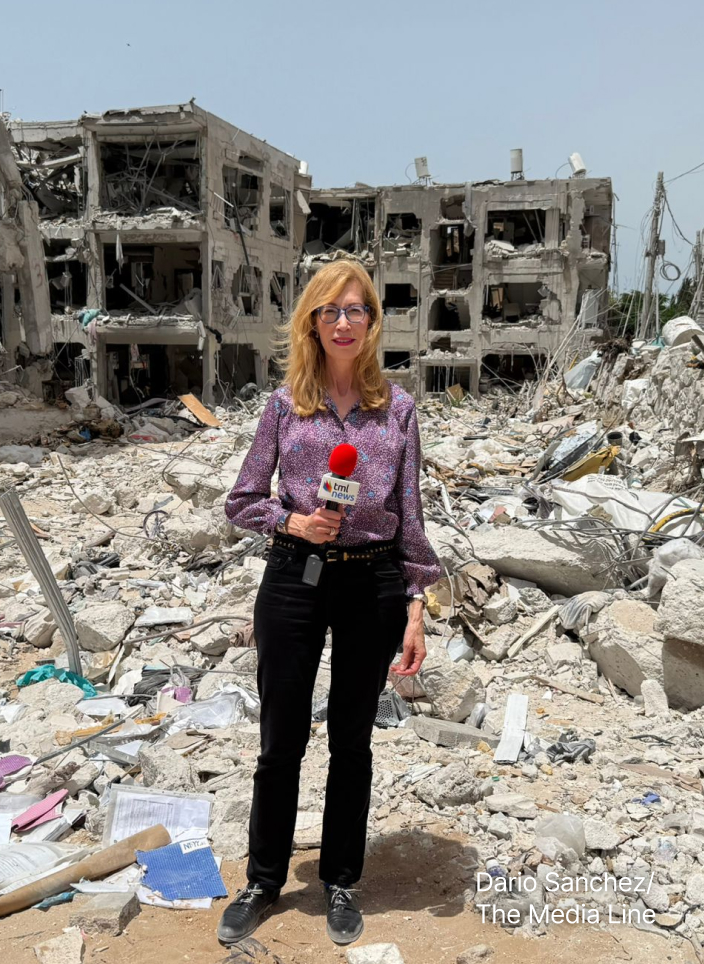
The Media Line took to the streets of Tel Aviv to find out what Israelis and tourists think about the incoming government.

