Did Iran’s Islamic Regime Hold Its Leadership Council Meeting in a Hospital?
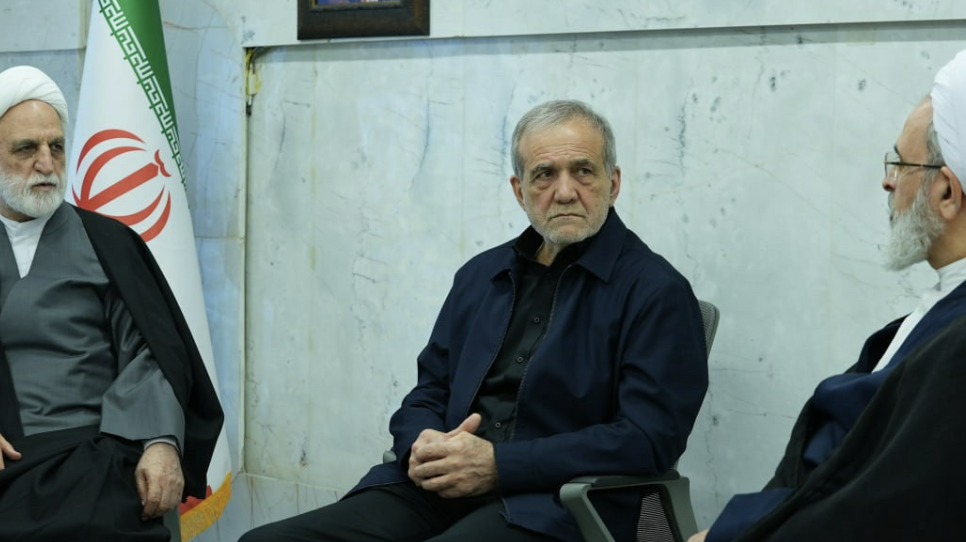
After images surfaced showing a meeting of Iran’s interim leadership council following the killing of the country’s leader, Ali Khamenei, some Iranian social media users began trying to identify where the session had taken place. They say clues in the images suggest the meeting may have been held at a hospital in northern Tehran.
The Media Line reviewed the available information through assessment, geolocation, and verification checks. It seems it is “not implausible,” but it can not stand independently.
The session took place in the basement of a hospital in northern Tehran, near the Swiss Embassy—Washington’s protecting power in Iran—and several other embassies, including those of South Korea and the United Arab Emirates, as a precaution against airstrikes. The architecture and interior details visible in the photos suggest the location is not a typical hideout or standard secure facility. That said, collecting hard evidence under wartime conditions and a complete internet blackout in Iran is extremely difficult.

Arman Hospital is located on the major highway in northern Tehran and also near the HQ of the regime’s Police. (Waze)
It can be assumed that, given Israel’s intelligence reach, the presence of Mossad assets on the ground, and deep penetration at the highest levels of Iran’s command and leadership, Iran’s security services may have sought an unusual location for the meeting.
Ansar al-Mahdi Protection Corps—the force tasked with protecting senior officials—may therefore have decided, in coordination with the Intelligence Ministry and the Islamic Revolutionary Guard Corps (IRGC) Intelligence Organization, to hold the council session somewhere unexpected rather than in familiar underground shelters or other cover sites.

Arman Hospital is an expensive and well-equipped medical center in north Tehran. (Arman Hospital)
A Tehran-based source familiar with security matters told TML that the second meeting of the leadership council—reported by domestic media on Sunday evening—was staged primarily to produce photographs and a news item for propaganda purposes and is unlikely to have lasted more than a few minutes.
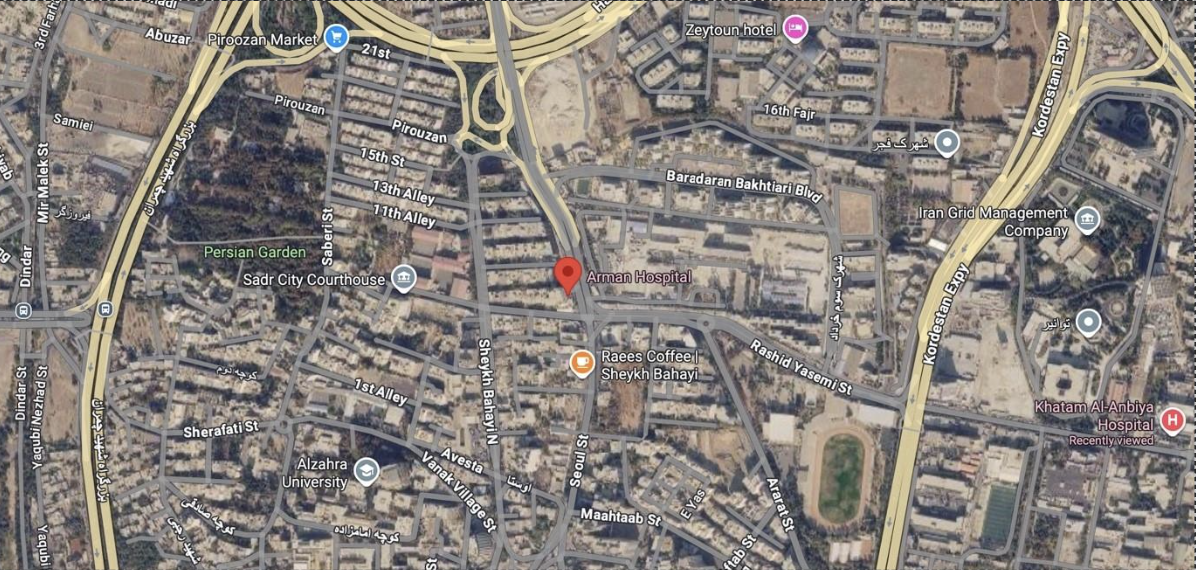
Arman Hospital in northern Tehran is near the Swiss Embassy and several other embassies, as well as security and military sites. (Google Maps)
Iranian media reported on Sunday that the first meeting of the interim leadership council was held with President Masoud Pezeshkian, Judiciary Chief Gholam-Hossein Mohseni Eje’i, and Alireza Arafi, the cleric-jurist (faqih) introduced by the Guardian Council. No images from that session were published. However, at 8:40 p.m., the IRIB News Agency reported a second meeting and released a few carefully staged photographs. In each frame, one of the three members appears to be speaking.
Give the gift of hope
We practice what we preach:
accurate, fearless journalism. But we can't do it alone.
- On the ground in Gaza, Syria, Israel, Egypt, Pakistan, and more
- Our program trained more than 100 journalists
- Calling out fake news and reporting real facts
- On the ground in Gaza, Syria, Israel, Egypt, Pakistan, and more
- Our program trained more than 100 journalists
- Calling out fake news and reporting real facts
Join us.
Support The Media Line. Save democracy.



Screenshot from the Instagram page of the company contracted for the hospital’s interior lighting. (Instagram)
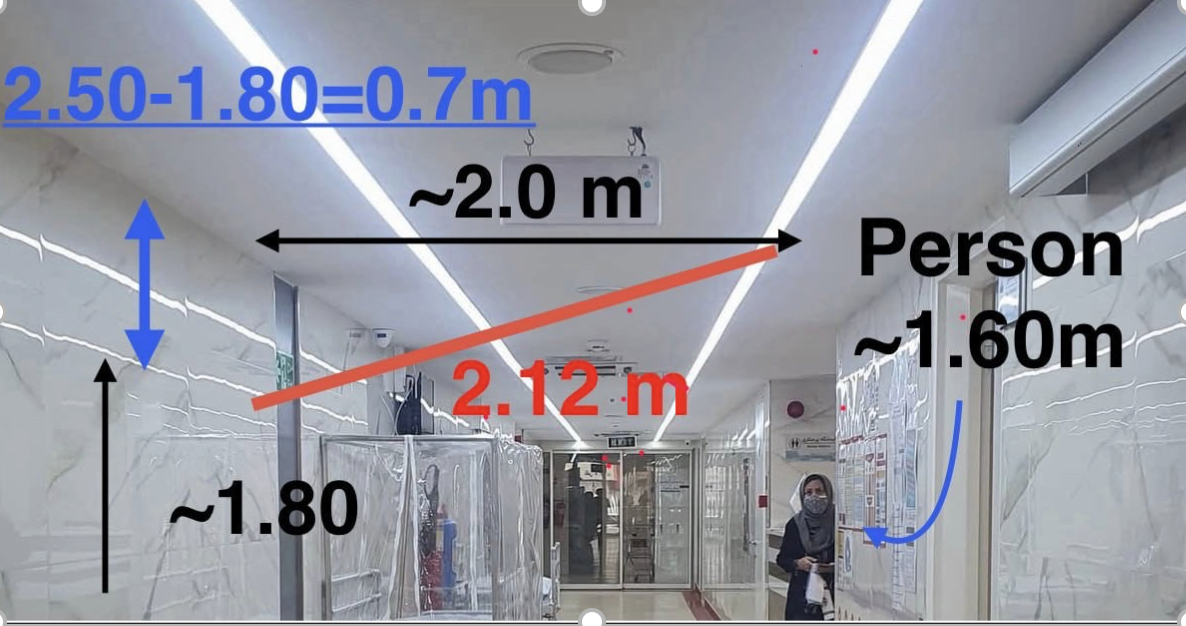
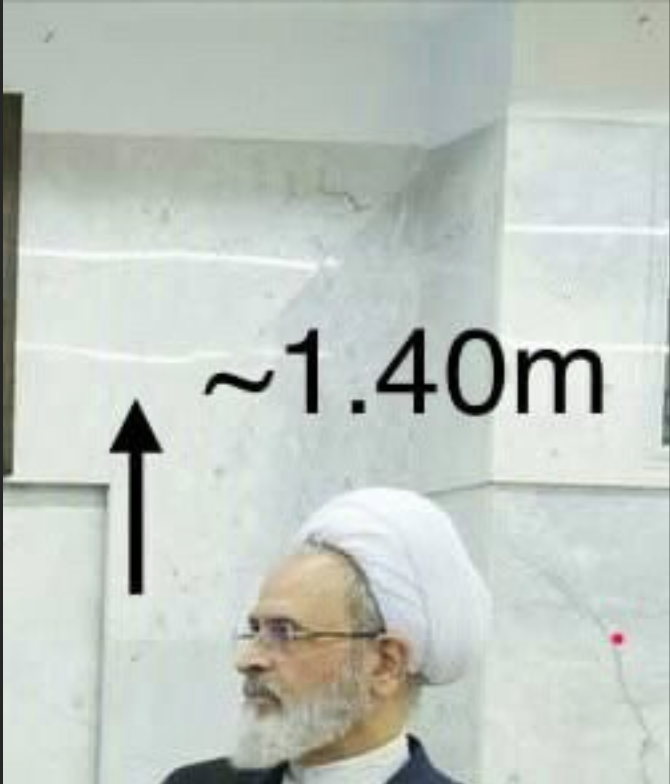
A post by an X user claims that the lighting design at Arman Hospital indicates the interim leadership council meeting was held there. (JJ Thee Grizzly)
The images immediately drew attention on Iranian social media, based on a post by a user interested in intelligence data. JJ Thee Grizzly on X cited interior architecture and light reflections, speculating that the meeting may have been held at Arman Hospital near Vanak, with access to several major highways in northern Tehran.
By Monday afternoon, as the Arman Hospital theory was trending on social media, Noor News Telegram channel—widely believed to be linked to Iran’s security circles—denied the claim and dismissed it as part of “psychological warfare.”

Images of Arman Hospital showing light reflections similar to those seen in the leadership council photos; the hospital’s website has been inaccessible since Monday. (Arman Hospital/ Instagram)
Arman Hospital is a specialist medical center on Seoul Street. It began operating about six years ago with advanced equipment and is known not only for obstetrics and surgical services, but also for expensive cosmetic procedures that have become common in Iran. There have also been rumors about its connections to IRGC-linked oligarchic networks that control major sectors of Iran’s economy.
During the 12-Day War with Israel last June, senior regime officials reportedly used unidentified cover locations to hold in-person meetings. This approach became more pronounced after Israel struck the site of a meeting involving heads of the three branches of the regime.
According to Pezeshkian and people close to him, a main missile that hit the ceiling of the basement meeting site failed to detonate, sparing the senior officials and commanders present from what would have been certain death; Pezeshkian was injured while escaping through an opening hole used to get out of the rubble.
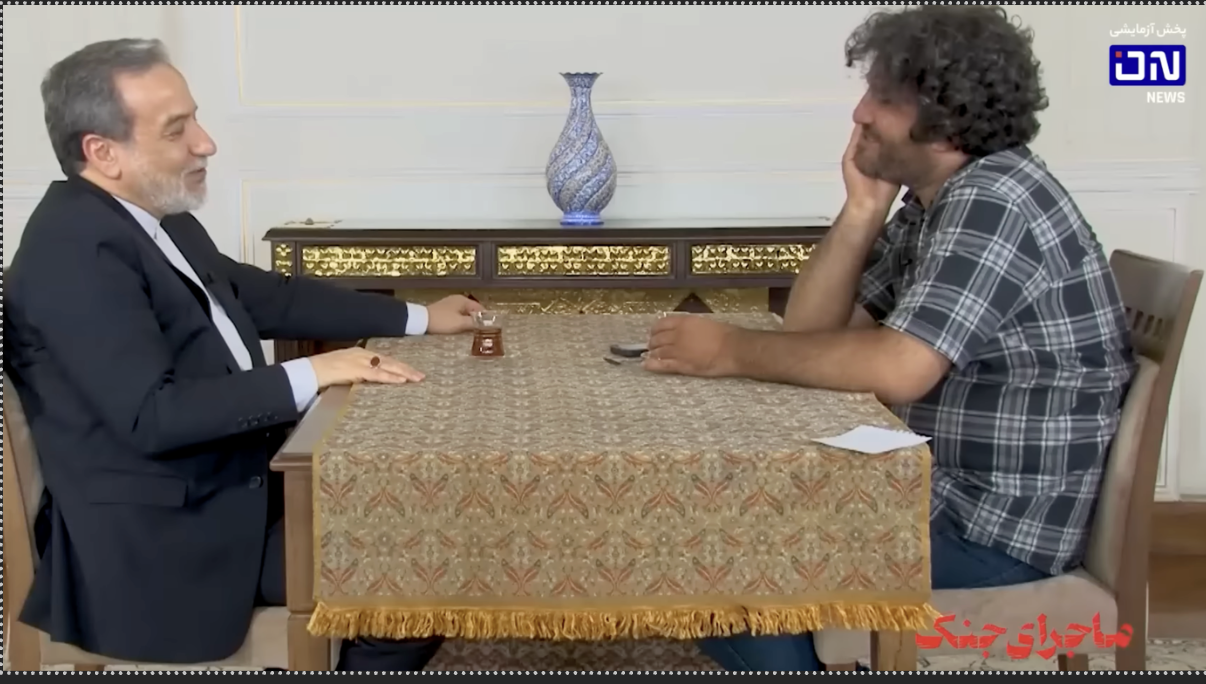
Abbas Araghchi, Iran’s foreign minister in an interview with documentary filmmaker Javad Mogouyi, who is close to the leader’s office. (Screenshot: news_ir YouTube)
Abbas Araghchi, Iran’s foreign minister, said in an interview with documentary filmmaker Javad Mogouyi, who is close to the regime, that clandestine meetings during the 12-Day War were organized on short notice and held at different locations. He added that he sometimes traveled to them on the back of a motorcycle.
Israel also struck a meeting of military commanders at an undisclosed location in an office building near Tehran’s Tajrish Square, resulting in civilian casualties.
Masoud Pezeshkian, who was not seen in the first hours of the joint US-Israeli strikes, was widely rumored to have been killed or wounded—particularly after Israeli jets struck the leader’s compound and the presidential complex. He later signaled that he was alive first through a written message and then via a recorded video statement from a hideout, suggesting security officials may have assessed him as a likely next target.
Under the constitution of the Islamic Republic, in the event of the leader’s death, a temporary leadership council is formed consisting of the president, the head of the judiciary, and a Faghih (top mullah) nominated by the Guardian Council. This body assumes the leader’s duties. However, certain major decisions—including declaring war or peace—must be approved by a majority of the Expediency Council.
According to published reports, US and Israeli intelligence services, after months of planning, data analysis, and surveillance of the Supreme Leader, received last-minute information indicating that Khamenei would meet with senior military commanders at his official residence at about 9:00 a.m. on Saturday, February 28. Israeli fighter jets then reportedly struck the leader’s compound at 9:40 a.m. with long-range, precise, highly destructive missiles.
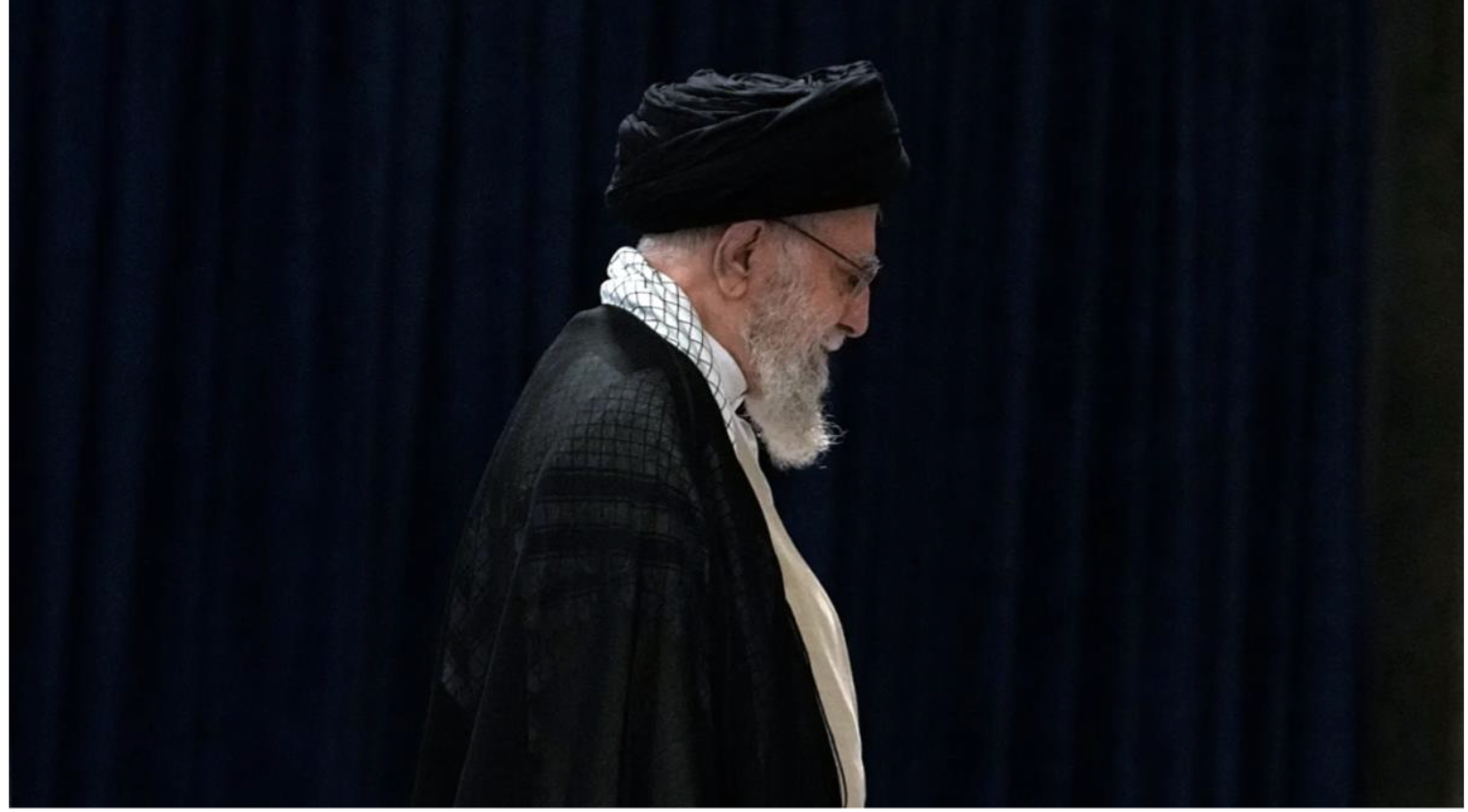
Ali Khamenei. (Khamenei website)
Given lessons from the 12-Day War and the suspected US-Israeli penetration of the regime’s communications networks, senior officials may have decided that when short, urgent in-person meetings are necessary, they should be held not in pre-identified underground shelters but at various locations in and around the capital to reduce the risk of revealing a meeting site and to rely on “human shielding” dynamics. Such settings could also serve as made-for-camera backdrops, designed to project control even as the regime faces a catastrophic wartime situation.
