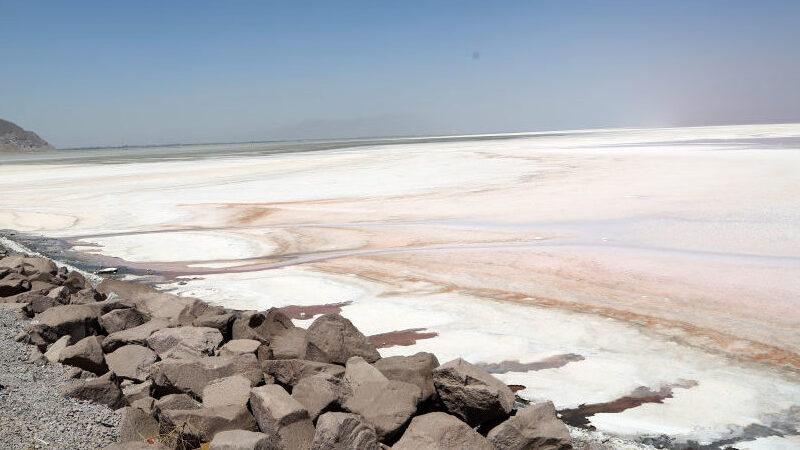
Iran To Purchase Water From Neighboring Countries Amid Most Severe Drought in Half a Century
Iran’s government is preparing to buy water from neighboring states as it confronts the most severe shortage the country has reported in over half a century, Radio Farda reports. Energy Minister Abbas Aliabadi confirmed the plan on December 3, describing a new approach that officials say reflects the scale of the strain on Iran’s reservoirs, aquifers, and major population centers.
Authorities report that rainfall this year has reached its lowest level in more than 50 years, leaving the country’s main dams depleted and groundwater substantially overdrawn. Large cities, including Tehran, have already begun rationing supplies as the government searches for long-term options to stabilize consumption.
The strategy under discussion involves two major shifts: direct purchases of excess water from neighboring states and a greater reliance on imported goods that require heavy water usage to produce. That second mechanism, often referred to as the import of “virtual water,” would allow Iran to conserve its own limited reserves by reducing the domestic production of water-intensive crops and commodities.
Give the gift of hope
We practice what we preach:
accurate, fearless journalism. But we can't do it alone.
- On the ground in Gaza, Syria, Israel, Egypt, Pakistan, and more
- Our program trained more than 100 journalists
- Calling out fake news and reporting real facts
- On the ground in Gaza, Syria, Israel, Egypt, Pakistan, and more
- Our program trained more than 100 journalists
- Calling out fake news and reporting real facts
Join us.
Support The Media Line. Save democracy.
Iran’s regional choices are constrained, as most nearby countries—including Iraq, Afghanistan, and Pakistan’s border areas—are coping with their own shortages. Armenia is among the few with relatively stronger supplies.
Even so, Norway-based climatologist Nasser Karami told Radio Farda that Tehran is likely to begin talks with Afghanistan because of existing waterways that already flow toward Iran. “Afghanistan has many rivers that flow out of its territory, including three that go to Iran,” he said, adding that Kabul may also seek access to resources it cannot obtain on its own, such as channels to international waters.
Karami said Iran’s current agricultural ambitions exceed what the country’s water resources can realistically support. He noted that the nation lacks the capacity to feed a population approaching 100 million and estimated that its farmland and reserves could sustain only about half that number, making large-scale imports unavoidable. He characterized the government’s new approach as reasonable and necessary given those constraints.
The crisis has drawn attention to powerful interests inside Iran that environmental advocates label a “water mafia,” accusing them of driving years of over-extraction through subsidies, political influence, and dam-building contracts. For many Iranians, the idea of buying water from abroad marks a profound departure from narratives of self-reliance, but specialists say the scale of drought, mismanagement, and climate pressure has left the government with few alternatives.
