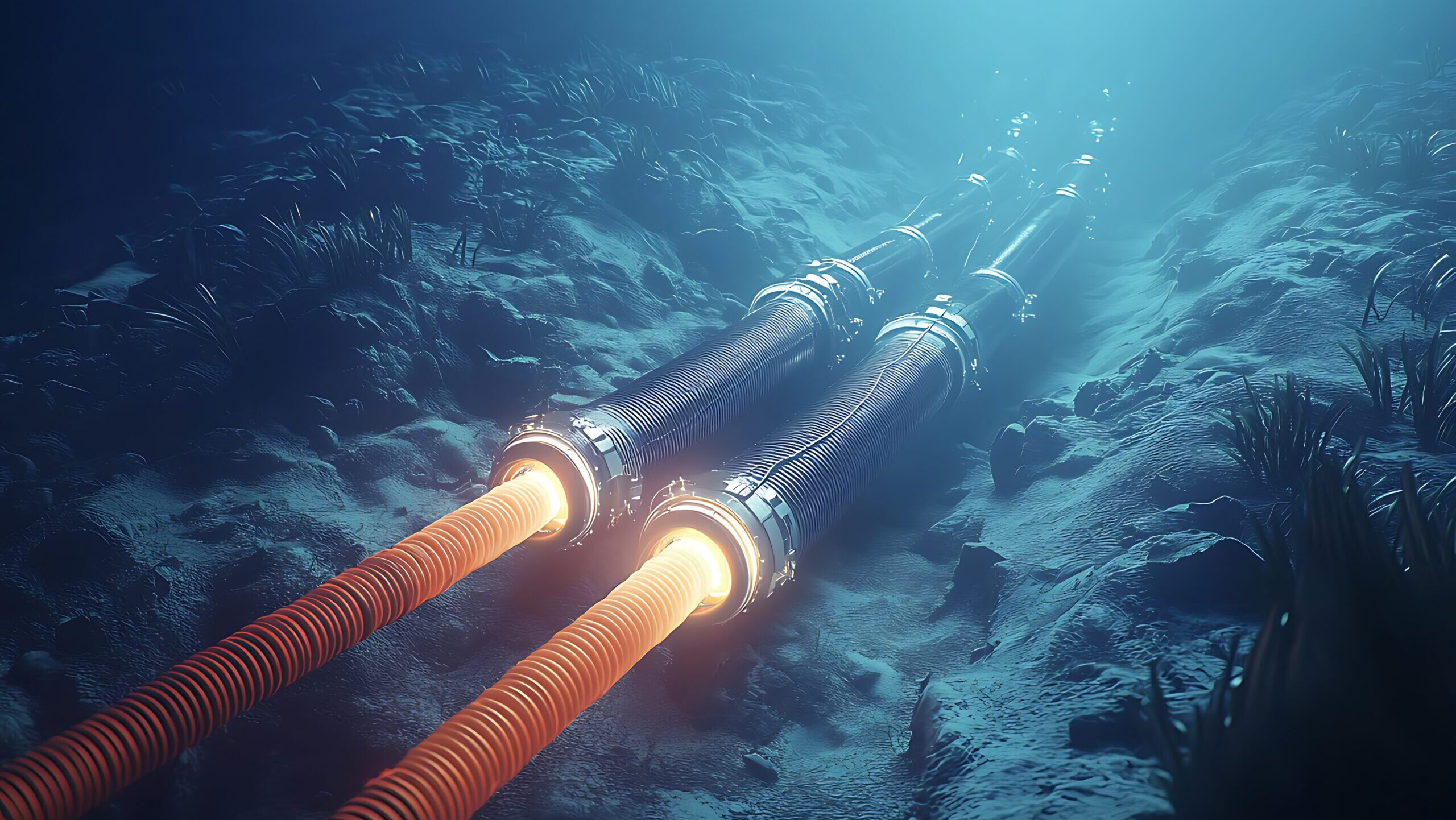
Israel Maintains Backing for €1.9 Billion Energy Link to Europe
Israel reaffirmed on Friday that it is fully committed to the €1.9 billion EuroAsia Interconnector, a planned undersea cable linking its electricity grid with Europe, after Cyprus raised concerns about the project’s financial feasibility. The initiative, one of the world’s longest and deepest submarine power interconnectors, is designed to connect Israel, Greece, and Cyprus to the European Union’s energy network.
Cypriot President Nikos Christodoulides announced earlier this week that the project was not viable under current terms and disclosed that the European Public Prosecutor’s Office had launched an investigation. The remarks prompted a sharp response from Greece, which called on Nicosia to clarify its stance.
Give the gift of hope
We practice what we preach:
accurate, fearless journalism. But we can't do it alone.
- On the ground in Gaza, Syria, Israel, Egypt, Pakistan, and more
- Our program trained more than 100 journalists
- Calling out fake news and reporting real facts
- On the ground in Gaza, Syria, Israel, Egypt, Pakistan, and more
- Our program trained more than 100 journalists
- Calling out fake news and reporting real facts
Join us.
Support The Media Line. Save democracy.
The European Commission, which has pledged €657 million toward the interconnector, urged all parties to work together to move the effort forward. For Israel, the cable is strategically important, offering its first direct link to the European electricity market. The connection would allow Israel both to export surplus power and import energy in times of shortage.
Israel’s Ministry of Energy and Infrastructure said in a written statement, “Israel remains committed to the project and continues to work closely with all relevant stakeholders.” The ministry added that an evaluation process among the participating countries is underway to determine next steps.
The project has been billed as a cornerstone of Europe’s strategy to diversify energy supplies and reduce reliance on imports from Russia, especially following Moscow’s 2022 invasion of Ukraine, which reshaped the continent’s energy priorities.
