Jordan’s Ancient Mehras Olive Traditions Win UNESCO Heritage Status
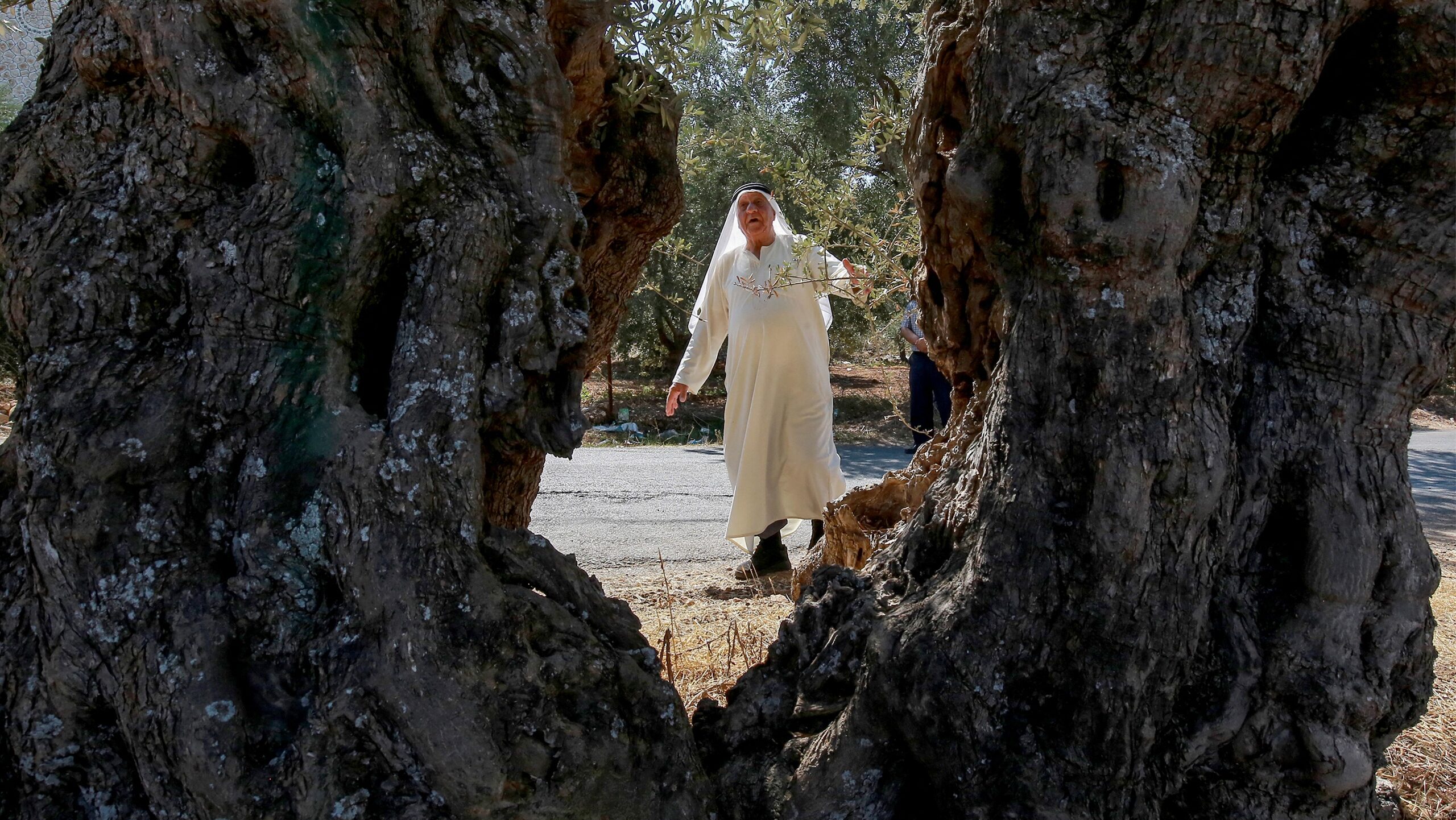
Jordan’s centuries-old Mehras olive tree variety has been added to the UNESCO Representative List of the Intangible Cultural Heritage of Humanity, following a decision on Wednesday at the body’s 20th Intergovernmental Committee session at New Delhi’s historic Red Fort. The move recognizes the traditional know-how, farming practices, and cultural customs surrounding the tree in Jordan, where olives are a cornerstone of rural life and national cuisine.
Jordanian Culture Minister Mustafa Rawashdeh praised the listing, saying the Mehras olive tree is deeply woven into Jordan’s social fabric and that the UNESCO status will strengthen both its cultural and tourism appeal. The Jordanian Ministry of Culture describes Mehras as an ancient olive lineage that has retained its traits for centuries, including strong resistance to drought and climate stress and the ability to produce oil with an unusually high yield, reportedly reaching about 30%—placing it among the more productive olive varieties in the world.
Give the gift of hope
We practice what we preach:
accurate, fearless journalism. But we can't do it alone.
- On the ground in Gaza, Syria, Israel, Egypt, Pakistan, and more
- Our program trained more than 100 journalists
- Calling out fake news and reporting real facts
- On the ground in Gaza, Syria, Israel, Egypt, Pakistan, and more
- Our program trained more than 100 journalists
- Calling out fake news and reporting real facts
Join us.
Support The Media Line. Save democracy.


UNESCO’s description emphasizes the body of traditional knowledge tied to Mehras orchards, such as grafting techniques, pruning methods, fertilization practices, and hand-harvesting rituals, all of which are passed down within families and local communities. These practices are part of a broader Mediterranean olive culture that UNESCO has sought to preserve through various heritage listings.
Research by Jordan’s National Agricultural Research Center, in cooperation with two Jordanian universities, recently concluded that Mehras trees in the Maysar area of Ajloun Governorate are genetically close to some of the earliest known olive strains in the Mediterranean, including historic varieties in Spain, Italy, and Cyprus, reinforcing their status as a living link to the region’s agricultural past.
