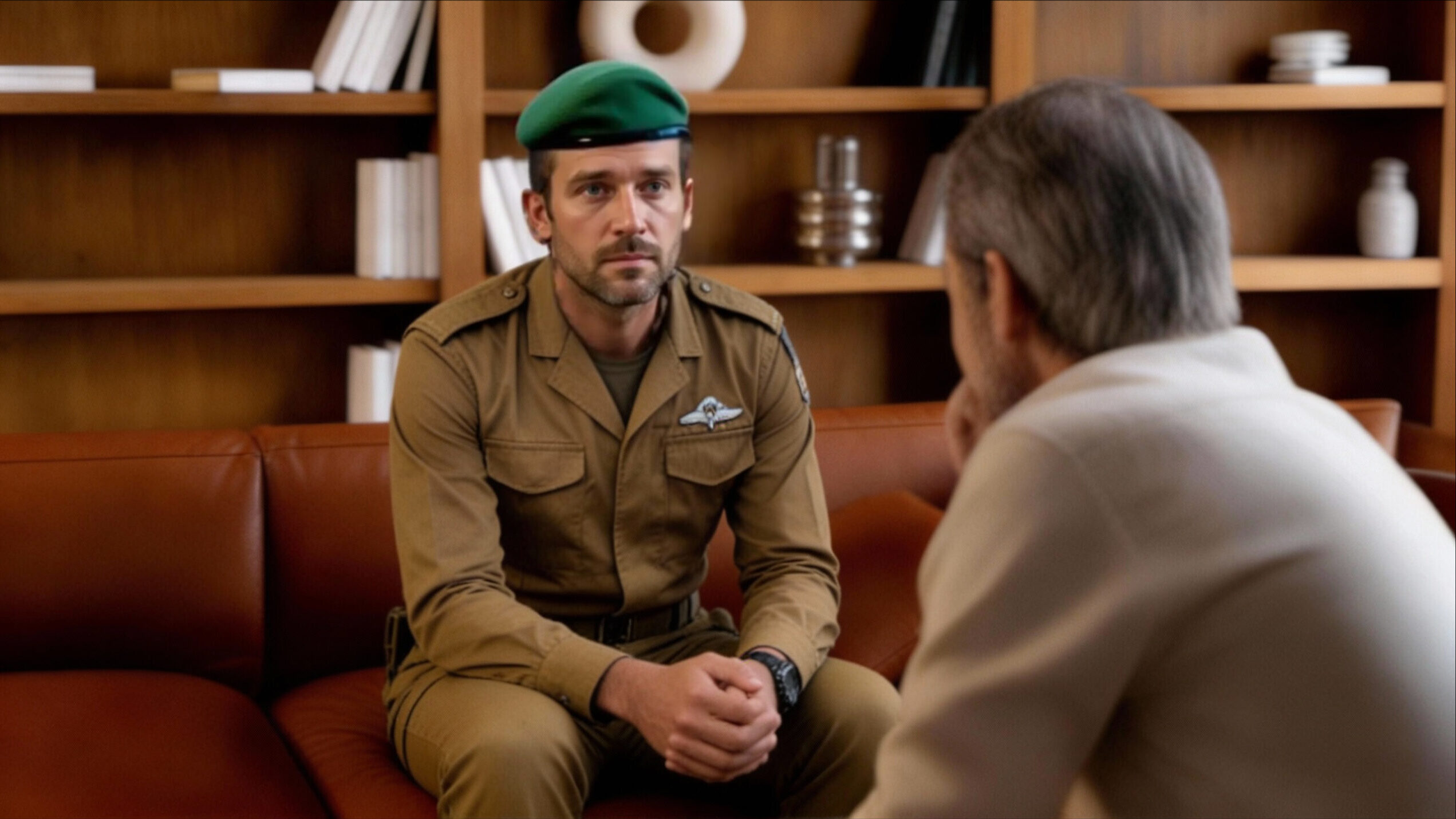
‘Not Secondary but Essential’: US Network Brings Proven Mental Health Care Model to Modi’in
Serving Israeli soldiers, reservists, and families, the new site offers short-term outpatient therapy with rapid intake and structured treatment plans
The Cohen Veterans Network (CVN) has opened its first international satellite clinic in Modi’in, Israel, to serve more than 630,000 soldiers, reservists, and family members who have been serving the country since October 7, 2023.
A ribbon-cutting ceremony took place on Sunday at the new facility, attended by leaders from CVN and its partner, Sheba Medical Center, as well as representatives from Friends of the Israel Defense Forces and the UJA-Federation of New York, which are helping fund the initiative.
The organization specializes in trauma care for military families in the United States, providing personalized, one-on-one therapy for adults dealing with anxiety, depression, post-traumatic stress disorder, and related challenges.
We’ve seen 100,000 patients in a million visits
In an exclusive interview with The Media Line, CVN CEO Anthony Hassan pointed to the organization’s scale and model. “We’ve seen 100,000 patients in a million visits,” he said. “We have a proven model that says we get people the care they need when they need it, and we get them on their way in eight to 10 sessions. So it’s short-term, accessible, quality mental health care.”
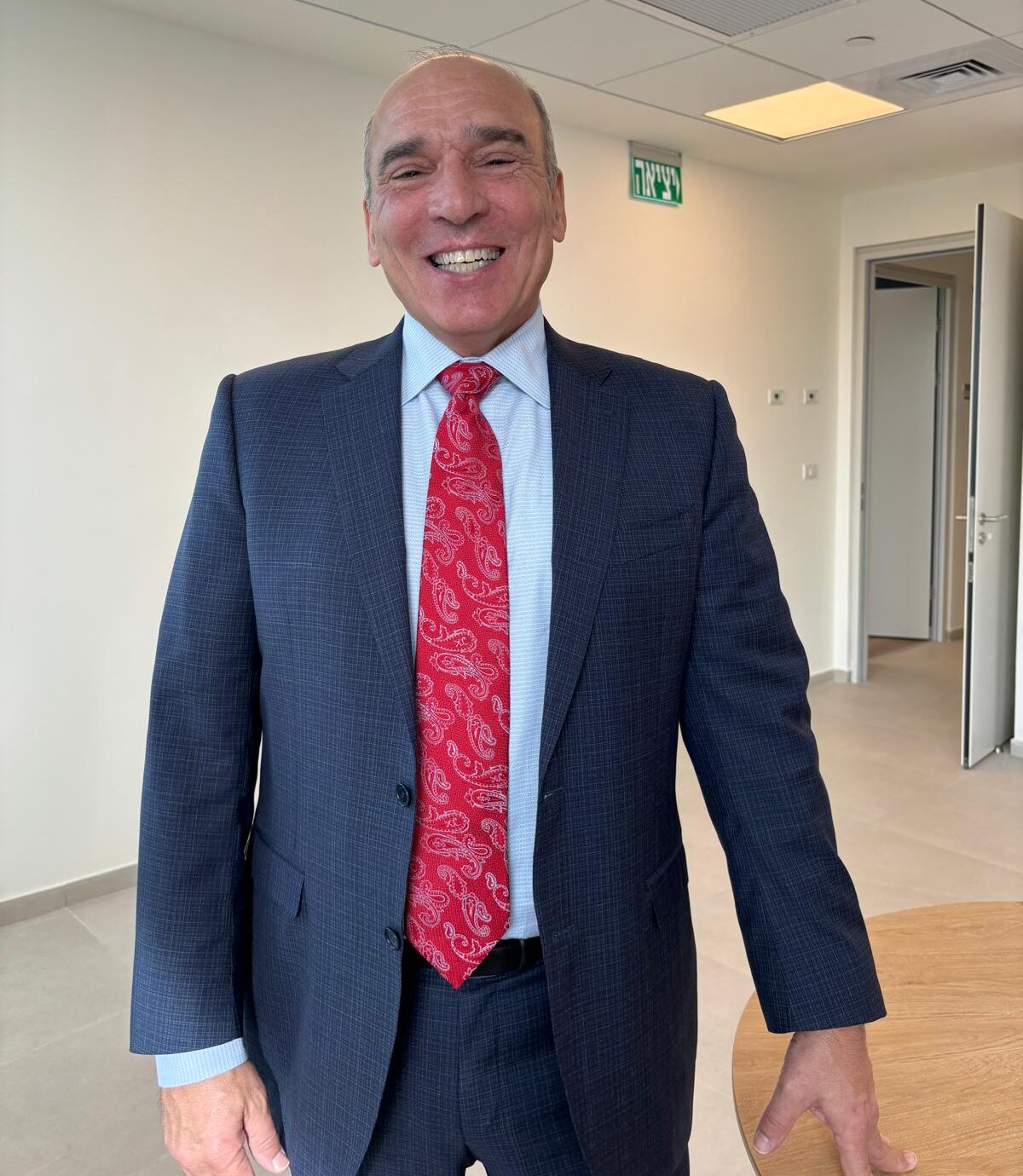
CVN CEO Anthony Hassan. (Maayan Hoffman/The Media Line.)
After nearly two years of war, Hassan said, it quickly became clear to the CVN team that Israel needed this type of clinic, given the toll on military families.
He framed the decision as a practical extension of an established approach. “Why not bring our model that’s proven and effective to deliver good quality, outpatient mental health care for the very thing that service members, soldiers, reservists, and their families experience?” he said. “We are specialists in this area.”
The mental health crisis among military personnel “has become a national phenomenon,” according to Dr. Alona Barnea, director of the Neurotechnology Division at the Israel Ministry of Defense Directorate of Defense Research and Development.
Earlier this month, speaking at the International DefenseTech Summit, Barnea said that “what has changed over the past two years is an unprecedented scale of mental health casualties. Mental crisis has become a national phenomenon. The tools at our disposal are no longer sufficient.”
A recent report from the Rehabilitation Department of the Ministry of Defense showed that of the 82,400 wounded veterans currently being treated by the department, about 31,000 are coping with mental health injuries and post-trauma. Of the roughly 22,000 added to the department’s care since the October 7 massacre, more than half, 58%, are dealing with psychological injuries.
Defense Ministry estimates project that by 2028, the department will be treating approximately 100,000 wounded veterans, half of whom will be coping with mental health injuries. Over the past year, the number of mental health treatments provided by the department has doubled. There has also been an approximately 50% increase in the use of alternative therapies and an approximately 80% rise in calls to the “One Soul” mental health support hotline.
“Mental health care is not secondary care but essential,” said Prof. Amitai Ziv, director of Sheba’s Rehabilitation Hospital.
Give the gift of hope
We practice what we preach:
accurate, fearless journalism. But we can't do it alone.
- On the ground in Gaza, Syria, Israel, Egypt, Pakistan, and more
- Our program trained more than 100 journalists
- Calling out fake news and reporting real facts
- On the ground in Gaza, Syria, Israel, Egypt, Pakistan, and more
- Our program trained more than 100 journalists
- Calling out fake news and reporting real facts
Join us.
Support The Media Line. Save democracy.
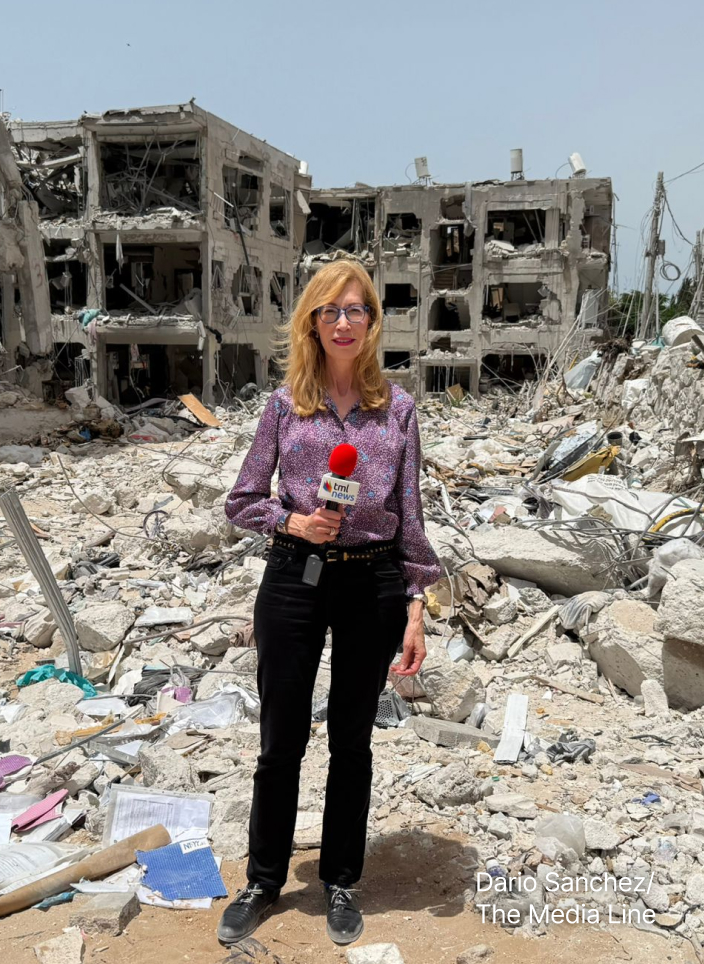
Mental health care is not secondary care but essential
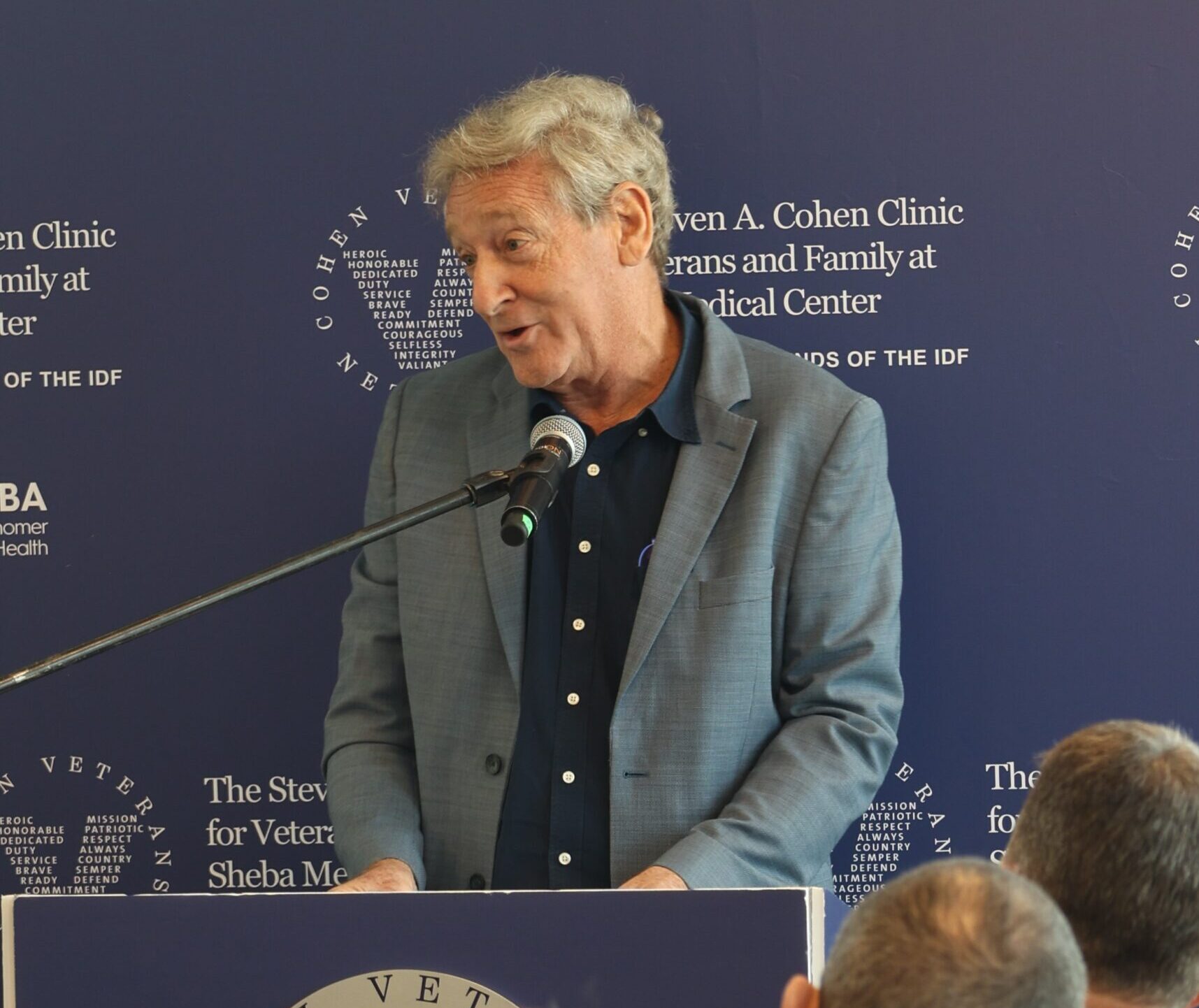
Prof. Amitai Ziv, director of Sheba’s Rehabilitation Hospital. (Sheba Medical Center)
Describing CVN’s intake process, Hassan said that when someone from the military community seeks help, “we get them in the door” quickly, often with an initial assessment almost immediately.
Patients then receive weekly therapy for eight to 10 sessions. The average length of care is 10 sessions, although some patients receive up to 15.
Hassan said the program tracks outcomes closely. “We’re very data-driven and outcome-focused, meaning when you come in for care, we’re going to give you a screener, and then all throughout your treatment, you get a screener to see how you’re doing,” he said. “What we’ve seen with our data is that between eight and 10 sessions, you’re probably meeting the maximum benefit. So there’s no need for us to hold on to you for a year or two years. If we can get people in the door, we can get them out the door, and that opens up more access.”
He said treatment typically begins within three weeks, while wait times through the general health funds can stretch as long as six months. For those in crisis, same-day care is often available.
Pointing to a common barrier in military communities, Hassan added: “We know how hard it is to wear a uniform and raise a hand and ask for help, and if when we do, nobody’s there, that’s the worst thing that could happen,” he said.
At CVN, therapy is primarily talk therapy, but the organization tailors care using multiple modalities, including cognitive behavioral therapy, cognitive processing therapy, prolonged exposure therapy, and written exposure therapy. Treatment can be individual-based, for couples, families, or groups. The clinic also serves the children and adolescents of veterans. Patients must be experiencing mild to moderate conditions, while those with severe conditions are referred to other services.
Hassan said the goal is structured care with an open door to return if needed. “We believe we’re going to get you better,” he told The Media Line. “We work with the military, understand the unique dynamic of the military, and so you build a good, trusting relationship. You get them through a solid course of treatment. It makes sense that you don’t need to be in treatment forever, but you can always come back.”
Treatment will be billable through Israel’s health funds. If services are not covered or a patient cannot afford the copay, CVN will offer care free of charge. The clinic also provides child care during appointments and transportation assistance for those who need it. For patients who live too far away or have difficulty leaving their homes, telehealth is also available.
Founded in the United States 10 years ago, CVN now operates 22 clinics nationwide. Israel is its first international hub, with a second clinic planned for the north of the country. The organization is also working to open clinics on US military bases in Asia.
Sheba Director-General Prof. Yitshak Kreiss described the new clinic as part of the country’s “responsibility and duty” to those who serve.
Speaking at the ceremony Sunday, Kreiss said: “We understood that this is our responsibility to do something with the country.”
Ziv noted that although the ribbon-cutting took place only this week, approximately 250 veterans and family members have already entered the system.
Modi’in was chosen for its central location, Hassan said.
Welcoming the clinic, Modi’in Mayor Haim Bibas called it an “ethical and social” responsibility.
This is a national mission
“This is a national mission,” Bibas said. The clinic, he added, “provides a response to those people who carry a heavy burden on their backs and souls. I am talking about members of the security forces, fighters who have served the country and paid, and are still paying, a very personal price.”
Bibas also said Modi’in has the highest mobilization rate in the Israel Defense Forces.
“Post-trauma does not stay on the battlefield but returns home to daily life and the family,” Bibas said. “It is not visible from the outside, but it deeply affects sleep and connection with the environment. Since the outbreak of the war, we have seen increasing numbers of fighters return home but not really return to themselves. Some of them do not understand it. Their family members do not understand.”
Opening the clinic, he said, is “not just right, it is necessary.”
This report is part of Traumatech, a new series developed and created by Maayan Hoffman and debuting on The Media Line. The series explores how Israel is building and exporting breakthrough mental health technologies that can transform life at home and bring hope to communities worldwide.
