A Tale Written on the Battlefield and in the Beltway
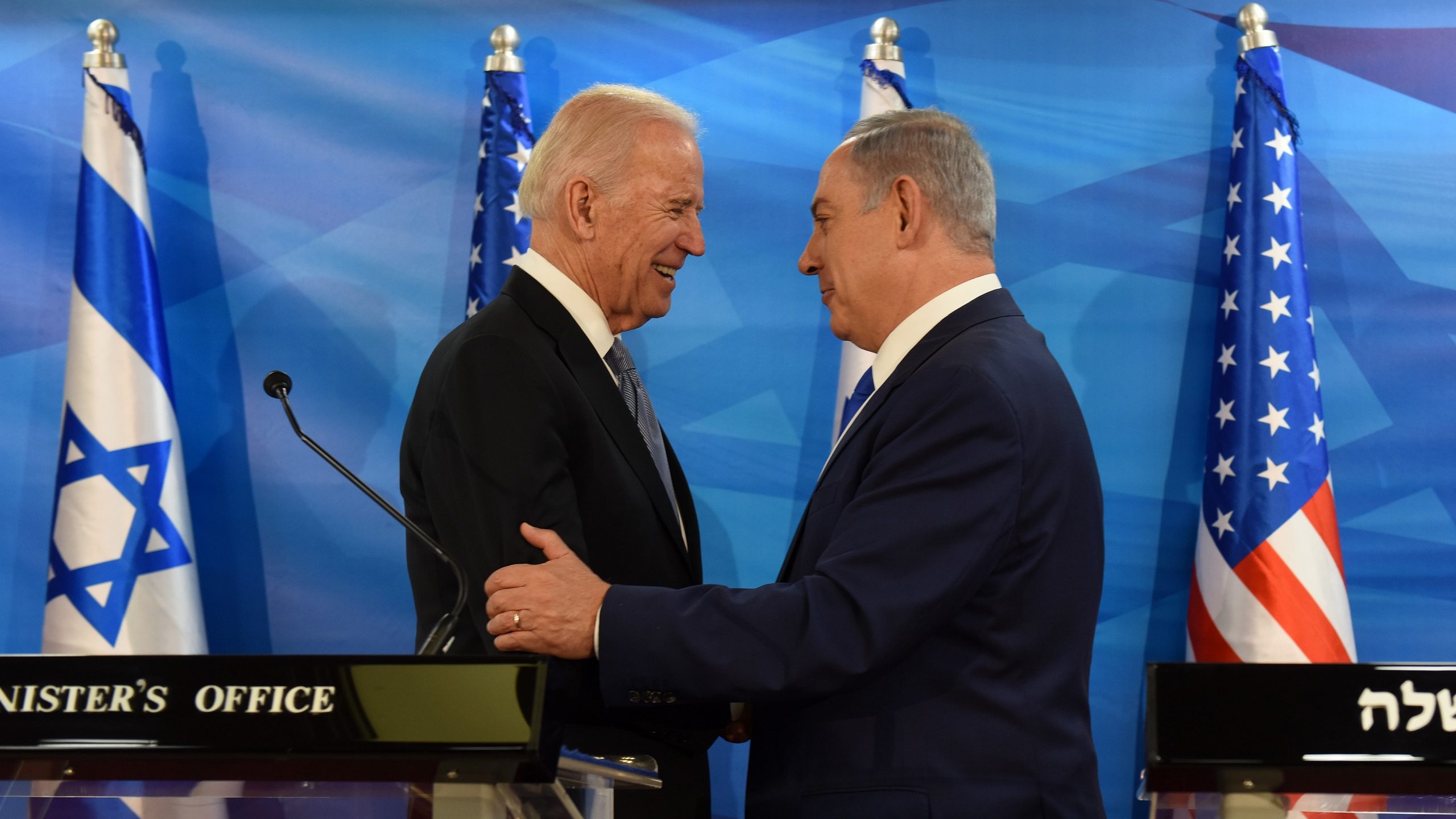
In a headline-grabbing turn, Prime Minister Benjamin Netanyahu launched into a full-throated critique of what he called a “Biden-era embargo” on arms supplies to Israel, claiming it cost Israeli soldiers’ lives and demanding that Hamas disarm before Gaza reconstruction can begin. In a move that makes for instant political buzz, Netanyahu tied military outcomes to international diplomacy, asserting that shortages in ammunition in mid-2024 left soldiers fighting in streets and booby-trapped houses without enough firepower—a charge aimed squarely at decisions taken in Washington under the previous US administration.
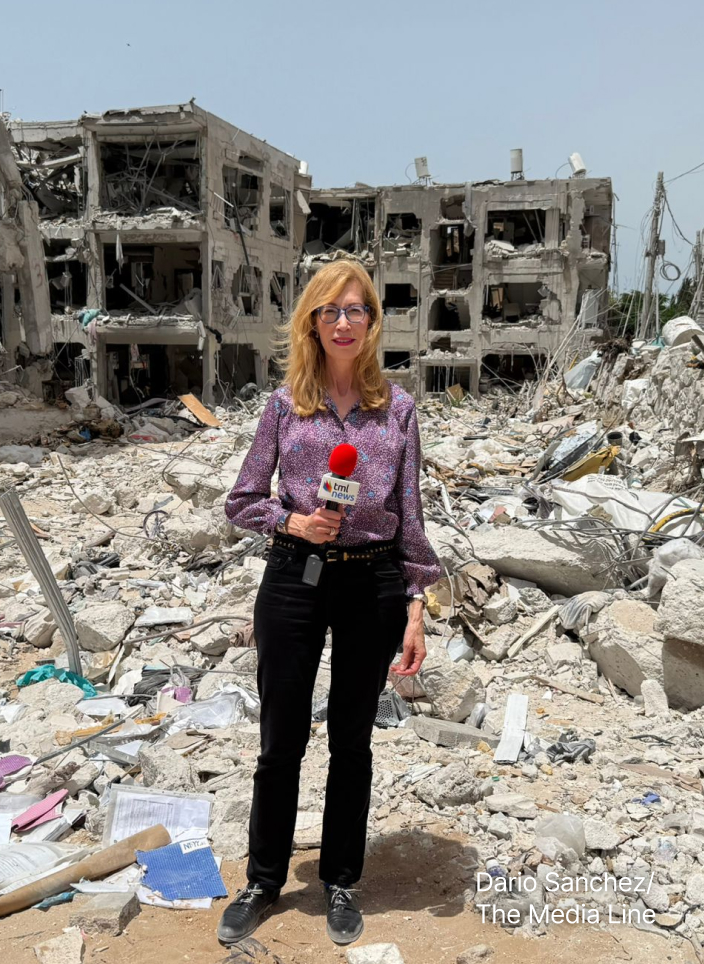
But the story isn’t just about munitions and missiles. At its heart it is political theater, geopolitical positioning, and domestic maneuvering wound tightly together. Netanyahu is pressing a familiar message: security first, reconstruction only after the enemy’s guns are silent. In practical terms, that means no serious rebuilding effort in Gaza until Hamas is stripped of its weapons and command structure—a stance that echoes long-running Israeli demands and fits neatly with Washington’s current emphasis on demilitarization as a precondition for any durable postwar arrangement.
There are deeper, less advertised currents as well. Netanyahu’s framing plays especially well with American conservative audiences and aligns closely with President Donald Trump’s broader approach to the region, including the idea that any international plan for Gaza must begin with security and only then move to investment and rebuilding. The subtext is hard to miss: the Israeli prime minister is speaking in a political language calibrated for today’s White House and its supporters.
Give the gift of hope
We practice what we preach:
accurate, fearless journalism. But we can't do it alone.
- On the ground in Gaza, Syria, Israel, Egypt, Pakistan, and more
- Our program trained more than 100 journalists
- Calling out fake news and reporting real facts
- On the ground in Gaza, Syria, Israel, Egypt, Pakistan, and more
- Our program trained more than 100 journalists
- Calling out fake news and reporting real facts
Join us.
Support The Media Line. Save democracy.
At the same time, Netanyahu has a long history of inserting himself into internal American political debates, often in ways that pull pro-Israel voters and donors away from the Democrats and toward the Republican camp. His latest remarks fit that pattern. By casting the previous US administration’s policy as not just misguided but deadly, he is reopening old wounds in Washington—and doing so at a moment when US-Israel relations are once again being shaped by a Republican president with whom he has always had a more comfortable rapport.
In Israel, the speech has another layer. Netanyahu remains under legal and political pressure at home, and critics argue that he routinely wraps himself in the flag during moments of crisis, turning national security arguments into tools of personal survival. Some observers even detect, between the lines, a longer campaign to secure political cover abroad—perhaps even, one day, some form of clemency or political rescue tied to his standing in Washington.
Whether or not the “embargo” claim stands up to forensic scrutiny, the political effect is clear: the story becomes the story. A debate about Gaza’s future is transformed into a broader argument about loyalty, blame, and the price of hesitation in wartime.
And that may be the point. In Netanyahu’s telling, Gaza is not just a battlefield—it is a stage on which alliances, grievances, and personal legacies are being negotiated in full view of two democracies and a watching world.
Stay tuned to The Media Line for an in-depth look at this complicated story of political intrigue, strategic messaging, and the high-stakes intersection of Israeli and American politics.
