Human Rights Day 2025 Exposes a Fractured Middle East
On Human Rights Day 2025, I set out to map a Middle East where basic freedoms are shaped less by constitutions and courtrooms than by who commands the guns, the prisons, and the public narrative. The region’s grinding wars—in Gaza, Sudan, and Yemen—keep millions displaced and hungry, while economic breakdown in countries like Lebanon, Tunisia, and Pakistan erodes daily life for people who were already living on the edge.
In my survey, I found that in many states, peaceful protest can still get you detained, court cases are steered by security agencies, and religious or ethnic identity often determines whether you are protected or targeted. Yet the map is far from uniform. Israel and Cyprus, along with a few semi-open states, still sustain independent media, active rights groups, and courts willing at times to challenge authority. That transparency creates a paradox: Places that allow scrutiny often face the harshest criticism, simply because more can be documented.
Give the gift of hope
We practice what we preach:
accurate, fearless journalism. But we can't do it alone.
- On the ground in Gaza, Syria, Israel, Egypt, Pakistan, and more
- Our program trained more than 100 journalists
- Calling out fake news and reporting real facts
- On the ground in Gaza, Syria, Israel, Egypt, Pakistan, and more
- Our program trained more than 100 journalists
- Calling out fake news and reporting real facts
Join us.
Support The Media Line. Save democracy.
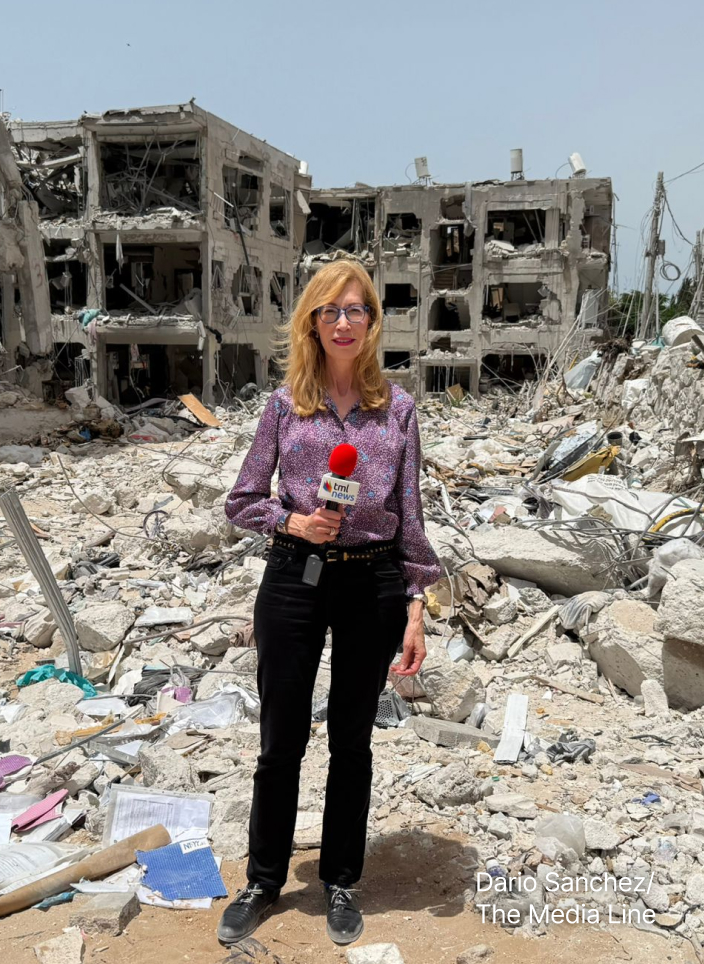
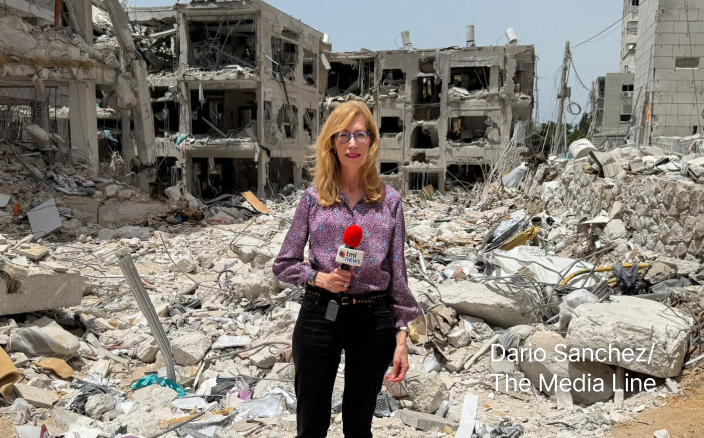
Country by country, I traced conditions across key rights categories: assembly, expression, prisons, minority protections, economic conditions, and the basic right to stay alive amid armed conflict. Afghanistan’s gender apartheid, Iran’s crackdown after mass protests, and the fragmented landscapes of Syria, Libya, and Yemen stand in stark contrast to wealthy monarchies that trade public welfare for political silence.
By the end of this regional tour, I reached a sobering conclusion: 2025 is less a turning point than a pressure test of systems built to manage dissent, not resolve it. To see where change might emerge—and where darkness still hides the worst abuses—I hope readers will explore the full country-by-country breakdown.
