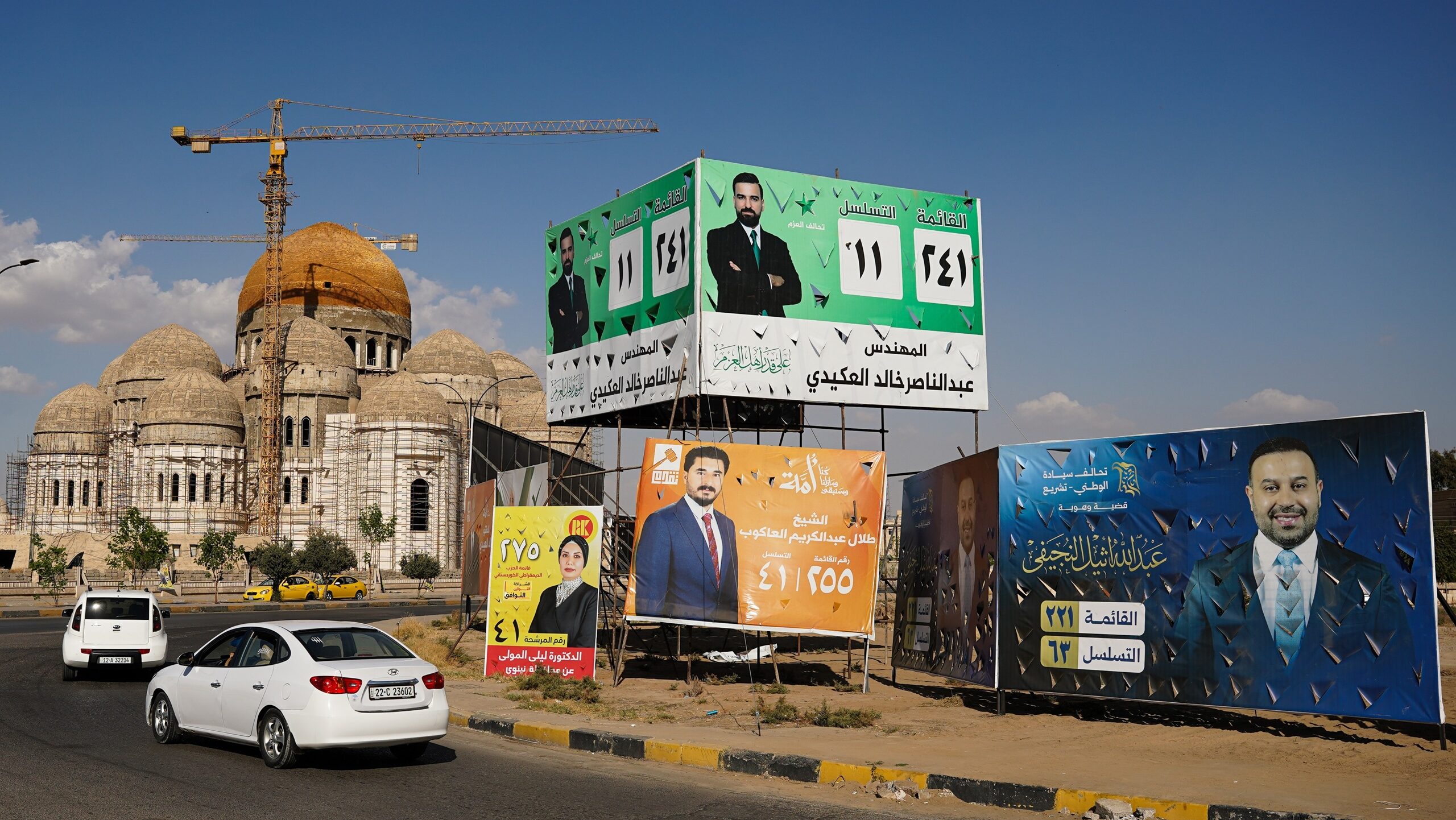
Iraq Heads to the Polls as Alliances Fracture and Youth Boycott Calls Rise
Iraq’s Nov. 11 parliamentary vote—its sixth since 2003—opens with fractured alliances, allegations of vote buying, and youth-led calls to sit out the polls, reporter Hudhaifa Ebrahim writes for The Media Line. The contest pits Prime Minister Mohammed Shia al-Sudani’s Construction and Reconstruction Coalition against former Prime Minister Nouri al-Maliki’s State of Law, the core of the Coordination Framework. Muqtada al-Sadr is boycotting again, while Sunni rivals Khamis al-Khanjar and Mohammed al-Halbousi vie for influence. Voters will choose 329 members of the Council of Representatives, and any “blocking third” could stall cabinet formation for months.
Give the gift of hope
We practice what we preach:
accurate, fearless journalism. But we can't do it alone.
- On the ground in Gaza, Syria, Israel, Egypt, Pakistan, and more
- Our program trained more than 100 journalists
- Calling out fake news and reporting real facts
- On the ground in Gaza, Syria, Israel, Egypt, Pakistan, and more
- Our program trained more than 100 journalists
- Calling out fake news and reporting real facts
Join us.
Support The Media Line. Save democracy.
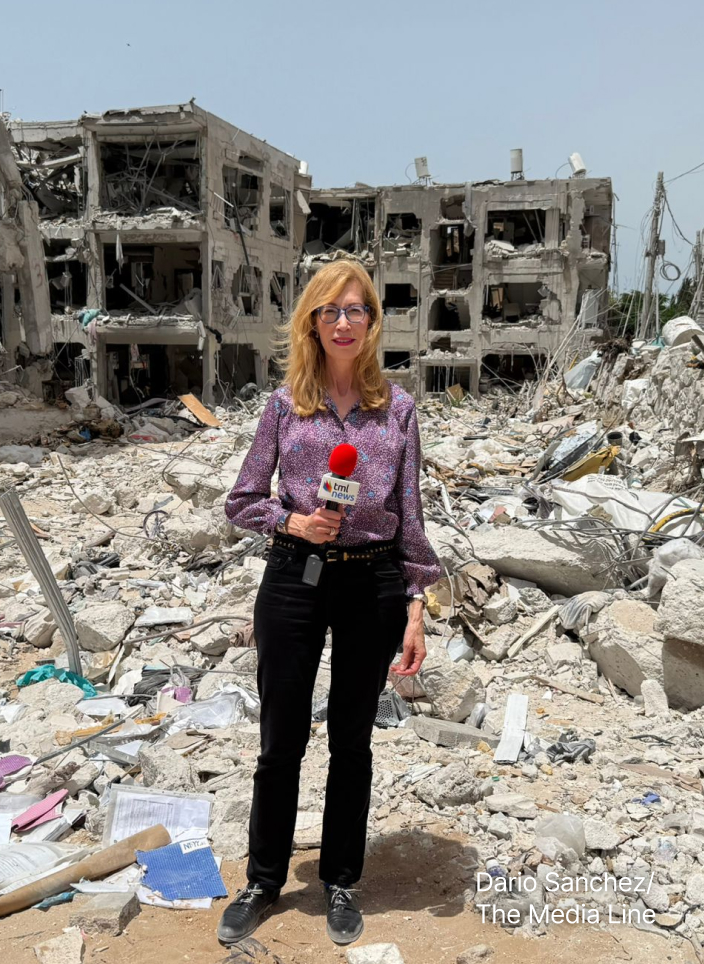
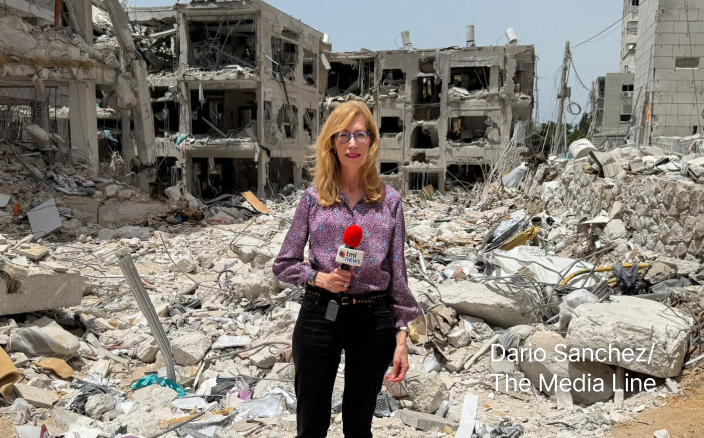
Campaign spending is estimated at 11 trillion dinars (about $8.3 billion), with legacy parties accused by opponents of converting deep war chests into ballots. The Independent High Electoral Commission has excluded more than 700 candidates and is fielding a blizzard of legal challenges. Activists describe a bruising media fight—television blitzes and social-media offensives—plus reports of internet slowdowns that the Communications Ministry attributes to heavy use and upgrades.
On the ground, watchdogs and analysts predict heavy bargaining after the count and warn that public anger over corruption, uneven services, and scarce jobs could depress turnout. The article tracks how alleged cash-and-goods inducements work at ward level and why a Gen Z boycott campaign has gained traction—while candidates opposed to a boycott insist that staying home only entrenches power brokers. For a clear roadmap of the players, the money, and what a blocking third means for government formation, read Ebrahim’s full dispatch.
