Iraq’s Shiite Power Bloc Picks Nouri al-Maliki for a Comeback Bid
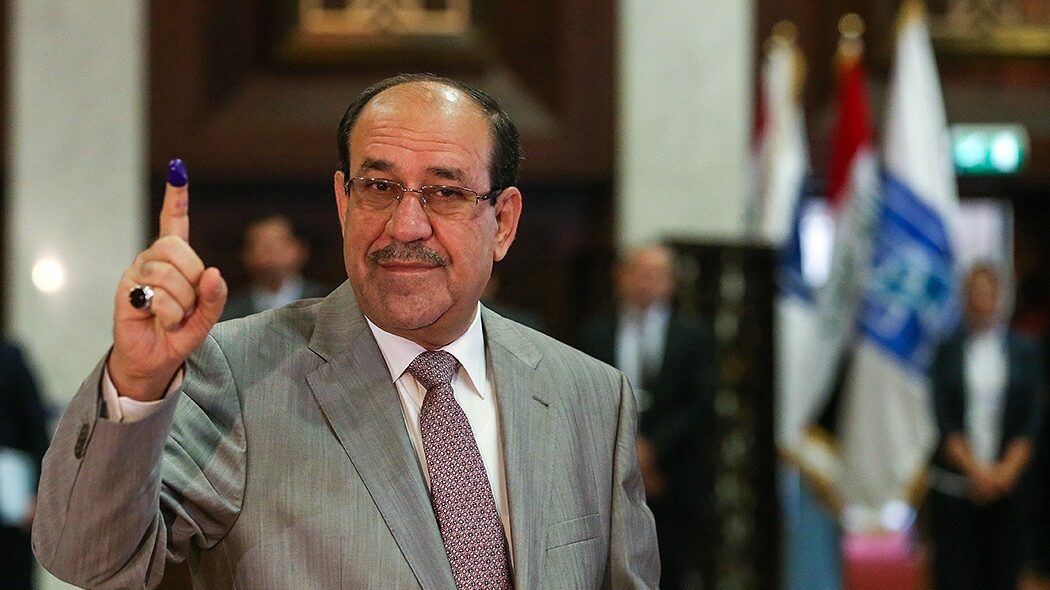
Iraq’s Coordination Framework, the dominant Shiite alliance in parliament, announced Saturday in Baghdad that it has officially nominated former Prime Minister Nouri al-Maliki to lead the country’s next government, setting up a high-stakes push to return one of Iraq’s most polarizing figures to the top job.
In a statement, the bloc said the decision was approved by a majority vote and cited al-Maliki’s “political and administrative experience in governing the state.” The Coordination Framework said it remains committed to Iraq’s constitutional process and vowed to work with other political forces to form what it described as a capable government that can address national challenges, improve services, and protect Iraq’s security and unity.
Give the gift of hope
We practice what we preach:
accurate, fearless journalism. But we can't do it alone.
- On the ground in Gaza, Syria, Israel, Egypt, Pakistan, and more
- Our program trained more than 100 journalists
- Calling out fake news and reporting real facts
- On the ground in Gaza, Syria, Israel, Egypt, Pakistan, and more
- Our program trained more than 100 journalists
- Calling out fake news and reporting real facts
Join us.
Support The Media Line. Save democracy.

The alliance also urged Iraq’s parliament to convene to elect a president within constitutional deadlines—an essential step before the formal appointment of a prime minister-designate.
Al-Maliki, born in 1950, leads the State of Law Coalition and served as prime minister from 2006 to 2014, years marked by brutal sectarian violence and the rise of the Islamic State group after his tenure. His supporters cast him as an experienced hand in a system built for coalition deal-making; critics argue his return would deepen mistrust among rival factions and complicate governance at a time when Iraq is still balancing ties with the US and Iran.
Iraq’s constitution lays out a tight schedule: parliament must elect a president within 30 days, after which the president has 15 days to task the nominee of the largest bloc with forming a cabinet. The proposed government must then win a parliamentary vote of confidence within 30 days.
Under Iraq’s post-2003 power-sharing system, the presidency is held by a Kurd, the parliamentary speaker is a Sunni Muslim, and the prime minister is a Shiite Muslim.

