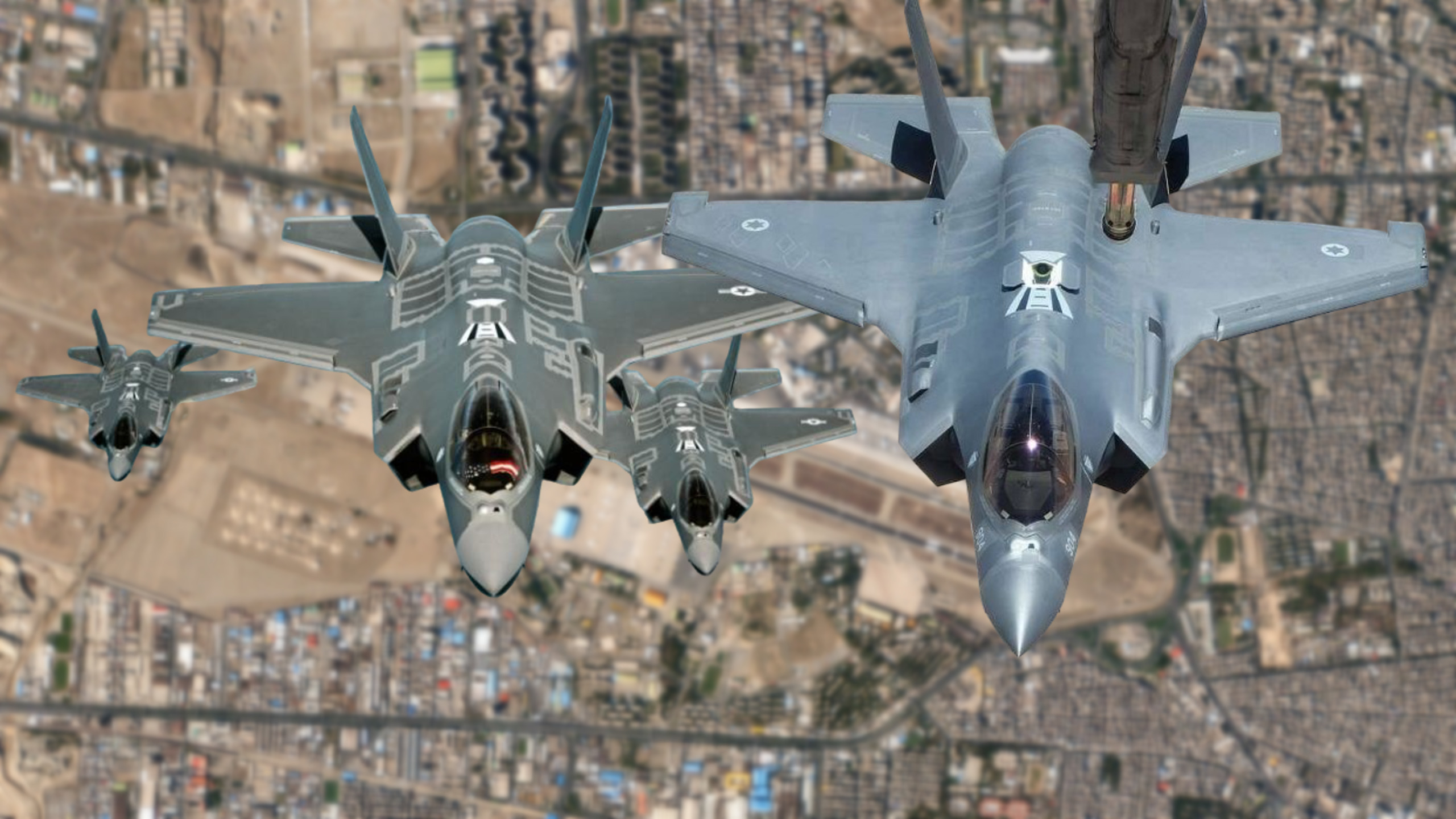
Israelis Split on Joining a US-Led Strike on Iran, New Poll Finds
Israelis are weighing big-war scenarios and big-policy gambles, and the public is anything but unanimous. A January 2026 survey by the Viterbi Family Center for Public Opinion and Policy Research at the Israel Democracy Institute found that 50% of Israelis favor joining a potential US attack on Iran only if Iran first attacks Israel, while 44% back direct Israeli participation coordinated with the United States from the outset.
Among Jewish Israelis, the split is nearly even: 48% support direct involvement and 46% prefer entering only if Israel is attacked. Arab Israelis tilt strongly toward conditional participation, with 67% in that camp and 25% backing direct involvement from the start.
Give the gift of hope
We practice what we preach:
accurate, fearless journalism. But we can't do it alone.
- On the ground in Gaza, Syria, Israel, Egypt, Pakistan, and more
- Our program trained more than 100 journalists
- Calling out fake news and reporting real facts
- On the ground in Gaza, Syria, Israel, Egypt, Pakistan, and more
- Our program trained more than 100 journalists
- Calling out fake news and reporting real facts
Join us.
Support The Media Line. Save democracy.
Politics sharpens the divide. Only respondents “fully on the Right” showed a clear majority for direct participation (62%), while left-leaning and centrist blocs preferred holding fire unless Israel is hit first.
The poll also tested other pressure points. Israelis, by 49% to 39.5%, said Prime Minister Benjamin Netanyahu’s plan to phase down US military aid to zero would harm Israel’s security. On President Donald Trump’s “Peace Council,” 51% said it is correct for Netanyahu to join even though US appointees include representatives of Turkey and Qatar; 19% answered “don’t know.”
National mood readings rose across security, democratic rule, the economy, and social cohesion. Yet Israelis remained divided over former Supreme Court President Aharon Barak’s claim that Israel is no longer a liberal democracy (48.5% agree, 45% disagree).
The survey was conducted January 25–29, 2026, with 604 Hebrew-language and 151 Arabic-language respondents; maximum sampling error was ±3.57%.
