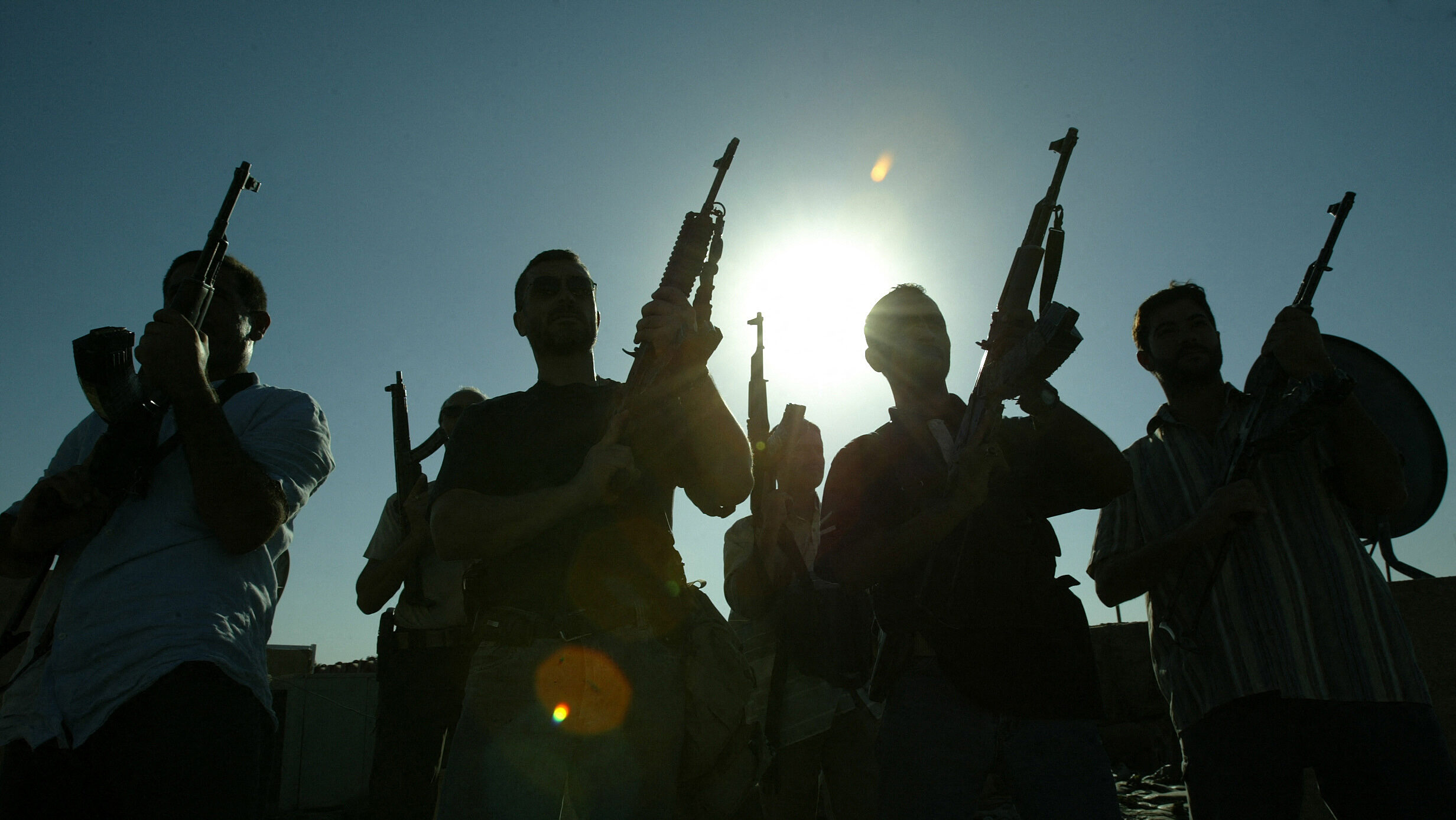
Private Military Companies Step Into Gaza’s Security Void as Ceasefire Holds
Nathan Klabin reports on the growing role of private military companies (PMCs) in the security vacuum in Gaza. With the second phase of the ceasefire approaching, the US-based PMC UG Solutions has deployed nearly 100 former US special forces operatives to manage a key checkpoint in Gaza. This controversial move has sparked debate over the use of PMCs in conflict zones, especially given their complex history in Iraq and Afghanistan.
The security arrangement, backed by Israel, the US, Egypt, and Qatar, seeks to maintain order without involving national forces. However, experts warn of significant risks. Dr. Eran Lerman of the Jerusalem Institute for Strategy and Security explains that Hamas is unacceptable as a governing force, the Palestinian Authority lacks the strength to assume control, and Israel wants to minimize its presence. PMCs, though not an ideal solution, offer a temporary fix.
Give the gift of hope
We practice what we preach:
accurate, fearless journalism. But we can't do it alone.
- On the ground in Gaza, Syria, Israel, Egypt, Pakistan, and more
- Our program trained more than 100 journalists
- Calling out fake news and reporting real facts
- On the ground in Gaza, Syria, Israel, Egypt, Pakistan, and more
- Our program trained more than 100 journalists
- Calling out fake news and reporting real facts
Join us.
Support The Media Line. Save democracy.
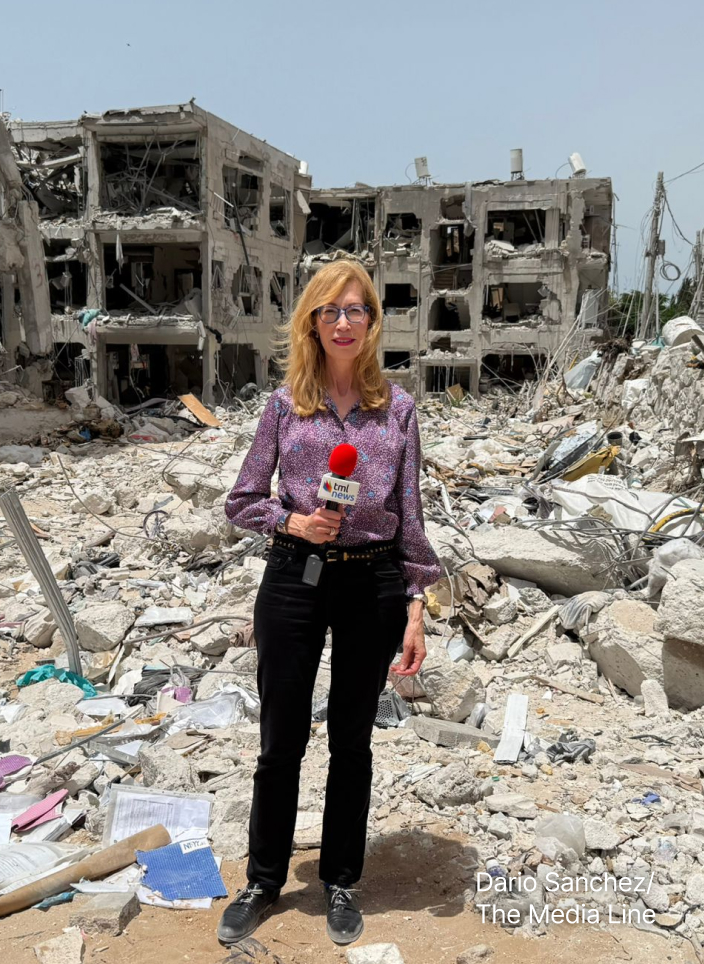
The arrangement is fragile, with security analysts like Dr. Neil Quilliam warning that Hamas or other militant groups may target the contractors. Their presence is unpopular among Palestinians, and any engagement in combat could escalate tensions. Dr. Andreas Krieg of King’s College London highlights the broader trend of security privatization but stresses that PMCs remain a high-risk solution.
While some experts suggest an international security force as a better alternative, no country is willing to commit troops. As Klabin reports, Gaza’s future remains uncertain, with PMCs filling a temporary gap in governance. To fully understand the stakes and implications, read the full article on The Media Line.

