QatarEnergy To Send up to 24 LNG Cargoes to Egypt in Summer 2026
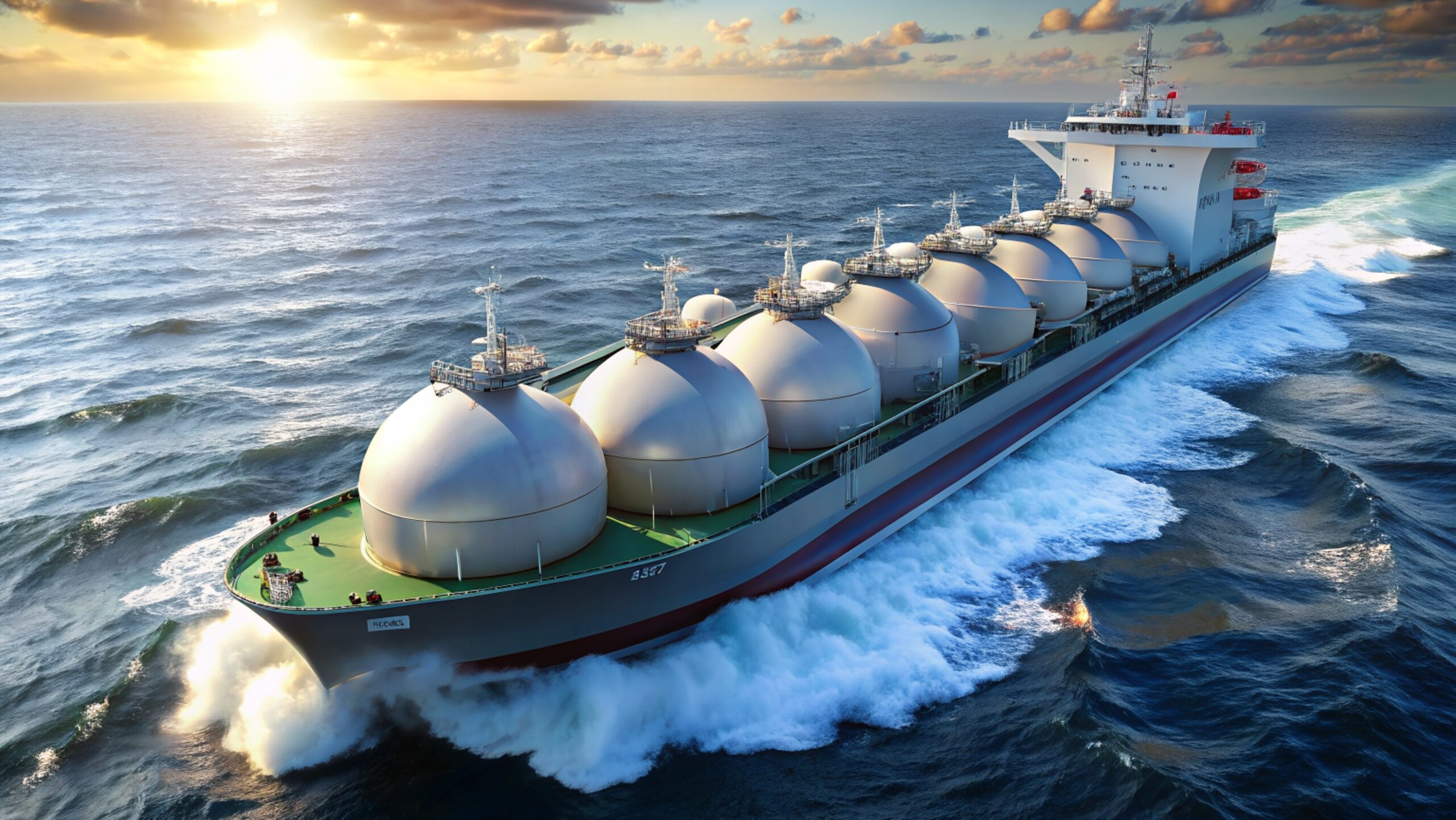
Qatar has agreed to send Egypt as many as 24 liquefied natural gas cargoes in the summer of 2026, QatarEnergy announced Sunday, as Cairo looks for reliable fuel deliveries ahead of peak-season electricity demand and ongoing pressure on domestic gas supplies. The arrangement was set out in a memorandum of understanding between QatarEnergy and Egypt’s Ministry of Petroleum and Mineral Resources, laying out how the shipments would be delivered and pointing toward longer-term deals.
QatarEnergy said the MoU “paves the way for more cooperation in the energy sector, including the long-term supply of LNG to Egypt.” Egypt’s ministry said the cargoes are expected to arrive at the ports of Sokhna and Damietta and described the agreement as part of a plan to diversify supply channels and cover local consumption needs.
Give the gift of hope
We practice what we preach:
accurate, fearless journalism. But we can't do it alone.
- On the ground in Gaza, Syria, Israel, Egypt, Pakistan, and more
- Our program trained more than 100 journalists
- Calling out fake news and reporting real facts
- On the ground in Gaza, Syria, Israel, Egypt, Pakistan, and more
- Our program trained more than 100 journalists
- Calling out fake news and reporting real facts
Join us.
Support The Media Line. Save democracy.

The deal also reflects Qatar’s broader push into Egypt’s upstream sector. Egypt’s ministry said QatarEnergy, already active in six offshore Mediterranean blocks, expects to add investment over the next five years and drill exploratory wells in partnership with major international energy companies.
For Egypt, the timing matters. The country has cycled between exporting natural gas and importing LNG as production fluctuates and demand rises, especially during the hottest months when power generation needs spike. Cairo has made increasing output a strategic priority while also hedging with import options when supply tightens.
Egyptian Prime Minister Mostafa Madbouly said in August last year that Egypt’s gas output was 4.1 billion cubic feet per day and projected it would climb to 6.6 billion cubic feet per day by 2027, reflecting hopes that new development and exploration can narrow the gap.
The MoU does not read like a one-off summer fix. It reads like two energy players setting the table for a longer relationship.
