Syria Pushes To Restore 1974 Separation Lines in Talks With Israel
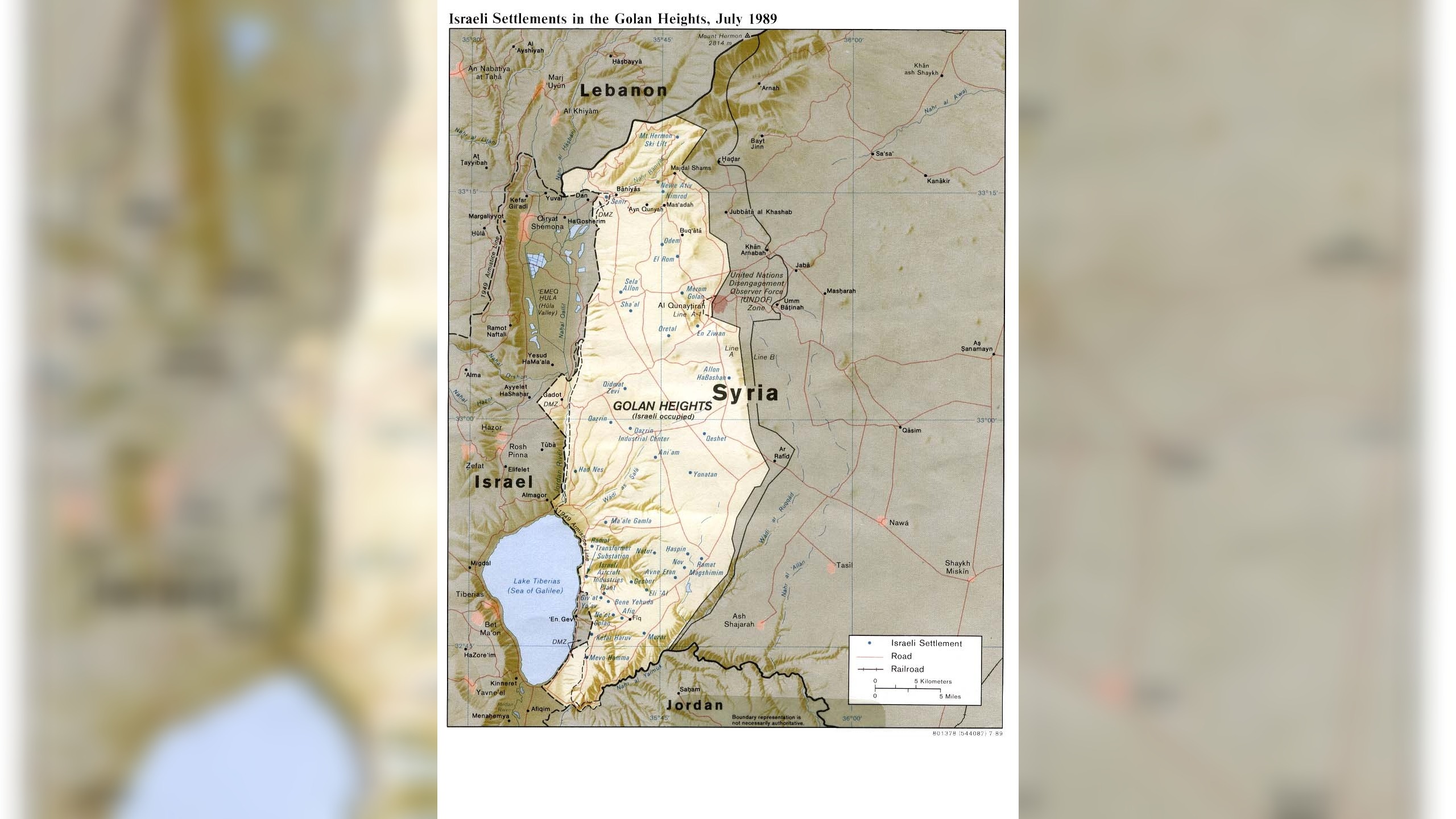
A Syrian interim-government delegation led by Foreign Minister Asaad Hassan al-Shaibani and General Intelligence chief Hussein al-Salama traveled to Paris for fresh talks with Israel, Syrian state media reported Monday, as Damascus pushes to reset the rules along the Golan Heights and reduce the risk of a new flare-up. The negotiations, according to SANA, center on reviving the 1974 Disengagement Agreement and pressing for an Israeli pullback to positions held before Dec. 8, 2024.
The 1974 accord, brokered after the 1973 Arab-Israeli war, established a ceasefire line and a United Nations–monitored buffer zone separating Syrian and Israeli forces on the Golan Heights, a strategic plateau Israel captured from Syria in 1967 and later annexed—an action not recognized by most of the international community. For decades, the arrangement has served as a basic guardrail: imperfect, frequently tense, but durable.
Give the gift of hope
We practice what we preach:
accurate, fearless journalism. But we can't do it alone.
- On the ground in Gaza, Syria, Israel, Egypt, Pakistan, and more
- Our program trained more than 100 journalists
- Calling out fake news and reporting real facts
- On the ground in Gaza, Syria, Israel, Egypt, Pakistan, and more
- Our program trained more than 100 journalists
- Calling out fake news and reporting real facts
Join us.
Support The Media Line. Save democracy.
SANA cited a government source saying Syria wants a security framework that reasserts full Syrian sovereignty and blocks outside interference in its internal affairs. Syrian officials have argued that restoring the agreement’s terms is essential to stabilizing the frontier and preventing escalation.
The talks come after the fall of the Bashar Assad government in late 2024, a shift that has unsettled long-standing security assumptions in southern Syria. Syrian state media has accused Israel of expanding its presence on the Golan following that collapse, including moves into areas covered by the demilitarized buffer zone.
For Damascus, the message is straightforward: put the separation lines back where they were, restore international monitoring, and keep the border from becoming another open wound in a region that already has too many.
