
War Enters New Phase: Khamenei Confirmed Dead as Israel Expands Strikes and Iran Intensifies Retaliation
The war between the United States, Israel, and Iran entered a far more dangerous phase by mid-afternoon Sunday, March 1, 2026, as Iranian state television confirmed that Supreme Leader Ayatollah Ali Khamenei was killed in the Feb. 28 joint US-Israeli offensive. The regime has declared 40 days of national mourning while senior clerics and political officials move quickly to manage succession in the Islamic Republic’s highest office.
Israeli officials say operations are ongoing. The campaign, known in Israel as Operation Roaring Lion, continued Sunday with additional strikes on military targets inside Iran after Tehran launched waves of ballistic missiles and drones toward Israel and US positions across the Gulf. Israeli defense officials describe the opening phase as a coordinated decapitation strike against Iran’s command structure, claiming dozens of senior military leaders were killed, and key air defense systems were degraded. Independent verification remains limited due to active hostilities and communications disruptions.
Give the gift of hope
We practice what we preach:
accurate, fearless journalism. But we can't do it alone.
- On the ground in Gaza, Syria, Israel, Egypt, Pakistan, and more
- Our program trained more than 100 journalists
- Calling out fake news and reporting real facts
- On the ground in Gaza, Syria, Israel, Egypt, Pakistan, and more
- Our program trained more than 100 journalists
- Calling out fake news and reporting real facts
Join us.
Support The Media Line. Save democracy.
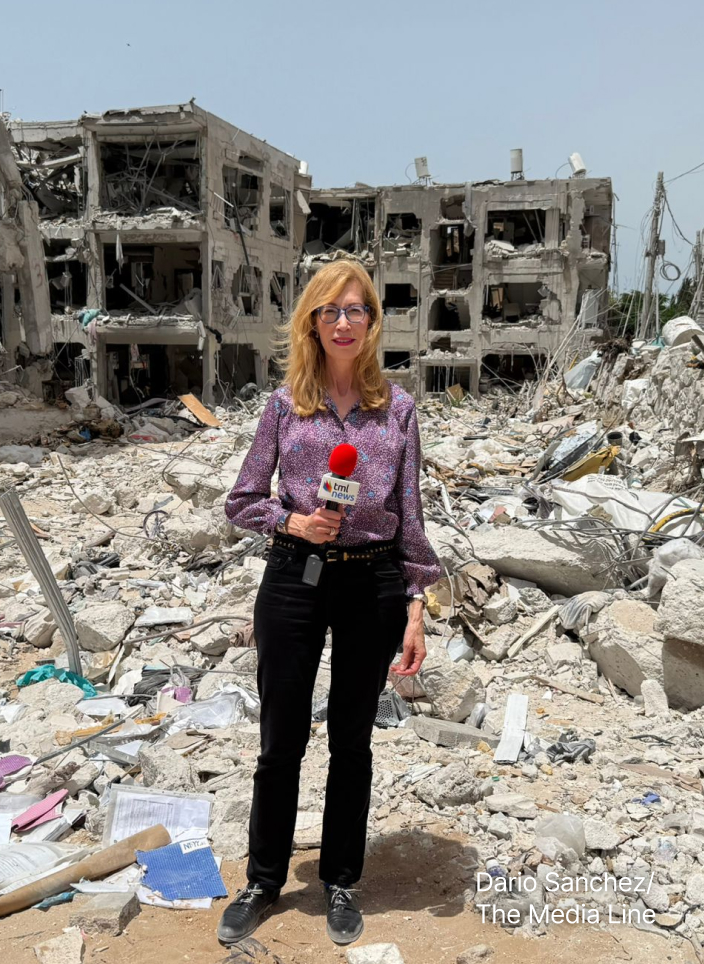
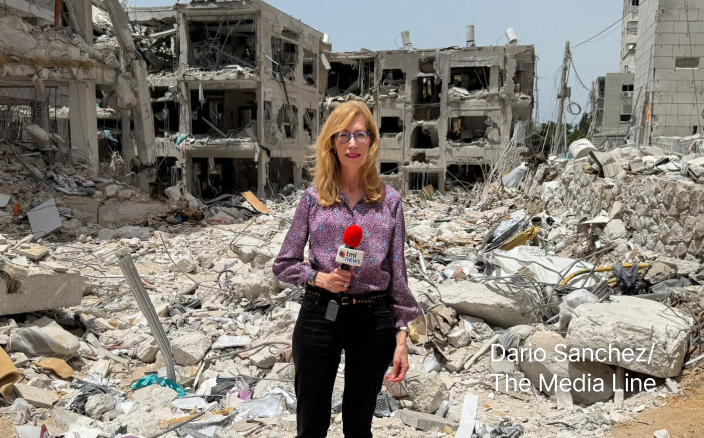
Inside Israel, the civilian toll has risen. At least four civilians were reported killed in central Israel after a ballistic missile penetrated air defenses. Dozens more were injured by shrapnel and falling debris as repeated sirens sent residents rushing to shelters. Schools remain closed nationwide, thousands of reservists have been mobilized, and a state of emergency remains in force.
Across the Gulf, countries hosting US forces—including Bahrain, Qatar, Kuwait, Saudi Arabia, and the United Arab Emirates—have activated air defenses amid Iranian missile launches. Some sustained damage from interceptions or debris. Regional airspace closures have disrupted hundreds of flights, stranding travelers and rattling global markets.
Iran’s interim leadership, including President Masoud Pezeshkian, has vowed retaliation, describing Khamenei’s killing as an act that demands revenge. Officials in Tehran say further missile waves remain possible. At the same time, security forces have been deployed in parts of the capital as authorities seek to contain unrest and maintain order during the leadership transition.
International reaction has been sharply divided. Some governments have condemned the strikes, while others emphasize Israel’s and Washington’s stated security rationale. Diplomats are urging restraint, but as the second full day of sustained combat unfolds, neither side shows signs of backing down—and the risk of a wider regional war remains acute.
