Hawaii Fires: Climate and Politics
Al-Ittihad, UAE, August 18
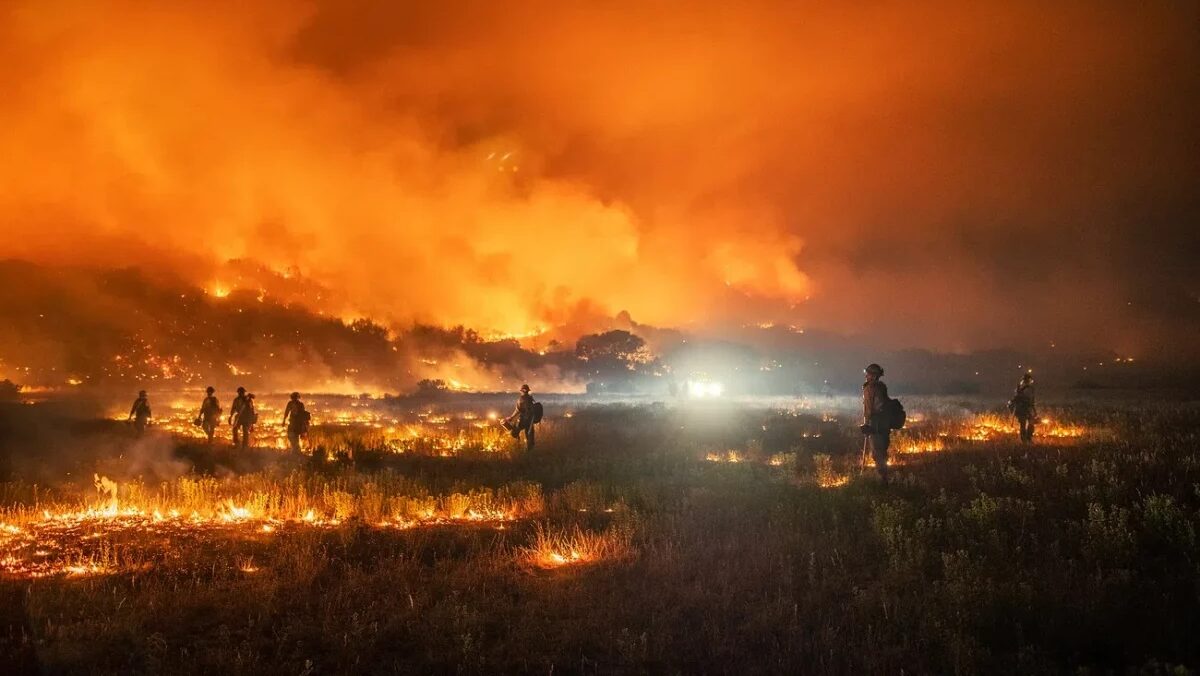
August is a month that many Americans associate with the holiday season, and one of the most sought-after locations to travel to is the Hawaiian Islands. Boasting temperate weather year-round, majestic beaches, and natural scenery, as well as easily accessible air travel to and from virtually anywhere in North America or Asia, it’s no wonder that Hawaii continues to pique tourists’ interests. Formally annexed by the United States in 1898 and becoming the 50th US state in 1959, many Native Hawaiians still opine that their islands were wrongfully taken by America in the distant past and still strive for independence. Nevertheless, due to its splendor, Hawaii, accompanying its fascinating culture and striking views, also carries some hefty price tags when it comes to housing, groceries, energy, and transportation. On August 8, high winds associated with a distant typhoon caused electrical power lines to come down, believed to be the cause of the devastating fires that occurred specifically on the island of Maui. Due to extremely dry vegetation, the fire quickly spread throughout the island, making its containment difficult and leading to the destruction of the town of Lahaina. The ensuing destruction has been the worst of its kind to occur in the United States in the past century. To date, more than 100 fatalities have been reported and this number is expected to climb. Nearly 3,000 houses have been destroyed, many owned by native Hawaiians for generations without mortgages or loans, which means they often have no homeowners insurance, leaving them with no means to recover their lost property or receive fair compensation. The population is facing a newfound vulnerability following this disaster. With few options for refuge, there is widespread fear of targeted exploitation by real estate developers, who aim to buy out their title deeds to make way for luxury accommodations that will not be accessible to local residents. The debate around this issue is growing fervent. There is no doubt that the devastation caused by the recent fires in Hawaii should serve as an urgent warning to every nation and society that is increasingly exposed to the weather-related disasters associated with global warming. Such disasters include powerful hurricanes and tropical storms, prolonged droughts that endanger crops and livestock, extreme rainfall leading to flooding, and abnormally hot summers and mild winters. Indeed, weather-related disasters disproportionately affect low-income households. These families are typically situated in areas vulnerable to such catastrophes and have less ability to withstand them, making them dependent on aid from governments and charities alike. When hit, these households tend to experience a loss of home and source of income, leading to increased migration, a crisis felt acutely in more affluent countries like Europe and North America. This influx then fosters a xenophobic political backlash. Most governments recognize the link between climate, migration, and political upheaval. Nevertheless, efforts to agree on a unified approach to address these growing crises have so far been unsuccessful. In the United States, politicians from both sides of the aisle have been unable to find a bipartisan solution to immigration. The Republicans blame the Biden Administration for the “chaos” at the border with Mexico, while the Democrats point to the lack of success of Trump’s so-called wall, which supposedly had been “paid for by Mexico.” Without policy reform, the only people truly benefiting are those profiting from human smuggling, who seem unlikely to cease their lucrative activity. —Geoffrey Kemp (translated by Asaf Zilberfarb)
Give the gift of hope
We practice what we preach:
accurate, fearless journalism. But we can't do it alone.
- On the ground in Gaza, Syria, Israel, Egypt, Pakistan, and more
- Our program trained more than 100 journalists
- Calling out fake news and reporting real facts
- On the ground in Gaza, Syria, Israel, Egypt, Pakistan, and more
- Our program trained more than 100 journalists
- Calling out fake news and reporting real facts
Join us.
Support The Media Line. Save democracy.