Israel and the Iran Nuclear Deal
Al-Arabiya, Saudi Arabia, January 23
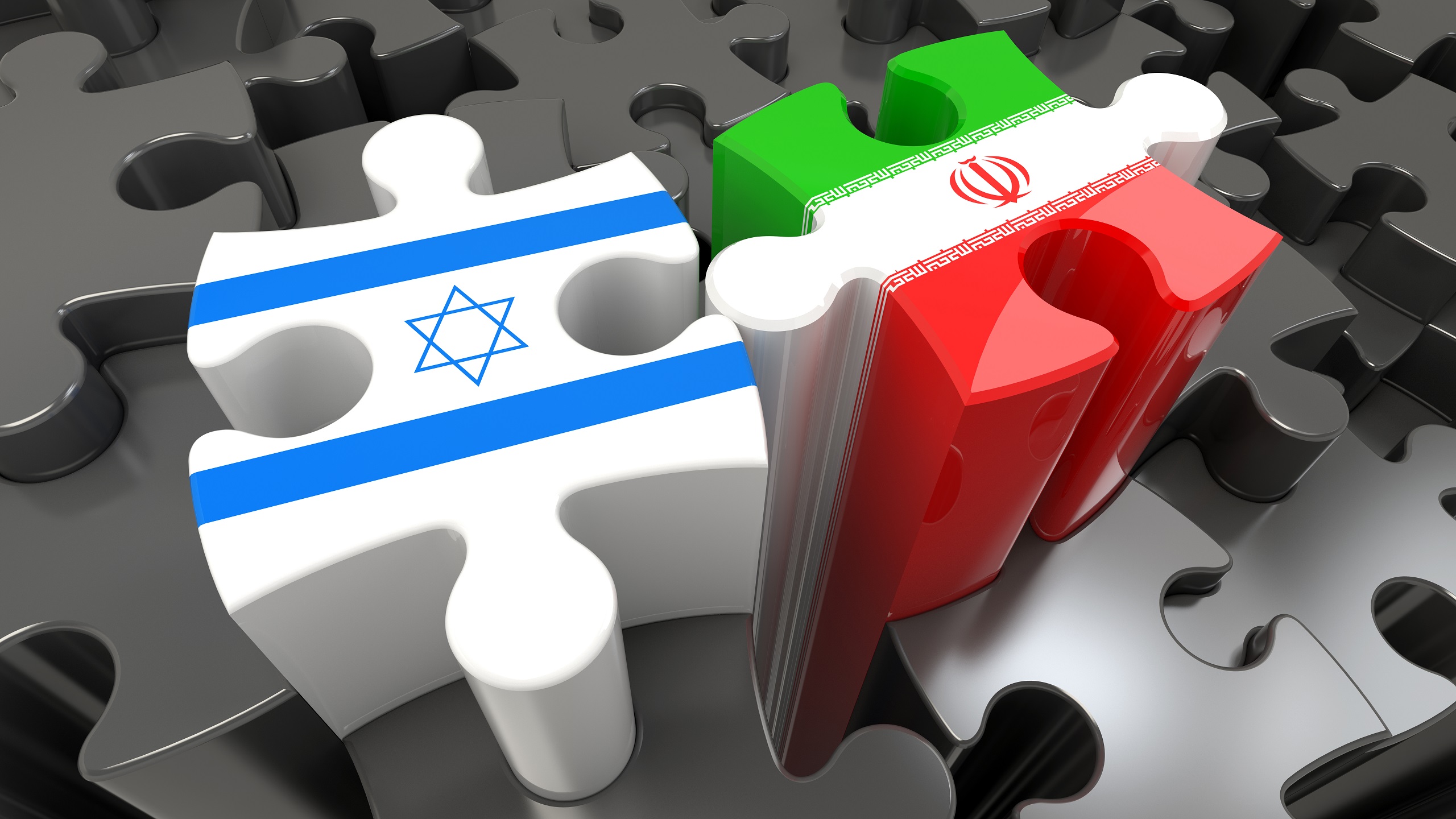
Israeli Prime Minister Naftali Bennett recently noted that Iran is at the top of the list of challenges to Israel, and that he is concerned about the ongoing Vienna negotiations that seek to revive the 2015 agreement. This coincided with a renewed political rhetoric about the necessity of reaching an agreement that would prevent Iran from acquiring nuclear capabilities, in addition to imposing restrictions on its development of the ballistic missile system, preventing its entrenchment in Syria, stopping its weapons transfers to Hizbullah and Hamas, and curbing its involvement in regional terrorism. If a new agreement doesn’t encapsulate and stop all of these activities, Israel would be prepared to roll out a military option that would target Iran. The Israeli focus is no longer on the nuclear threat alone, but also on Teheran’s aggressive practices in the region. Tel Aviv is working tirelessly to convince other countries of the necessity of setting a time limit for the negotiations in order to push Iran into making concessions. On the other hand, there is a growing camp in Israel consisting of security and political officials who support an agreement with Iran. This camp believes that Teheran could be forced to reach a compromise that includes everything related to both its nuclear program and ballistic missile program. In general, Israel vehemently opposes any return to the original agreement, as Washington wants, as this will mean enabling Iran to come closer to its goal of building a nuclear bomb, even if it doesn’t violate the agreement. The mullahs view such an agreement as a temporary pause rather than a complete termination of their nuclear program. Despite all of the above, Israel hopes that the Biden administration will succeed in achieving a breakthrough in the negotiations that will be palatable to the Israeli public. Maj. Gen. Aharon Haliva, head of the IDF’s Operations Directorate, recently told the Israeli government that it is better for Israel to have Iran reach an agreement than it is for the talks to collapse, which indicates a remarkable shift in the position of the Israeli military establishment. It is noteworthy that this change in recent Israeli assessments also consisted of a changing assessment of the Iranian position. Originally, the view in Israel was that Iran isn’t serious in its intentions and is simply exploiting the negotiations in Vienna in order to buy time. However, the current strategic assessment in Israel is that Iran is interested in reaching a deal. The Israeli question remains strategic and political: what would a binding deal consist of? And which loopholes are the mullahs already planning in order to evade responsibility and continue their covert activity? In the meantime, Israel will continue planning and preparing for a military option, but its leaders, even the skeptics, hope that diplomacy will come to the rescue. – Tarek Fahmy (translated by Asaf Zilberfarb)
Give the gift of hope
We practice what we preach:
accurate, fearless journalism. But we can't do it alone.
- On the ground in Gaza, Syria, Israel, Egypt, Pakistan, and more
- Our program trained more than 100 journalists
- Calling out fake news and reporting real facts
- On the ground in Gaza, Syria, Israel, Egypt, Pakistan, and more
- Our program trained more than 100 journalists
- Calling out fake news and reporting real facts
Join us.
Support The Media Line. Save democracy.