UN Security Council Resolution 2735 and the Future of the Gaza Crisis
Al-Masry Al-Youm, Egypt, July 18
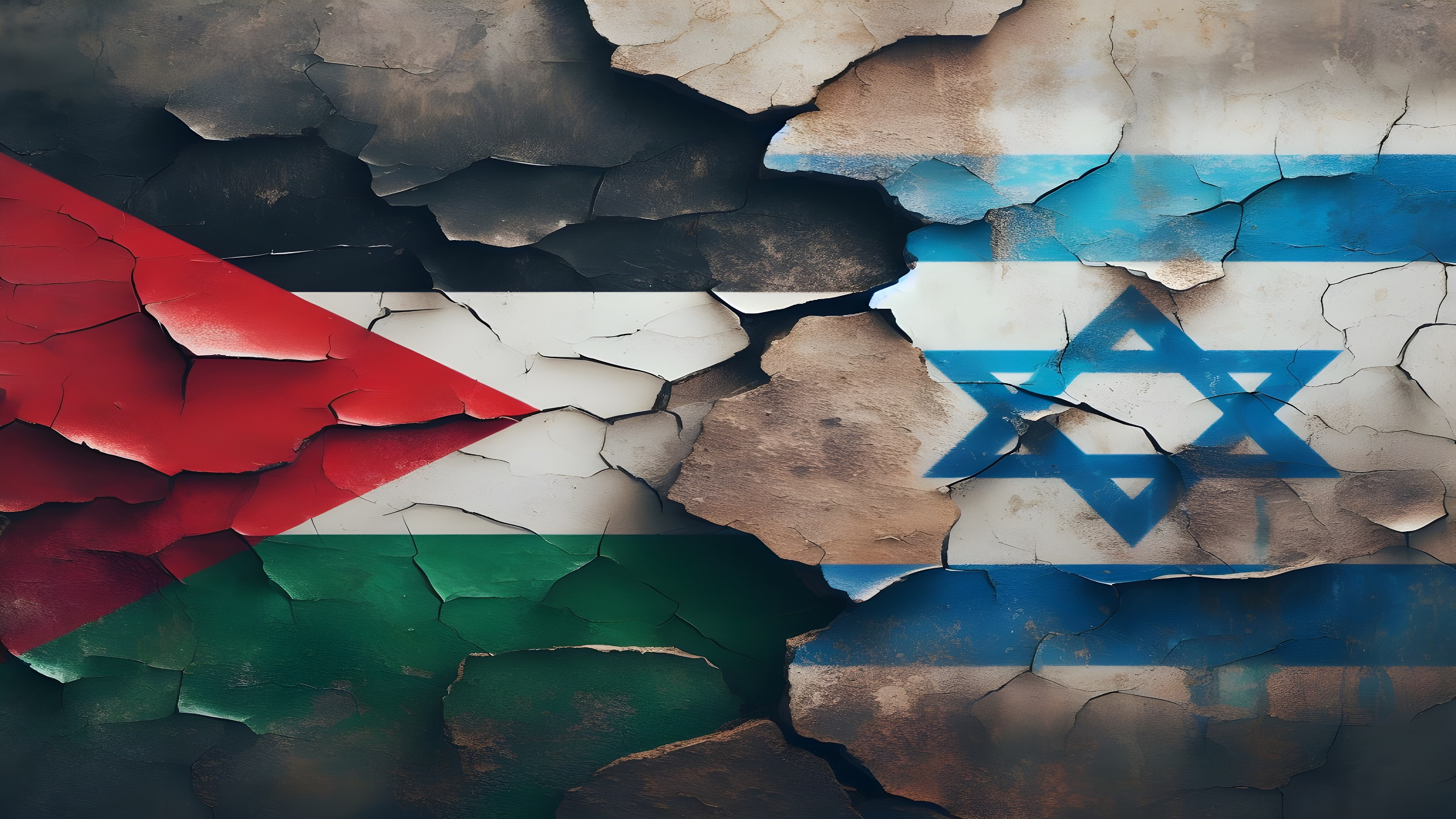
The Gaza crisis has persisted in a bloody, destructive spiral for over nine months. Amid this ongoing turmoil, intensive efforts have aimed to broker a multi-stage agreement to establish a permanent cease-fire, facilitate a gradual exchange of hostages and prisoners, provide substantial humanitarian aid, and rebuild the Gaza Strip. The UN Security Council adopted Resolution 2735, though it is far from a panacea due to its reliance on ambiguous language and the lack of strong interconnections among its three phases. Furthermore, the resolution fails to address accountability for the destruction inflicted on the Gaza Strip or for subsequent failures to meet obligations. This omission is particularly concerning, given the US permanent representative to the UN’s perplexing assertion during a previous Security Council session on Gaza (where Washington abstained) that the resolution is non-binding. Doubts abound regarding the faithful implementation of any steps agreed upon under this proposal. I share these concerns and have consistently argued that resolving the Gaza crisis necessitates addressing the root issue of the Israeli occupation. This approach is the only viable path to ending the cycle of violence. Nonetheless, I contend that UNSCR 2735 holds potential if completed and implemented with due diligence. The resolution’s key elements in its initial phases—calls for an “immediate and comprehensive cease-fire,” a “total cessation of hostilities,” and a “complete withdrawal of Israeli forces”—though couched in vague terms like “by agreement of the parties,” are critically important. Equally significant and often overlooked is that the same resolution adopted by the Security Council on June 10 categorically rejects any attempts to alter the Gaza Strip’s demographic or territorial status, including measures that would reduce its territory. These affirmations are crucial in light of Israel’s illegal establishment of security zones within Gaza’s perimeter, its control of the Philadelphi Corridor, and the creation of security routes that fragment the Strip’s territory. Moreover, the Security Council’s reaffirmation of its commitment to a two-state solution—where two democratic states, Israel and Palestine, coexist peacefully within secure and recognized borders—is of paramount importance. The international community and the Arab world must recognize that the Israeli occupation of Palestinian territories has persisted for nearly eight decades, particularly since 1967. Unaddressed status quo often solidifies into de facto realities, a painful lesson evidenced in the Middle East. While addressing pressing military and humanitarian concerns in Gaza is critical, it is equally vital to ensure that the crisis does not morph into another permanent, potentially violent status quo. I am gravely concerned that we are veering towards a perilous path, with Israel forcefully seizing territory and distinctly separating Gaza from the West Bank, together long considered the Palestinian state. This precarious status could become the new norm, even if an agreement is reached between Hamas and Israel. The current political landscape between Israelis and Palestinians does not inspire confidence in making resolute decisions, particularly regarding war and peace. The looming US presidential election in November 2024 further complicates strategic decision-making, distorting an already biased outlook. Irresponsible decisions now will have enduring consequences for all parties involved. Israel and Hamas must publicly commit to a two-state solution and renounce any demographic or territorial changes in Gaza. The UN Security Council, alongside UN bodies like the Economic and Social Council, WHO, WFP, UNRWA, UNHCR, and other relevant entities, should address these commitments and report transparently to the United Nations, the Security Council, and other involved parties. These reports should be integral to reviewing the resolution’s implementation. Hamas has welcomed UN Security Council Resolution 2735, implicitly agreeing to its three main points. However, greater clarity on its commitment to these points would be beneficial. Conversely, Israel’s silence on this matter has only deepened the ambiguity surrounding its intentions. Therefore, Tel Aviv’s clear and unambiguous declaration of its commitment to the resolution’s provisions is crucial. It is noteworthy that when the Oslo Accords were signed, Yasser Arafat, as chairman of the Palestine Liberation Organization, recognized Israel’s statehood. Therefore, no further steps are required from Mahmoud Abbas. Israel reciprocated by recognizing the PLO as the sole legitimate representative of the Palestinians, so additional assurances are not necessary. The current Israeli government’s staunch opposition to the two-state solution should not deter the Security Council, including the United States, from adhering to this pivotal issue. We must learn from history’s painful lessons: the subjugation and occupation of peoples foster anger and insecurity that no arsenal of weapons can quell. Asymmetric power dynamics and unequal rights exacerbate conflicts, extending beyond combatants to threaten civilians and societal stability. Furthermore, actions and statements by Israeli officials defy the vision of a two-state solution, reflecting illegal and prohibited territorial and demographic changes. Such actions must not be condoned. Security Council Resolution 2735 should be viewed as a comprehensive framework that must be fully adopted and implemented. This includes halting any territorial changes in Gaza and steadfastly pursuing Palestinian-Israeli peace. —Nabil Fahmy (translated by Asaf Zilberfarb)
Give the gift of hope
We practice what we preach:
accurate, fearless journalism. But we can't do it alone.
- On the ground in Gaza, Syria, Israel, Egypt, Pakistan, and more
- Our program trained more than 100 journalists
- Calling out fake news and reporting real facts
- On the ground in Gaza, Syria, Israel, Egypt, Pakistan, and more
- Our program trained more than 100 journalists
- Calling out fake news and reporting real facts
Join us.
Support The Media Line. Save democracy.