Islamic Republic Executes 3 Uprising Protesters on Eve of Iranian New Year
Dawn hangings in Qom follow torture confessions; fears mount for hundreds at risk as regime retaliates
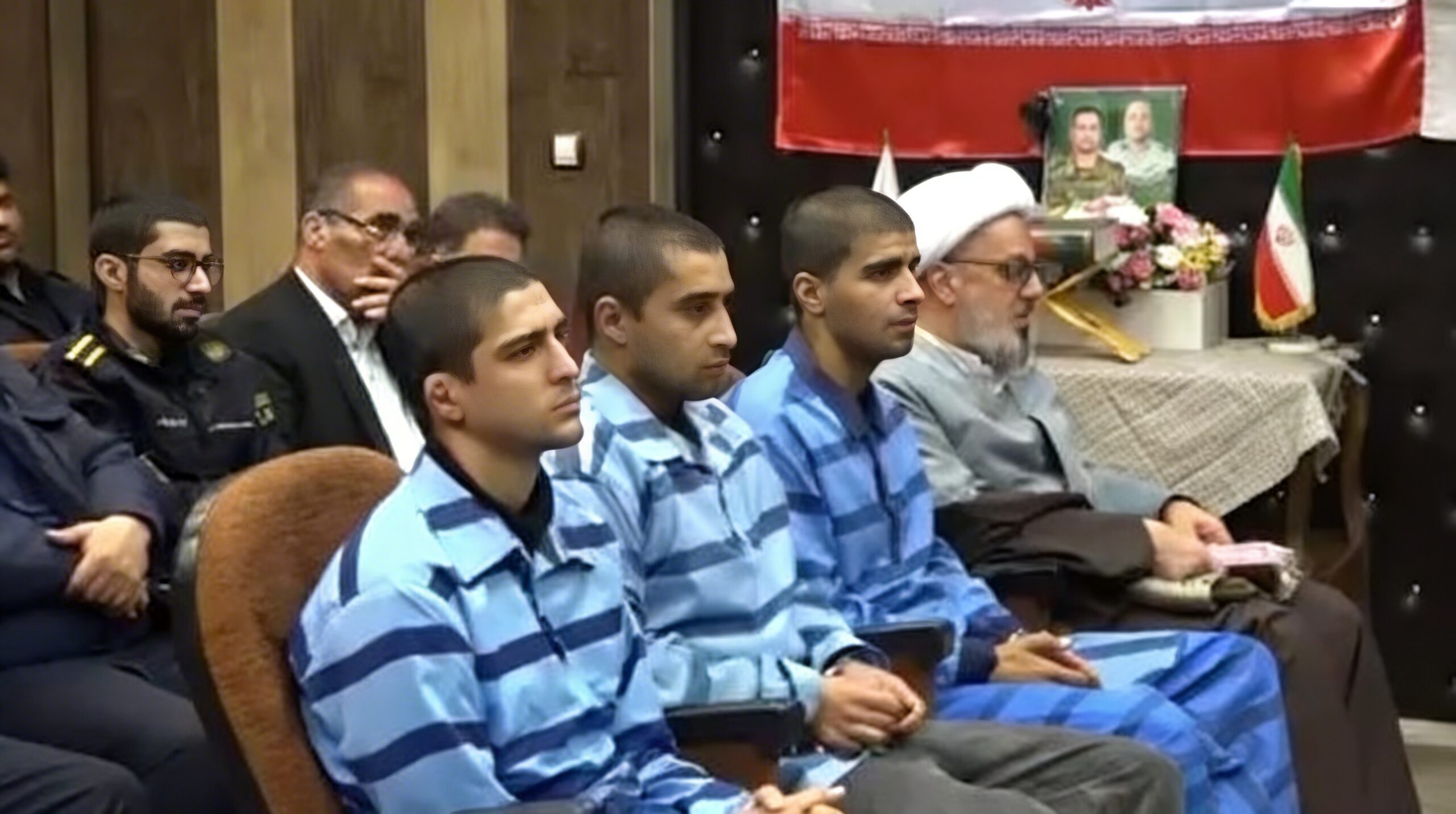
In the early hours of Thursday morning, just one day before the Iranian New Year, the Islamic Republic executed three protesters from the January uprising, in what human rights activists describe as a clear case of “state terror.”
Saleh Mohammadi, 19, Saeed Davoudi, 22, and Mehdi Ghasemi, believed to be in his early 20s, were executed on charges of “participation in the murder” of police officers in the city of Qom during clashes on Jan. 8-9. Human rights activists say the three were arrested following the bloody crackdown on the protests and were forced, under torture, to confess to crimes they did not commit.
A summary trial sentenced Mohammadi to death and Davoudi to life imprisonment. Despite Mohammadi retracting his confession in court—stating it had been extracted under torture—and insisting on his innocence, the court dismissed his defense based on testimony from regime agents. Although Davoudi had not initially been sentenced to death, he was ultimately executed alongside Mohammadi, a former member of Iran’s national freestyle wrestling team.
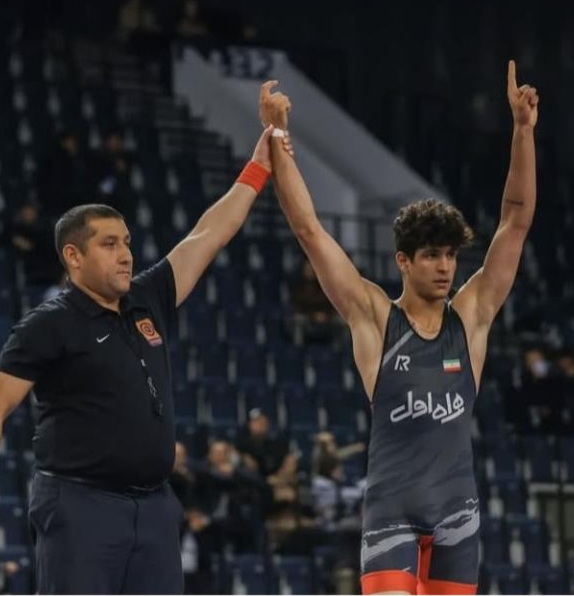
Saleh Mohammadi was a member of Iran’s freestyle wrestling team and had won a medal at the World Championships. (Social media)
Mehdi Ghasemi, in a separate case involving the killing of a police officer during the same clashes in Qom, was sentenced to death on charges of “enmity against God” (moharebeh). While the regime’s judiciary accused the three of links to the United States and Israel, no evidence was presented to substantiate any connection to foreign governments.
These executions must be regarded as extrajudicial killings carried out to instill fear and suppress political dissent
“Those executed today were sentenced to death following extremely unfair trials and based on confessions obtained under torture and coercion,” Mahmood Amiry-Moghaddam, director of Iran Human Rights, told The Media Line. “These executions must be regarded as extrajudicial killings carried out to instill fear and suppress political dissent, amounting to state terrorism. The Islamic Republic is fighting for its survival and knows that the greatest threat to its existence comes from the people of Iran, who are demanding fundamental change,” he added.
In the early hours of Wednesday, Mizan News Agency—affiliated with the judiciary—reported the execution of Kourosh Keyvani on charges of spying for Israel. He had been arrested during the 12-day war between Israel and Iran in June 2025. The intelligence arm of the Islamic Revolutionary Guard Corps claimed he was detained in a villa near Tehran with specialized espionage equipment and accused him of providing sensitive information about the country’s facilities to Israel.

Kourosh Keyvani, a Swedish-Iranian citizen, was executed at dawn on Wednesday following a trial on charges of spying for Israel. (Screenshot: YouTube)
Keyvani was one of several individuals executed in recent months on charges of espionage for Israel and collaboration with the Mossad. The judiciary’s news agency released a video of his apparent confession, in which he appeared to struggle to recall and recite a pre-written script.
The execution of protesters and other citizens comes as the Islamic regime faces mounting domestic pressure, amid fears of widespread protests, and an ongoing war with the United States and Israel. Human rights activists interpret these executions as acts of retaliation against political and security prisoners. They warn that dozens, or even hundreds, of additional detainees are at imminent risk of execution without notice.
Give the gift of hope
We practice what we preach:
accurate, fearless journalism. But we can't do it alone.
- On the ground in Gaza, Syria, Israel, Egypt, Pakistan, and more
- Our program trained more than 100 journalists
- Calling out fake news and reporting real facts
- On the ground in Gaza, Syria, Israel, Egypt, Pakistan, and more
- Our program trained more than 100 journalists
- Calling out fake news and reporting real facts
Join us.
Support The Media Line. Save democracy.


Since the outbreak of war, hundreds of individuals across Iran have been arrested on various charges, including sending videos to Persian foreign-based satellite television networks.
In conversations with the families of detainees, they say they have no information about the arresting authority, the detainees’ whereabouts, or the charges against them
“In conversations with the families of detainees, they say they have no information about the arresting authority, the detainees’ whereabouts, or the charges against them,” Shilan Mirzaei, a human rights activist, told The Media Line.
“Due to the chaos within the security and judicial bodies under wartime conditions, there has been no accountability. There is also serious concern about the possibility of unlawful, summary trials for detainees,” she added.
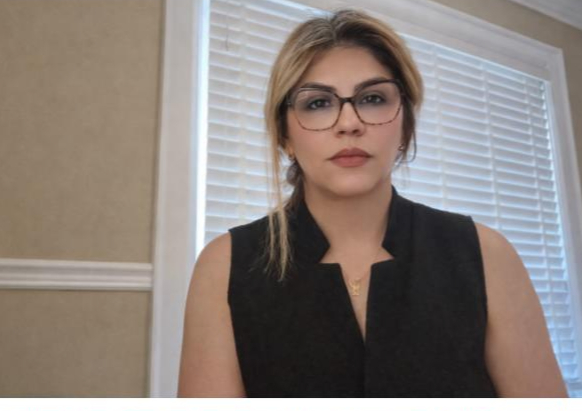
Shilan Mirzaei, a human rights activist, says that in recent days, hundreds of people have been arrested, and because of the chaos following the war, the fate of most of them remains unknown. (The Media Line)
Mirzaei noted fears that the Islamic Republic may seek revenge against political prisoners and others accused of espionage and arrested during the war, as a response to its humiliation in the conflict.
The Human Rights Activists News Agency has also reported the arrest of hundreds of individuals in recent days. The Iranian Ministry of Intelligence—whose minister was recently assassinated—said it detained 97 people, including 67 accused of planning to incite “rebellion” in the final days of the Iranian year. Some were reportedly involved in the January protests.
Police intelligence authorities also announced the arrest of several individuals in Tehran on charges of supporting opposition groups and collaborating with hostile countries, allegedly planning to “attack checkpoints.” A video of an alleged forced confession by a woman claimed to be part of this group has also been released.
A Tehran resident told The Media Line on Thursday evening that a relative had been arrested days earlier in a midnight raid. According to the witness, heavily armed, masked agents dressed in black stormed the home, terrifying the family, and arresting the individual “in a violent and frenzied manner.” The agents provided no identification, no charges, no warrant, and no information about where the detainee was being taken.
Since then, the family’s attempts to obtain information have failed, as official channels remain unresponsive and many of their offices have been evacuated due to fears of airstrikes. The source added that the detained individual was not politically active, did not have internet access, and had not engaged in any conduct that could justify such a violent and apparently unlawful arrest.
Human rights activists continue to warn of the danger facing political prisoners.
Reports indicate that an even greater number of those arrested during the January uprising have been executed in secret
“While hundreds remain at risk of execution and death sentences have already been issued for a number of detainees, reports indicate that an even greater number of those arrested during the January uprising have been executed in secret.” Shiva Mahboubi, spokesperson for the Campaign to Free Political Prisoners in Iran, told The Media Line.
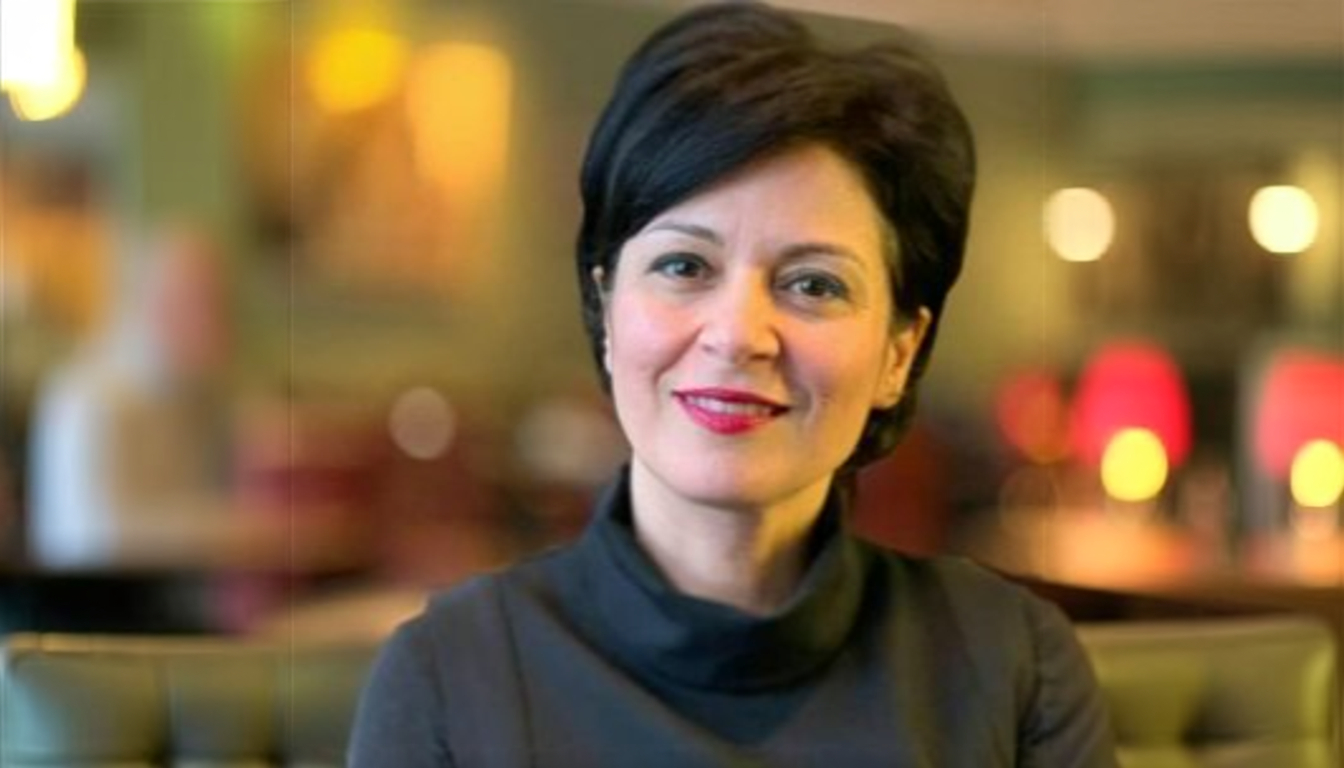
Shiva Mahboubi, a human rights activist who has campaigned against the death penalty for years, says that a large number of detained protesters have been secretly executed. (Saeed Parto/Wikimedia Commons)
“There are mounting concerns that the regime may continue to carry out covert executions to avoid their inclusion in official execution records. Alternatively, detainees may be deprived of medical care or subjected to severe food shortages—effectively amounting to a “silent execution,” she added, noting that such practices risk remaining largely hidden from the scrutiny of the international community.
Among those at risk of execution is 18-year-old Melika Azizi, who faces possible capital charges of “enmity against God” and “burning the flag of the Islamic Republic” in Masal, a city in northern Iran. She was reportedly beaten during arrest and is under intense pressure in Lakan Prison near Rasht to provide a confession.
At the same time, deeply concerning reports have emerged regarding conditions in Iranian prisons, including Evin, Qarchak women’s prison, and Fashafouyeh. The information points to severe disruptions in basic services, including food provision, increased mistreatment, suspension of medications, and the severing of communication with the outside world.
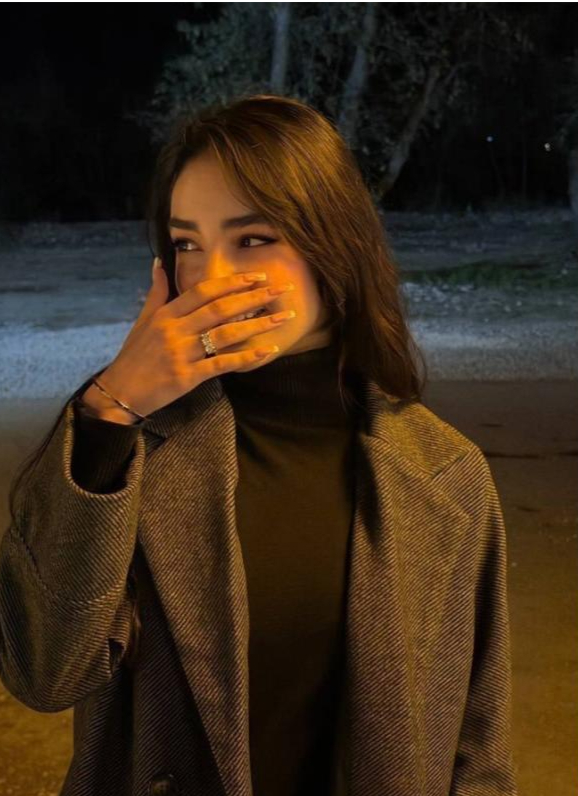
Human rights activists say that dozens, and possibly even hundreds, of imprisoned protesters are at risk of receiving death sentences. One of them is 18-year-old Malika Azizi, who is being held on the outskirts of Rasht. (Social media)
Many families say they have been unable to meet with detainees in recent weeks. The Narges Mohammadi Foundation—named for the Nobel Peace Prize laureate, who has once again been imprisoned—warns of an imminent humanitarian crisis in Iran’s prisons. A family member of a political prisoner in Iran confirmed to The Media Line that when relatives went for a visit on Thursday, they were abruptly told that visits were banned and that some prisoners had been transferred elsewhere.
