
The Day After the Attack, Australian Jews Ask, What Comes Next?
Australian Jewish community member Menachem Vorcheimer: “We’ve been gaslit. This government is an abject failure, and they simply do not care about Jewish lives.”
There was little difference between the violence Israel experienced at the hands of Hamas on Oct. 7, 2023, and the attack on the Jewish community in Australia on Sunday, according to Joel Burnie, executive manager at the Australia/Israel & Jewish Affairs Council.
Speaking to The Media Line the morning after a deadly shooting attack killed at least 15 Australians and left several dozen more wounded, Burnie said, “It’s just such a tragedy. The correlation between the two events is very strong, very real.”
While Jewish tradition dictates that the dead should be buried quickly, community leaders say the impact of the attack will be long-lasting. Many described it as a turning point for Australian Jewry, even if the violence itself was not entirely unexpected.
Christian Zionist journalist and influencer Erin Molan said the attack unfolded just steps from her home.
“We had gunmen less than a kilometer from where I live,” Molan said. “My daughter and I were on the balcony. We heard the gunshots, and it was horrific. I knew straight away that this had to be aimed at the Jewish community.”
She said the emotional shock was profound, but the attack did not come as a surprise.
This is the culmination of a buildup of so much hate, so much weakness, and not only leadership, but a community that was unwilling to shut it down
“The community is in shock, absolutely. But if I were to say we were surprised, I would be lying,” Molan said. “This is the culmination of a buildup of so much hate, so much weakness, and not only leadership, but a community that was unwilling to shut it down.”
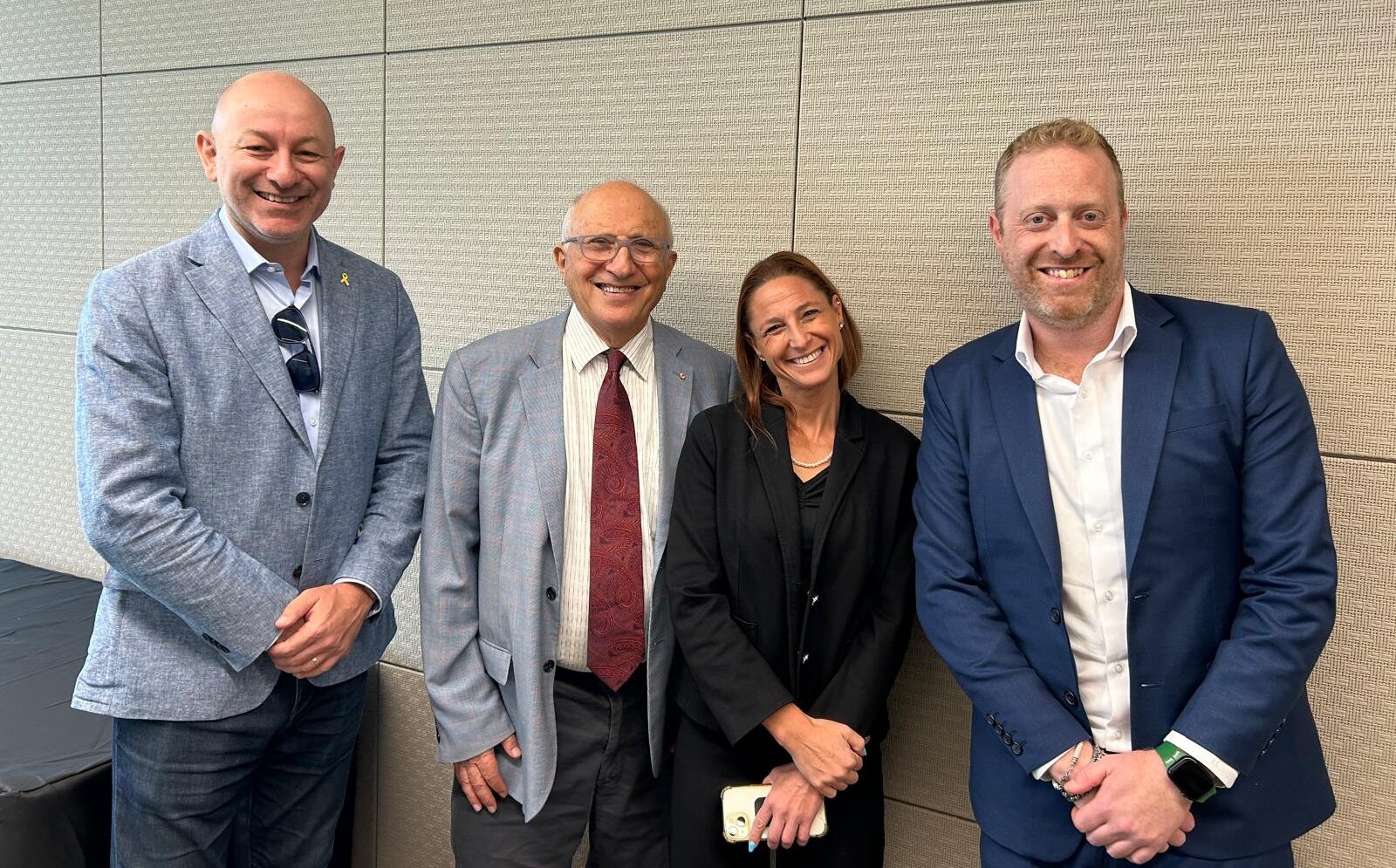
Maayan Hoffman (center) with Joel Burnie (far right) just days before the attack. (Maayan Hoffman/The Media Line)
That sentiment was echoed repeatedly by Jewish community members who said the warning signs had been visible for some time.
“The writing was on the wall,” said Australian Jewish community member Simonne Whine.
“We’ve been shouting from the rooftops, and our government hasn’t been listening,” she added.
The number of antisemitic attacks in Australia, including violent incidents, has been rising since the start of the war. Reports by the Executive Council of Australian Jewry showed a nearly fivefold increase, although attacks dropped slightly between 2024 and 2025.
Even before Sunday’s shooting, the Jewish community was already on edge. Many reported hiding their Jewish identity for fear of retaliation. Still, multiple interviewees said that the sense of fear pales in comparison to how Jews are feeling now.
Yossi Goldfarb, the immediate past president of Zionism Victoria and a father of three boys in their late teens and early 20s, told The Media Line, “I’ve never seen them scared in my life,” adding, “They are now.”
Goldfarb said the community is divided over how to respond. Some believe Jews need to gather together and show strength and defiance, while others are afraid even to venture outside.
We’ve been shouting from the rooftops, and our government hasn’t been listening
“It’s a community that’s in shock, and a community that really just doesn’t know what should happen next,” he said.
Beyond shock, the community is also grappling with trauma. United Hatzalah has dispatched a team of psychotrauma specialists to Australia to assist. In the meantime, stress and sadness are widespread, said Jewish community member Menachem Vorchheimer.
On the day of the attack, Vorchheimer said he panicked as he tried to reach his best friend and his friend’s son, both of whom he feared may have been near the scene. He said he personally knew several of those who were murdered and that names were still emerging.
Give the gift of hope
We practice what we preach:
accurate, fearless journalism. But we can't do it alone.
- On the ground in Gaza, Syria, Israel, Egypt, Pakistan, and more
- Our program trained more than 100 journalists
- Calling out fake news and reporting real facts
- On the ground in Gaza, Syria, Israel, Egypt, Pakistan, and more
- Our program trained more than 100 journalists
- Calling out fake news and reporting real facts
Join us.
Support The Media Line. Save democracy.
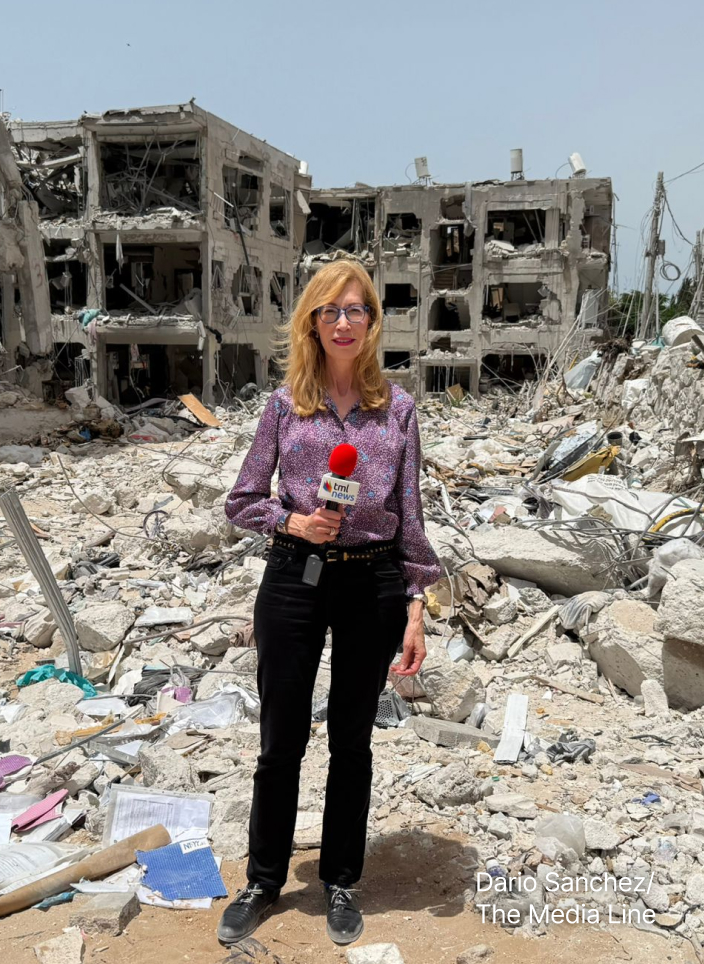

“It’s massive,” he told The Media Line. “It’s not abstract. It’s real.”
Molan expressed deep frustration with public figures she believes fueled hostility toward the Jewish community.
“If I see one more, one more person who I have watched for two years stoke these flames and encourage hate against this community, if I see one more of them saying they are horrified by what occurred, I’ll lose my s—t,” Molan said, raising her voice. “It’s too late now, and it doesn’t mean anything. When it actually mattered was before lives were lost.”
She said she has lost faith in her country.
Burnie said he now views any statements he made before Sunday, suggesting antisemitism might improve, as “misplaced optimism.”
He acknowledged that for the past two years, the Australian Jewish community, like many diaspora Jewish communities, has been under siege. He said Jews have been attacked from multiple parts of society, including the intersectional liberal left, the progressive left, segments of the Australian Islamic community, and the ultranationalist or neo-Nazi right.
“For two years, from violent words on the streets of Melbourne and Sydney, to firebombing and vandalism of cars and businesses, to the burning down and torching of synagogues, to vandalism and targeting of Australian Jewish schools, to the targeting of Australian Jewish officials, it has been escalating,” Burnie said. “Now we have got to this point where blood has been spilled, where Jewish leaders have been begging and demanding action from the government and not receiving it.”
He said the government failed to protect its citizens.
That frustration is widely shared within the community. Goldfarb said anger toward the government has been growing.
“I think there’s a lot of anger in the community toward the government,” Goldfarb said. “I know that a lot of people, including myself, would normally vote for the more progressive side of politics. But we changed our votes in the last election. We weren’t happy that the government had returned.”
While Goldfarb said he blames the perpetrators, not the government, for the attack itself, he believes accountability is still required. He referenced a familiar sports saying.
“When your team loses, we say we need to take a good, long, hard look at ourselves,” he said. “And I think that’s what the government needs to do.”
Vorchheimer took the criticism a step further. He said he personally wrote to the prime minister multiple times, warning that an incident like Sunday’s attack was inevitable, but received no response.
“Israel is in the middle of a war,” Vorchheimer said. “We should feel less safe being in Israel than we do in Australia. But we don’t. We’ve been gaslit. This government is an abject failure, and they simply do not care about Jewish lives.”
With the community reeling, the question now is whether the government can redeem itself, and what concrete steps must be taken to prevent further violence.
“It’s never too late,” Burnie said.
He noted that the government appointed an antisemitism envoy earlier this year, who released a report in June 2025 outlining recommendations to curb the problem in Australia. So far, none of those recommendations have been implemented.
“That is one very simple thing that the government can do, just to take the recommendations of their own appointed antisemitism envoy and actually put those instruments and those policies into law,” Burnie said.
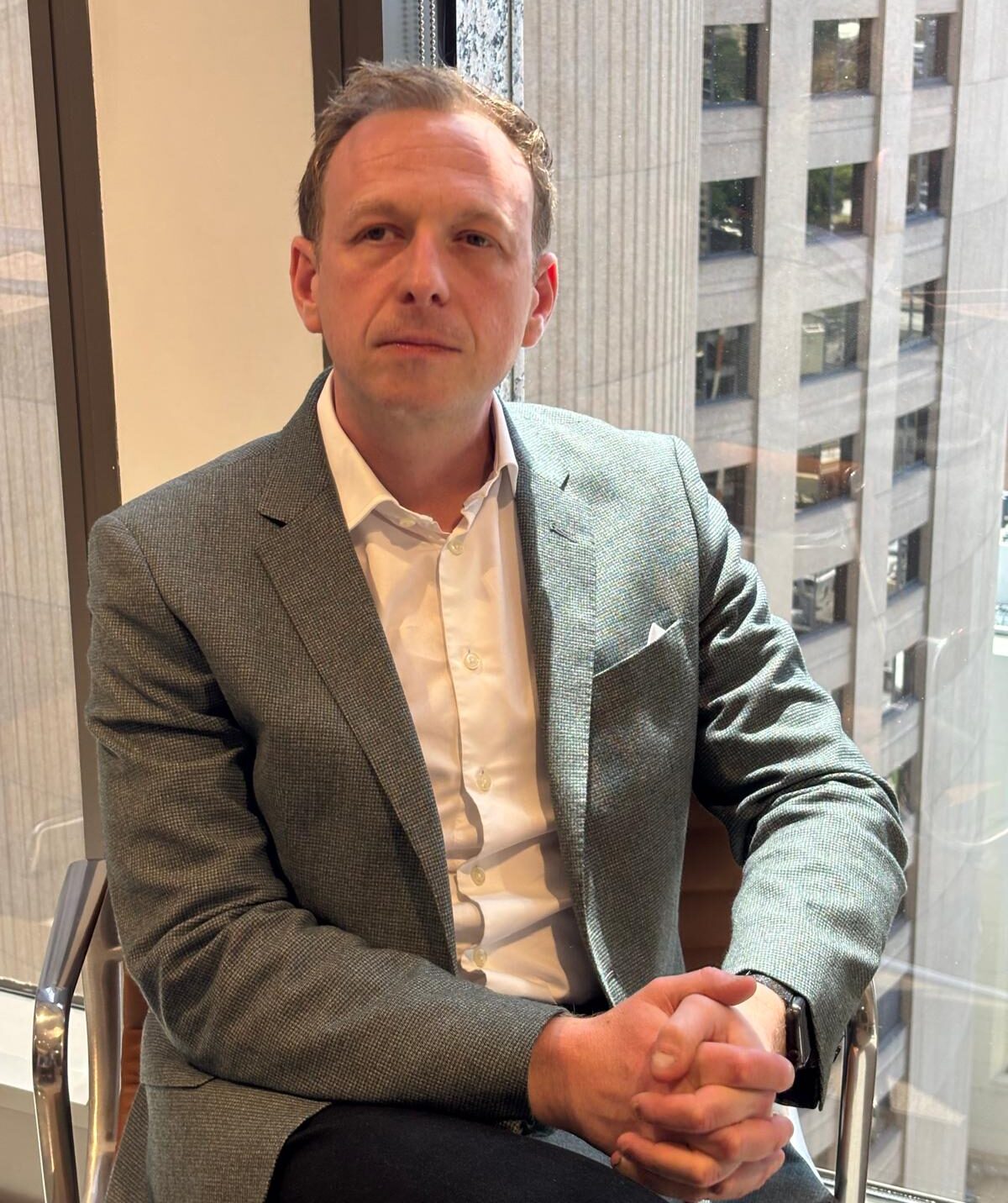
Jeremy Leibler, president of the Zionist Federation of Australia. (Maayan Hoffman/The Media Line)
Beyond legislation, the government can also take steps to send a clear message to those who have weaponized the past two years as a means of attacking the Jewish community, said Jeremy Liebler, president of the Zionist Federation of Australia. However, he questioned whether the government is willing or able to take that stand.
“The cat is out of the bag at the moment,” Liebler told The Media Line. “Once antisemitism sort of rears its ugly head, inevitably, as we know from history, it is tough to put back inside the box.”
For many, the damage has already been done.
“It’s too late for the people who’ve lost their lives,” Molan said, with tears in her eyes. “It’s too late for a community that will never, ever feel safe in their homes ever again.”
As a result, some Australian Jews are now considering leaving the country altogether. Many are looking to move to Israel, a step known as making aliyah. Goldfarb said he is already weighing his options, and Whine expressed similar thoughts.
“I’ve lived here my whole life. I’m an Aussie. I was born here. My grandparents came to this country as Holocaust survivors and loved this country,” Whine told The Media Line. “I would never have wanted to leave. And right now, I don’t feel like this is my country anymore.”
Burnie confirmed that aliyah applications spiked after Oct. 7 and said he now expects them to rise even further.
“There is an open question as to whether or not there is a future for Australian Jews,” he said. “But it appears as though, from the events that occurred just last night, that we already have the answer to our question.”
However, Liebler said he refuses to accept that conclusion.
I would never have wanted to leave. And right now, I don’t feel like this is my country anymore
“We are not going to crawl into a hole or hide behind brick walls,” Liebler said. “We are a very strong, passionate, resilient, informed Jewish community. We are not trembling Jews, and we will do whatever it takes to protect ourselves from antisemitism and to ensure that Jewish life can continue to flourish in this country unhindered.”
He added that while the community will be forced to strengthen its security further, it will also invest just as heavily in raising a new generation of proud, educated, passionately Zionist Jews. He said that effort must be grounded in a strong sense of identity and belonging within the broader story of the Jewish people.
“Recent events demonstrate that it’s more important than ever for us to invest in Jewish identity and Jewish education and our connection to Israel,” Liebler told The Media Line.
Burnie, meanwhile, called on the silent majority to speak out.
“We’ve all been talking about a silent majority,” he said. “It’s enough that the majority has to cease to be silent. If they’re silent, then who cares if they’re a majority?”
Molan agreed and pushed the point further.
“If this is not a wake-up call to every non-Jewish Australian, then I don’t know what is,” she said. “If you think because you aren’t Jewish you are safe from this hate, then you are deluded.”
She acknowledged that she worries for her young daughter, knowing that her child could be targeted because of her mother’s Zionist views. At the same time, Molan said she will not leave Australia, stop speaking out, or stop fighting.
“It gets louder,” Molan stressed. “It needs to get louder, not just from those of us who already speak, but from everyday Australians who refuse to accept this in their country.”
