Iraq Receives 4,583 of Planned 7,000 ISIS Detainees From Syria and Begins Investigations
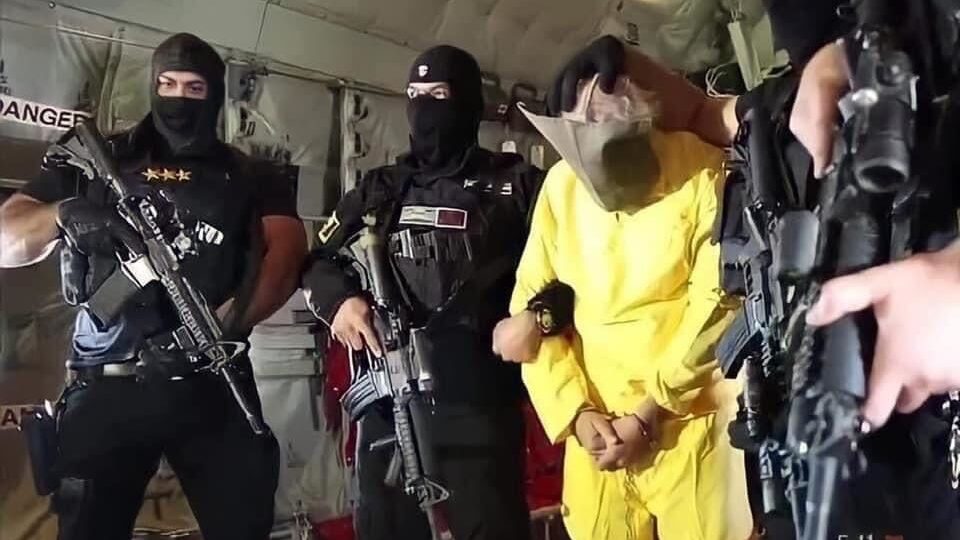
Iraq has so far received 4,583 members of the Islamic State (ISIS) organization who were detained in Syria as part of a plan that began last month to transfer up to 7,000 detainees, according to an Iraqi official who spoke to AFP on Tuesday. This step comes as part of efforts to ensure that the terrorists remain in secure detention facilities and to allow Iraqi authorities to prosecute them.
Maj. Gen. Saad Maan, head of the Iraqi Security Media Cell, confirmed in press statements that the transfers are taking place “by land and air in coordination with the international coalition,” led by Washington since 2014 to combat the organization. He added that the transfers are ongoing in batches under strict security measures, reaching fully secured detention facilities in Iraq, emphasizing that “there is no possibility of any breaches.”
According to statements obtained by The Media Line, Maan indicated that judicial investigations began on Jan. 28, conducted by senior judges at the Baghdad Karkh Investigative Court, despite prior information about some detainees dating back to 2014. He explained that initial investigations revealed “highly dangerous individuals and senior ISIS leaders, some of whom committed direct crimes against the Iraqi people, including the use of chemical weapons.”
He added: “All ISIS members arriving from Syria represent Iraq and Syria, in addition to 42 other Arab and foreign countries, and they will be tried under the Iraqi Penal Code and the Anti-Terrorism Law after investigations based on jurisdiction and organizational affiliation.”
Iraqi Prime Minister Mohammed Shia’ al-Sudani reiterated on Tuesday his country’s position and concern for the security, territorial unity, and stability of Syria. During his meeting with Jordanian Ambassador to Baghdad Maher Salem al-Tarawneh, al-Sudani said: “The transfer of ISIS detainees from Syria to Iraq came by an Iraqi decision to preserve national, regional, and international security, and the concerned countries must cooperate on this file and take back their nationals from the terrorist detainees.”
The Jordanian ambassador expressed his country’s gratitude to Iraq for its role in maintaining regional security and stability, and confirmed Jordan’s readiness to cooperate on the transfer of ISIS detainees and on strengthening security and regional stability measures.
Give the gift of hope
We practice what we preach:
accurate, fearless journalism. But we can't do it alone.
- On the ground in Gaza, Syria, Israel, Egypt, Pakistan, and more
- Our program trained more than 100 journalists
- Calling out fake news and reporting real facts
- On the ground in Gaza, Syria, Israel, Egypt, Pakistan, and more
- Our program trained more than 100 journalists
- Calling out fake news and reporting real facts
Join us.
Support The Media Line. Save democracy.
The detainees represent 42 Arab and foreign countries, including Syrians, Iraqis, Europeans, and others.
Maan confirmed that “the Syrian side has not conducted any trials for ISIS members, but they will be tried in Iraq based on available data, evidence, and cross-referenced information, and we expect significant results in identifying those responsible for crimes in Iraq.” He added that the Iraqi judiciary has begun investigations with the detainees from scratch, despite previous information about them, and that investigations will continue for several months to reach accurate conclusions.
Detainees are a “ticking human bomb if they were outside prisons,” said Maan, adding that they are now “safe in secured Iraqi prisons” and that Iraq has “a comprehensive vision of what is happening beyond its borders.”
He also stressed that Iraqi forces are fully prepared to respond to any infiltration attempts by organization members from outside the borders. He added that sleeper cells within Iraq are limited and under control, and that the entire border with Syria is secured by combat forces and extensive fortifications.
The transfer of ISIS detainees from Syria to Iraq represents a critical phase in Baghdad’s efforts to combat terrorism and restore security and stability in the region. The official figures, indicating that 4,583 detainees have been handed over so far out of 7,000 to 8,000, reflect the scale of the security and judicial challenges facing Iraqi authorities. Addressing this issue requires broad international coordination, as shown by Iraq’s cooperation with the US-led coalition and its outreach to concerned countries to repatriate their nationals.
From a security perspective, transferring these detainees to protected facilities is a crucial step to prevent potential attacks or infiltration by sleeper cells. Iraqi officials’ description of them as a “ticking human bomb” reflects the danger these individuals pose and the efforts made to prevent any breaches during transfer or detention.
The investigations that began on Jan. 28 reflect Iraq’s commitment to prosecuting all individuals under the law, including for the use of chemical weapons against civilians, and highlight the need for precise, independent procedures to establish accountability. The fact that the investigations will continue for several months reflects the volume of evidence and detail requiring careful review before final judgments are issued.
Iraq appears to be seeking to strengthen its position as a “spearhead” in combating terrorism, while maintaining the stability of its borders and its relations with neighboring countries, including cooperation with Jordan and Egypt. This approach reflects an integrated Iraqi strategy combining security, judicial, and diplomatic measures to enhance regional stability and prevent the organization from reactivating.
However, Iraq faces a significant responsibility in prosecuting thousands of ISIS members and securing the country from any terrorist threat while maintaining legal transparency and the credibility of the judicial system— a real test of the state’s ability to manage complex security issues after years of conflict and war against the organization.
ISIS controlled vast areas in northern and western Iraq since 2014, before Iraqi forces, with support from the international coalition, defeated it in 2017. Iraq continues to recover from the severe violations committed by the organization.
In previous years, Iraqi courts have issued death sentences and life imprisonment for those convicted of belonging to the organization, and thousands of Iraqis and foreigners convicted of affiliation reside in Iraqi prisons.
Last week, the Iraqi judiciary began investigating 1,387 detainees transferred as part of the handover process, while Iraq continued to call on other countries to take back their citizens held in the region and prosecute them under their own legal systems.
