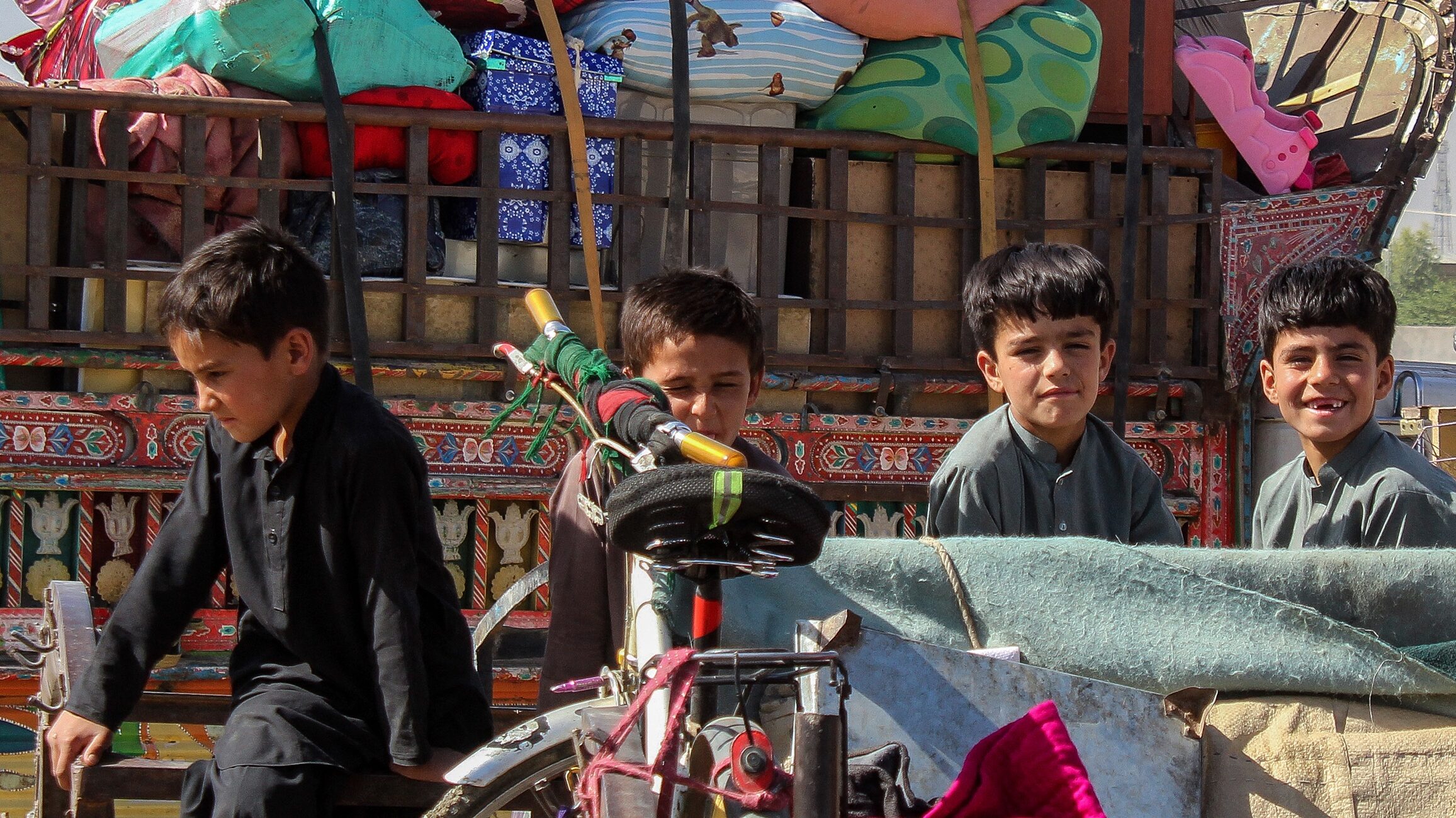
Hundreds of Afghan Refugee Families Return From Pakistan, Iran
Nearly 500 Afghan refugee families returned to Afghanistan on Saturday, according to a report published Sunday by the state-run Bakhtar News Agency. The families had been living in neighboring Pakistan and Iran and were received at border crossings by Afghan authorities, who provided basic support and assistance.
The return of the 497 families comes as part of a broader trend of repatriation driven by tightening immigration policies in host countries and shifting dynamics within Afghanistan. “All the returnees received necessary assistance from the Afghan interim government at the crossing points,” the government-run outlet reported.
Give the gift of hope
We practice what we preach:
accurate, fearless journalism. But we can't do it alone.
- On the ground in Gaza, Syria, Israel, Egypt, Pakistan, and more
- Our program trained more than 100 journalists
- Calling out fake news and reporting real facts
- On the ground in Gaza, Syria, Israel, Egypt, Pakistan, and more
- Our program trained more than 100 journalists
- Calling out fake news and reporting real facts
Join us.
Support The Media Line. Save democracy.


Roughly seven million Afghans have been living abroad, many for years, after fleeing decades of war, political instability, and economic hardship. Over the past year, an estimated two million refugees have returned—most from Pakistan and Iran—either voluntarily or after being pressured to leave.
Pakistan has ramped up deportations of undocumented Afghan nationals since late 2023, citing national security concerns and a need to regain control over border populations. Iran has also intensified efforts to limit unauthorized migration. Human rights groups have expressed concern over the pace of returns, warning that many Afghans may face hardship or persecution upon reentry.
The Taliban-led interim government in Kabul has said it is committed to helping returnees reintegrate, but Afghanistan’s economy remains fragile, and the country faces international isolation, ongoing conflict, and limited access to humanitarian aid.
