Israel Resumes Gaza Offensive After Ceasefire Collapse Over Hostage Standoff
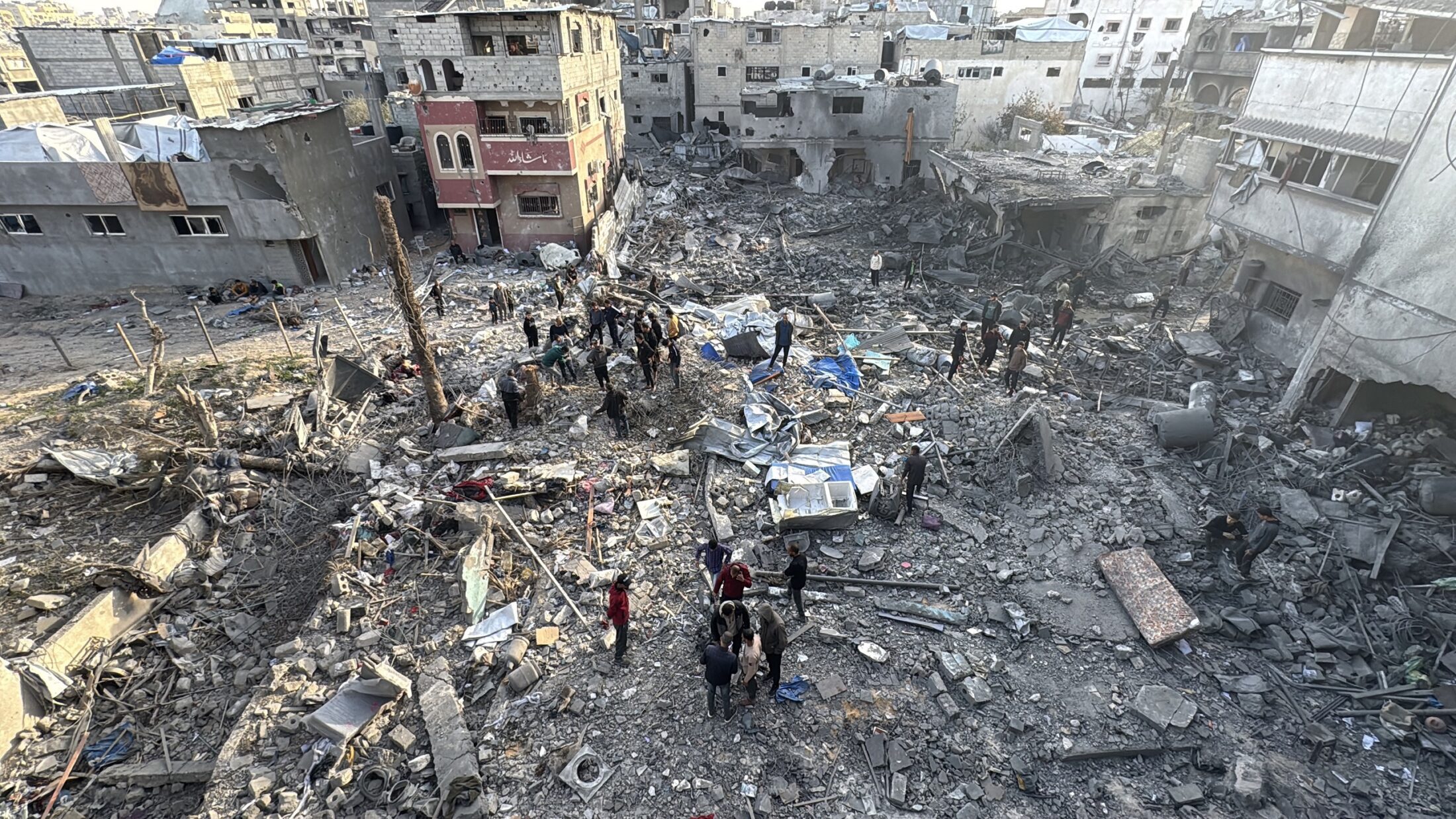
Israel launched a new wave of airstrikes on the Gaza Strip early Tuesday, citing Hamas’ refusal to release hostages as the reason for ending a temporary ceasefire. The Israel Defense Forces (IDF) said it struck dozens of Hamas targets and is prepared to escalate operations. Meanwhile, the United States signaled its support for the renewed offensive.
The ceasefire had been in place for over two months but began unraveling after Hamas rejected a proposed extension that would have included the release of five Israeli hostages in exchange for an extended truce. The group instead demanded Israel’s full withdrawal from Gaza and a permanent end to the war—terms Israeli Prime Minister Benjamin Netanyahu has repeatedly refused, stating that military action will continue until Hamas’ governing and military capabilities are dismantled.
IDF Chief of Staff Lt. Gen. Eyal Zamir oversaw the overnight campaign, dubbed “Strength and Sword,” alongside Shin Bet head Ronen Bar and Air Force Commander Maj. Gen. Tomer Bar from Israel’s military headquarters in Tel Aviv. The military said it targeted mid-level Hamas commanders and infrastructure. Reports from Gaza indicated that senior Hamas officials, including Interior Ministry head Mahmoud Abu Watfa and political bureau member Abu Ubaida Al-Jamassi, were among those killed.
The Hamas-run Health Ministry initially claimed that 310 people were killed, later revising the number to 254 before again stating that the toll had exceeded 330. The ministry did not distinguish between civilians and fighters. Footage from Gaza showed women, children, and elderly victims among the dead, while Israeli officials maintained that Hamas was using civilian areas for military purposes.
Give the gift of hope
We practice what we preach:
accurate, fearless journalism. But we can't do it alone.
- On the ground in Gaza, Syria, Israel, Egypt, Pakistan, and more
- Our program trained more than 100 journalists
- Calling out fake news and reporting real facts
- On the ground in Gaza, Syria, Israel, Egypt, Pakistan, and more
- Our program trained more than 100 journalists
- Calling out fake news and reporting real facts
Join us.
Support The Media Line. Save democracy.


The IDF also issued evacuation orders for areas on Gaza’s outskirts, including Beit Hanoun and parts of Khan Yunis, potentially signaling an expansion of ground operations.
In response, Yemen’s Iran-backed Houthi rebels condemned Israel’s actions and vowed to escalate attacks in support of Hamas. The Houthis have previously targeted Israeli-linked vessels in the Red Sea, disrupting global shipping.
The Hostages and Missing Families Forum, an advocacy group representing the families of captives in Gaza, accused the Israeli government of prioritizing military action over hostage negotiations. “The return to fighting before securing the release of the remaining 59 hostages is a devastating choice,” the group said.
Domestically, Netanyahu faces competing pressures. Public polling indicates most Israelis support a hostage deal over continuing the war, but his far-right coalition partners have threatened to collapse the government if Hamas is not eliminated. Netanyahu also moved to dismiss Shin Bet director Ronen Bar, who had pushed for prioritizing hostage negotiations.
As the conflict escalates, humanitarian conditions in Gaza continue to deteriorate. The Rafah border crossing with Egypt was closed as Israeli forces intensified their operations. The Biden administration, which previously mediated ceasefire talks, had struggled to pressure Hamas into further concessions, while the Trump administration has taken a more hard-line stance.
The war began on October 7, 2023, when Hamas-led gunmen attacked Israeli communities, killing approximately 1,200 people and taking 251 hostages. Israel’s military response has devastated Gaza, with local authorities claiming more than 48,000 deaths.
