Israel Signals F-35 Deal With Saudi Arabia Must Come With a Political Price
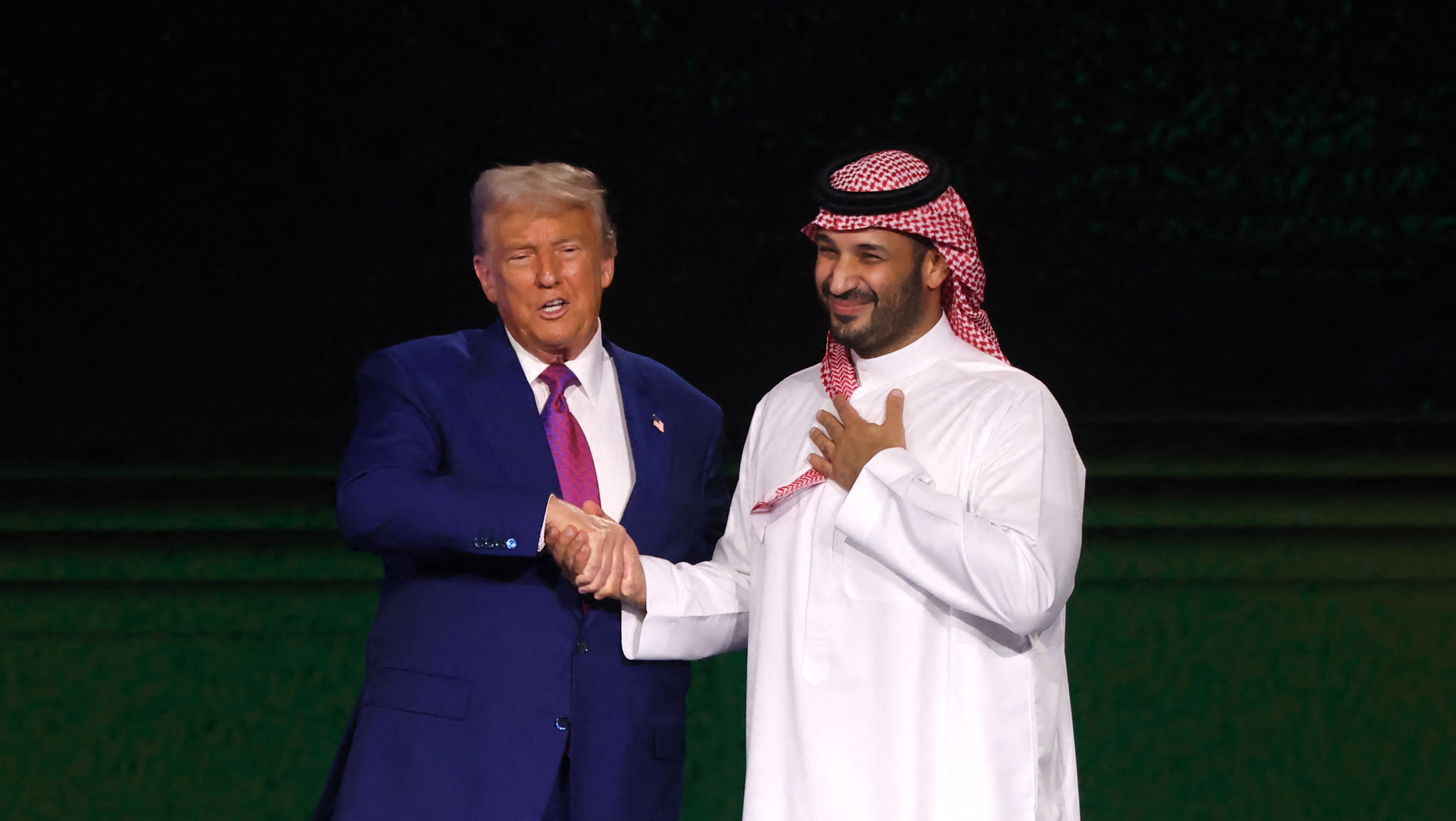
Israeli officials are quietly telling the White House that any move to sell F-35 fighter jets to Saudi Arabia must be tied to full normalization with Jerusalem. The message, delivered in recent days ahead of Crown Prince Mohammed bin Salman’s meeting with President Donald Trump, reflects both opportunity and a rare sense of unease within Israel’s security establishment.
Two senior Israeli officials said Israel is not opposing the sale outright. What concerns Jerusalem, they noted, is the idea of advanced aircraft entering Saudi service “without any diplomatic return.” One of the officials described such a move as a “mistake that would cause damage,” pointing to Washington’s longstanding legal commitment to preserve Israel’s qualitative military edge.
Give the gift of hope
We practice what we preach:
accurate, fearless journalism. But we can't do it alone.
- On the ground in Gaza, Syria, Israel, Egypt, Pakistan, and more
- Our program trained more than 100 journalists
- Calling out fake news and reporting real facts
- On the ground in Gaza, Syria, Israel, Egypt, Pakistan, and more
- Our program trained more than 100 journalists
- Calling out fake news and reporting real facts
Join us.
Support The Media Line. Save democracy.
Inside the Israel Air Force, the tone is sharper. Officers have warned that Saudi F-35s would create what one described as “an unbearable reality,” mainly because the aircraft’s stealth and sensor systems would complicate Israel’s ability to move quietly in the region. The proximity of Saudi territory also weighs heavily. As one security source puts it, the distance is “a matter of minutes,” and in a crisis, that speed is not theoretical.
President Trump, speaking aboard Air Force One last week, said he plans to raise the normalization issue directly with the crown prince and confirmed he is reviewing the Saudi request for advanced aircraft. He added that he hopes to see Riyadh join the Abraham Accords “soon.”
The main obstacle remains Saudi Arabia’s insistence on what it calls a “credible, irreversible, time-bound” path toward a Palestinian state, a demand Prime Minister Benjamin Netanyahu has so far rejected. Israeli officials say they hope the White House presses Riyadh to soften that position during this week’s meeting.
If the talks progress, Israeli officials expect negotiations to shift into a direct trilateral channel involving the United States, Saudi Arabia, and Israel. They also say Israel would demand strict basing restrictions and security assurances if the F-35 deal advances, citing the country’s geographic exposure. “The meeting needs to produce a real road map,” one official said. “Otherwise, the risks outweigh the benefits.”
