Israel’s Budget Deficit Hits $29.4 Billion, Fueled by Conflict Costs
Israel’s 12-month budget deficit surged to 105.1 billion shekels ($29.4 billion) by the end of February, representing 5.6% of the country’s gross domestic product (GDP), the Finance Ministry announced on Sunday. This represents an 18% increase from the previous year’s deficit, which totaled 89.1 billion shekels ($24.93 billion) or 4.8% of GDP. This contrasts starkly with the period between March 2022 and February 2023, during which Israel experienced a budget surplus of 3.4 billion shekels ($951 million).
Give the gift of hope
We practice what we preach:
accurate, fearless journalism. But we can't do it alone.
- On the ground in Gaza, Syria, Israel, Egypt, Pakistan, and more
- Our program trained more than 100 journalists
- Calling out fake news and reporting real facts
- On the ground in Gaza, Syria, Israel, Egypt, Pakistan, and more
- Our program trained more than 100 journalists
- Calling out fake news and reporting real facts
Join us.
Support The Media Line. Save democracy.
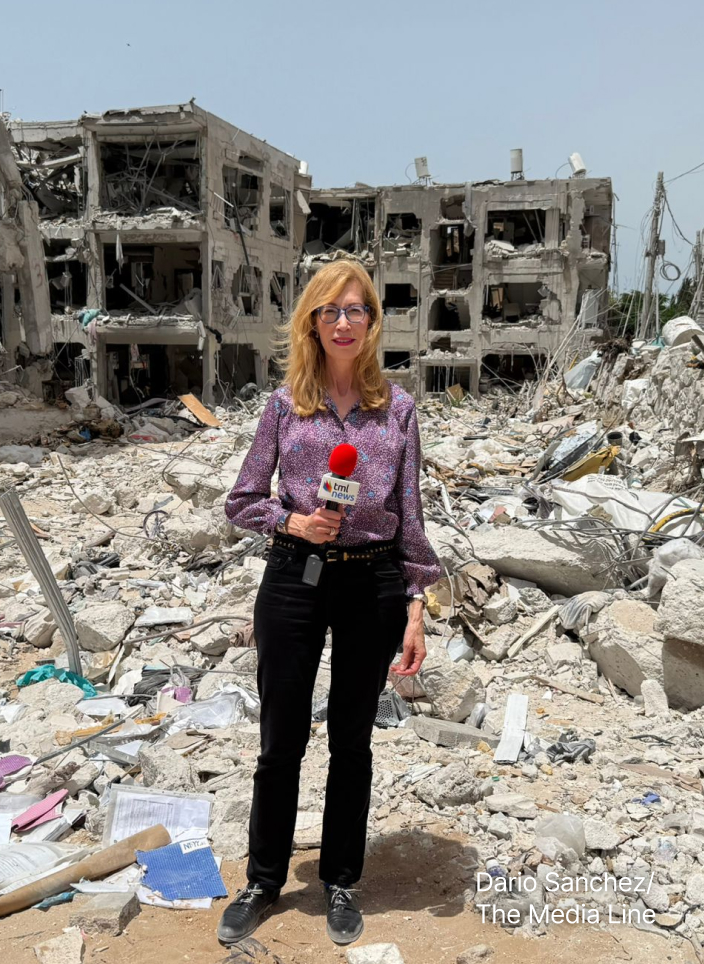
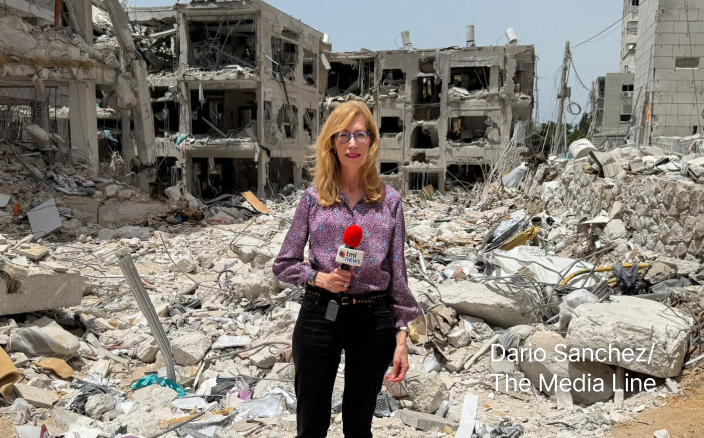
The sharp rise in the deficit has been largely attributed to escalated expenditures due to the ongoing conflict with Hamas, which has already cost 17.3 billion shekels ($4.84 billion). This is in addition to the expenses from last year’s conflict, which amounted to $6.59 billion. The Israeli government’s spending in January and February alone increased by 43.6% compared to the same period last year, while revenue streams remained largely unchanged.
The Finance Ministry anticipates the deficit trend will persist in the upcoming months but expects a reduction towards the end of the year. This optimism is based on a projected shift in the allocation of conflict expenses and income distribution.
