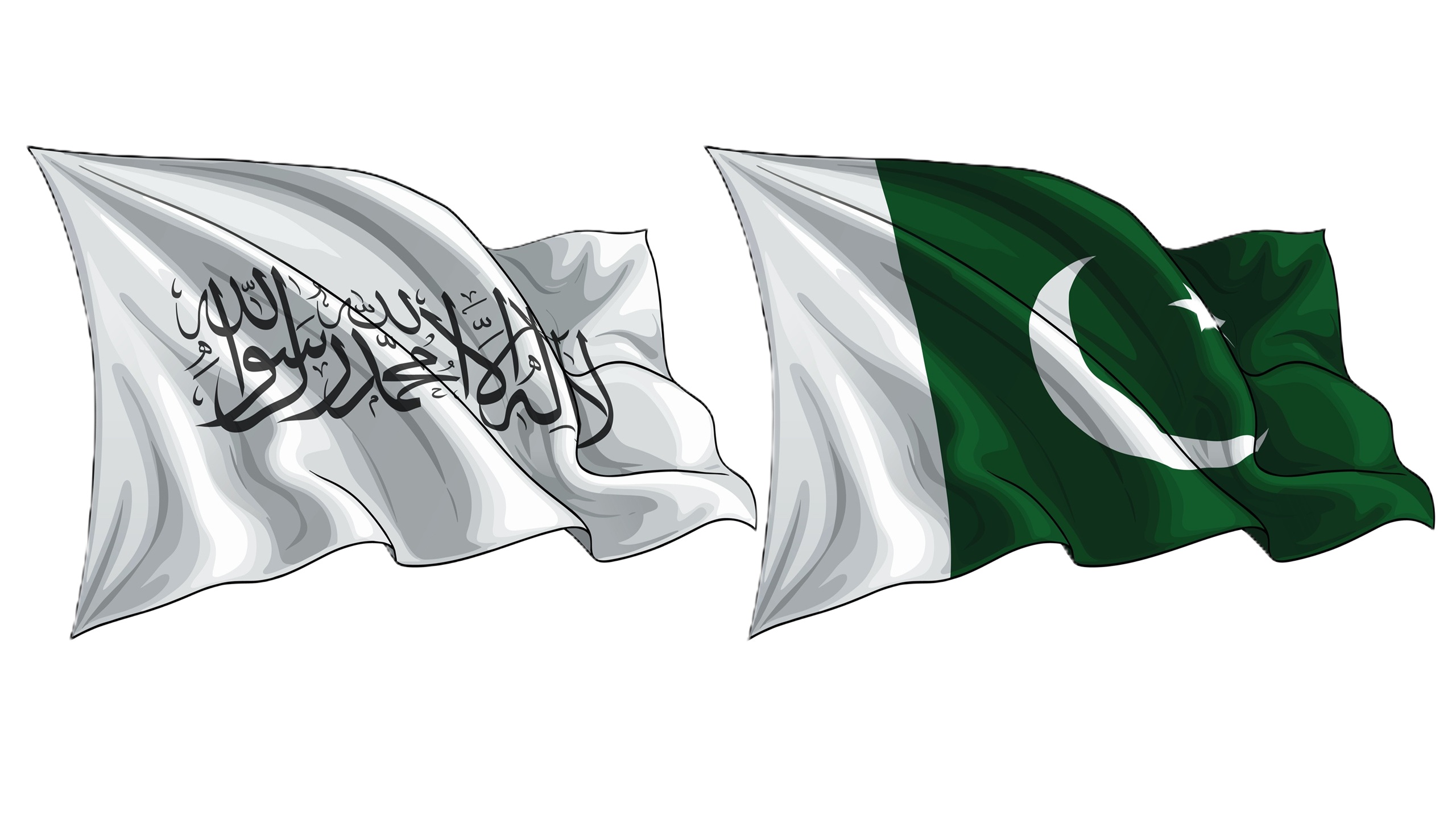
Pakistan and Afghanistan Extend Doha Truce as Talks Seek To Stop Cross-Border Attacks
Pakistan and Afghanistan agreed in Doha on Sunday to extend and deepen a fragile truce after more than a week of deadly cross-border clashes along their 1,600-mile frontier, according to diplomats and official statements. The pause—brokered by Qatar with support from Turkey—was prolonged from an initial 48 hours “until the conclusion of the upcoming peace talks in Doha,” according to diplomatic sources, as both governments pursue a process that pairs immediate de-escalation with verification meetings to monitor compliance. The aim, officials say, is to halt artillery exchanges and airstrikes while the sides address why and how cross-border attacks flared and how future incidents will be handled.
Qatar’s Foreign Ministry said the talks produced an immediate cessation of hostilities and a framework for follow-up sessions. Kabul sent a high-level team led by Defense Minister Mullah Yaqoob Mujahid; Pakistan’s delegation details were not disclosed. Sources familiar with the planning said both teams are scheduled to arrive in Doha on Saturday, with Qatari mediators keeping discussions open through the weekend. The UN Assistance Mission in Afghanistan has reported at least three dozen civilian deaths and hundreds wounded since the flare-up began on October 10.
At the political level, Islamabad framed the pause as part of a larger push to contain attacks it attributes to the Tehreek-e-Taliban Pakistan (TTP) and associated groups operating from Afghan soil. During a weekly briefing, Pakistan’s Foreign Ministry spokesperson Shafqat Ali Khan said details on the Doha agenda could not be shared but issued a pointed rebuke to Kabul over public comments made abroad, stating: “Pakistan rejects the recent remarks made by the Afghan foreign minister during his visit to India, in which he described terrorism as Pakistan’s internal issue. Terrorism is a global challenge and cannot be attributed to any single country,” he said. Khan added that ambassadors remain in their posts and “regular diplomatic contacts between Pakistan and Afghanistan are ongoing.” He also said Pakistan had exercised the right to self-defense and that actions were “not directed against the Afghan people,” while noting the 48-hour pause was implemented at the Afghan Taliban’s request and that Pakistan “believes in dialogue as the only way forward.”
Give the gift of hope
We practice what we preach:
accurate, fearless journalism. But we can't do it alone.
- On the ground in Gaza, Syria, Israel, Egypt, Pakistan, and more
- Our program trained more than 100 journalists
- Calling out fake news and reporting real facts
- On the ground in Gaza, Syria, Israel, Egypt, Pakistan, and more
- Our program trained more than 100 journalists
- Calling out fake news and reporting real facts
Join us.
Support The Media Line. Save democracy.


Prime Minister Shehbaz Sharif echoed that dual track on Thursday, saying Pakistan responded after showing restraint in the face of repeated cross-border attacks but remains open to talks and a peaceful resolution. Pakistan’s security officials said late Friday that the army conducted air operations against hideouts linked to the Hafiz Gul Bahadur faction in Afghan border areas adjacent to North and South Waziristan, followed by an intelligence-based strike sequence on additional positions. Military sources claimed more than 70 members of armed groups, including senior commanders and several suicide bombers, were killed. They also alleged that, during the ceasefire, multiple infiltration attempts were launched from across the border—charges Afghan officials have not publicly confirmed.
For Kabul, the messaging has stressed restraint and a pledge not to permit its territory to be used for attacks on Pakistan. Taliban spokesperson Zabiullah Mujahid said after the Doha session that both sides would “refrain from targeting each other’s security forces, civilians, or critical infrastructure,” and that Kabul would not “support groups carrying out attacks against the government of Pakistan.” He added that Afghanistan “reserves the right to respond to these violations,” but that forces were instructed to pause “new military operations at this time.” Islamabad countered allegations it struck civilians during recent operations. Information Minister Attaullah Tarar said security forces hit “verified” camps of Islamist fighters and rejected claims of civilian casualties, saying, “All speculations and assertions being made regarding targeting of civilians are false and meant to generate support for terrorist groups operating from inside Afghanistan.”
The latest round of violence included heavy exchanges of fire along the Chaman and Kurram corridors and a suicide blast near the Afghan frontier that killed seven Pakistani soldiers, according to Pakistani officials. On Thursday morning, attackers from the Gul Bahadur group carried out a suicide assault on a security checkpoint near Mir Ali that left six soldiers dead, Pakistani sources said; they reported the attackers were killed and a counter-operation targeted a base inside Afghanistan. Afghanistan’s cricket board, citing a separate incident, said eight people—including three players—were killed in a Pakistani strike in Paktika and withdrew from a T20I event with Pakistan and Sri Lanka.
The Doha track builds on repeated efforts since the Taliban seized power in 2021 to draw red lines and prevent local flare-ups from spiraling. Pakistan—an early backer of the Taliban after 2001—now faces a familiar but more diffuse threat from the TTP and allied outfits that, according to independent monitors, carried out hundreds of attacks over the past year. Disputes over fencing, patrols, and the exact demarcation of the colonial-era Durand Line have repeatedly inflamed tensions. Mediators hope the new verification mechanism and sustained engagement can reduce the risk of miscalculation, bolster civilian protection, and set conditions for the return of displaced families to border districts.
Both sides face incentives to keep the guns quiet in the short term. Pakistan’s economy is under stress from inflation and reconstruction needs following floods, while Afghanistan, isolated diplomatically and battered by sanctions, is seeking humanitarian access and trade through Pakistan’s ports. Sources close to the Doha process say possible agenda items include intelligence sharing against cross-border cells, standardized procedures for handling alleged infiltration, and a hotline to deconflict incidents within hours, not days.
Whether the extended pause evolves into a durable arrangement will hinge on implementation and verification—areas where prior initiatives faltered. Afghan officials say they are prepared to police their side of the line but insist civilian areas must not be targeted and that any mechanism must respect Afghan sovereignty. Pakistani officials argue that without persistent pressure on TTP networks and facilitators, attacks on troops and police will continue. For now, the border is tense but mostly quiet as delegations converge on Doha and mediators press for confidence-building measures that can turn a 48-hour stopgap into a lasting reduction in violence.
