President Trump Announces 25% Tariff for Any Country ‘Doing Business’ With Iran
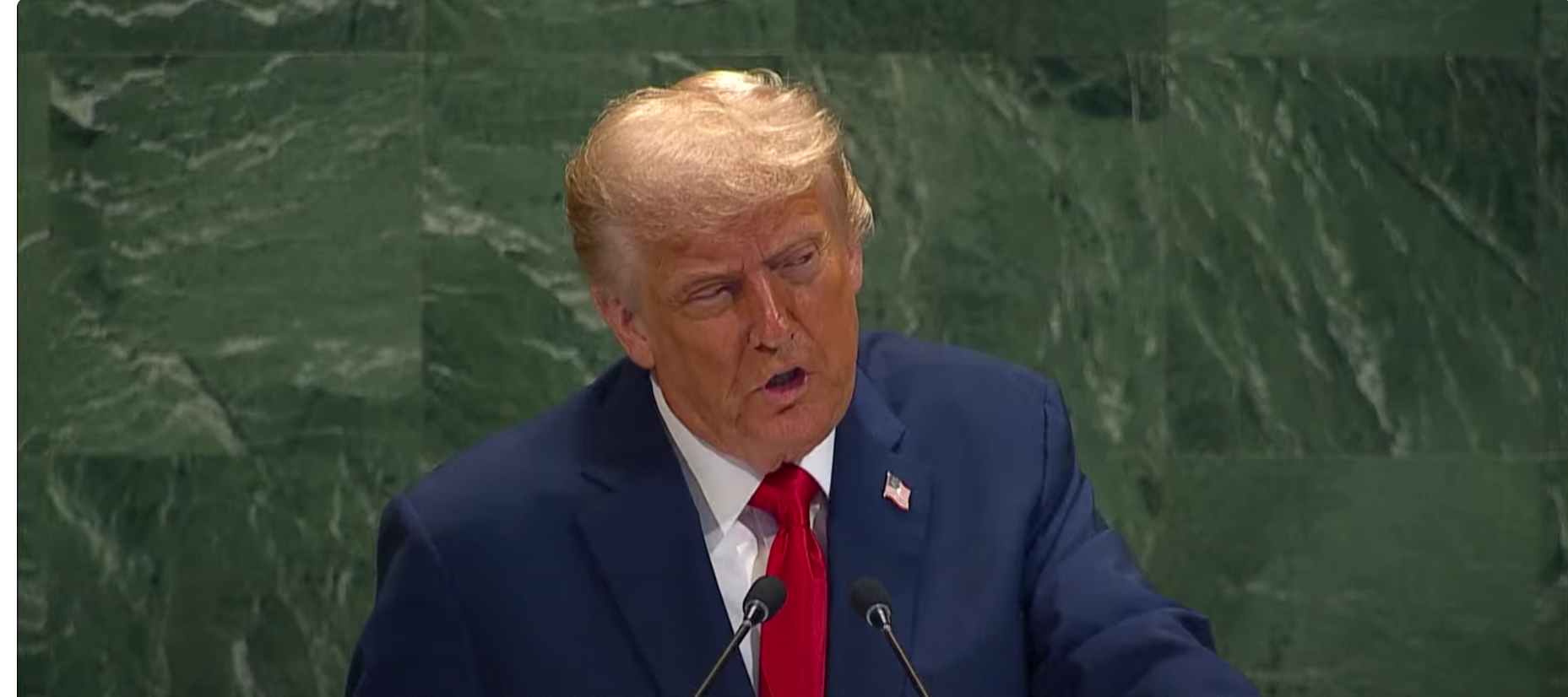
President Donald Trump moved to tighten economic pressure on Iran on Monday, announcing that any nation maintaining commercial ties with Tehran will face a 25% tariff on its business with the United States.
Iran’s authorities continue a harsh crackdown on anti-government demonstrations, resulting in the deaths of hundreds of protesters. President Trump has previously warned that the United States could intervene if Tehran escalates violence against demonstrators.
The White House declined to elaborate on the announcement or clarify whether a formal executive order had been signed. Administration officials instead pointed reporters to the president’s social media post.
Give the gift of hope
We practice what we preach:
accurate, fearless journalism. But we can't do it alone.
- On the ground in Gaza, Syria, Israel, Egypt, Pakistan, and more
- Our program trained more than 100 journalists
- Calling out fake news and reporting real facts
- On the ground in Gaza, Syria, Israel, Egypt, Pakistan, and more
- Our program trained more than 100 journalists
- Calling out fake news and reporting real facts
Join us.
Support The Media Line. Save democracy.

China, Iran’s largest trading partner, immediately criticized the move. A spokesperson for the Chinese embassy in Washington posted that tariff battles “have no winners” and vowed that Beijing would “take all necessary measures to safeguard its legitimate rights and interests.”
Customs data from China show that from January through November 2025, China exported $6.2 billion in goods to Iran and imported $2.85 billion, not including oil shipments, which analysts say mostly move through intermediaries.
The higher duties could push the minimum tariff rate on Chinese exports to the United States to roughly 45%, up from the current 20%, adding to a history of tariff escalations between Washington and Beijing. A trade war last year rattled global markets after rates climbed as high as 145% before being adjusted through negotiations.
Other major trading partners with Iran—including India, the United Arab Emirates, Turkey, and several European states—may also face higher costs if the order is implemented. Earlier this year, President Trump doubled duties on imports from India to at least 50%, responding to New Delhi’s purchases of Russian oil. He has issued similar warnings to other countries that buy Russian energy, though those threats have largely gone unenforced.
The United States maintains limited direct commerce with Iran due to long-standing sanctions tied to Tehran’s nuclear activities. Last year, US imports from Iran totaled only $6.2 million, while exports reached just over $90 million. However, Washington conducts extensive trade with countries linked to Iran’s economy, meaning the tariff threat could have broad and immediate consequences.
