US Secretary of State Rubio Presses Iraq To Act on Energy Infrastructure Attacks, Warns Against PMC Law
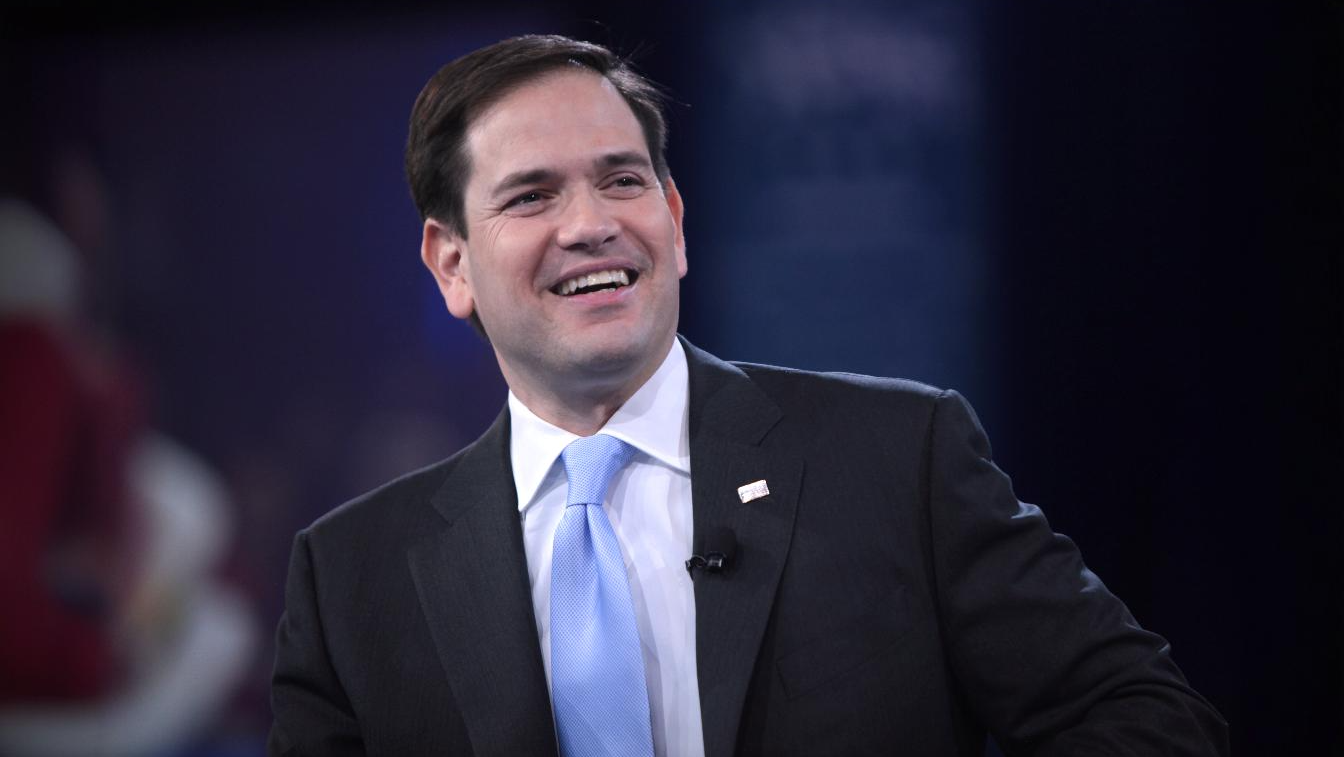
US Secretary of State Marco Rubio held a phone conversation with Iraqi Prime Minister Mohammed Shi’a al-Sudani on Monday to address a series of recent attacks on Iraq’s energy infrastructure, including facilities run by American companies. The call, confirmed by State Department Spokesperson Tammy Bruce, focused on urging the Iraqi government to take action against those responsible and to strengthen measures to prevent future incidents.
During the discussion, Rubio also emphasized the need for Baghdad to pay public employees in the Iraqi Kurdistan region consistently and to restart oil exports through the Iraq-Turkey Pipeline. The flow of crude through the pipeline has been suspended since March 2023 due to legal disputes and political disagreements, severely affecting both regional and national revenues.
Give the gift of hope
We practice what we preach:
accurate, fearless journalism. But we can't do it alone.
- On the ground in Gaza, Syria, Israel, Egypt, Pakistan, and more
- Our program trained more than 100 journalists
- Calling out fake news and reporting real facts
- On the ground in Gaza, Syria, Israel, Egypt, Pakistan, and more
- Our program trained more than 100 journalists
- Calling out fake news and reporting real facts
Join us.
Support The Media Line. Save democracy.
Rubio expressed firm opposition to a proposed law concerning the Popular Mobilization Commission (PMC), a state-affiliated umbrella group that includes various armed factions, some of which have ties to Iran. “Any such legislation would institutionalize Iranian influence and armed terrorist groups undermining Iraq’s sovereignty,” Bruce quoted Rubio as saying.
The bill, now under review in Iraq’s Council of Representatives, would formally integrate the PMC into the Iraqi state structure, raising alarm in Washington over its implications for Iraq’s independence and regional stability. The US has long been critical of the PMC’s growing influence and the involvement of groups accused of attacking US interests in Iraq.
The conversation underscores growing concerns in Washington over security risks to American companies operating in Iraq and the broader geopolitical consequences of increased Iranian sway within the country.
