
The Magic of Cinema in Lebanon Is Tied to War
Aside from Egypt, Lebanon is one of the few Arab countries with what is considered a national cinema that helps fill the gaps of the lack of an official collective memory
In Beirut, there is always something to see at the cinema. In fact, there seems to be an unwritten rule that there is always some kind of film festival on offer. The wide selection of movies, both local and international, usually draws a good crowd, and screenings take place both in traditional cinemas and other, less formal settings. Typically, open discussions with the filmmakers and their teams follow the screenings.
It’s also common to come across spotlights, sound equipment, and closed streets while wandering around, as filmmakers shoot their latest films amid the picturesque streets of this Mediterranean city.
The abandoned gas station, now converted into a community kitchen called Nation Station, in the humble Geitawi neighborhood, uses its courtyard every spring to set up a projector. There, every two weeks, it gathers Lebanese hipsters and expats for screenings of thought-provoking documentaries. There’s no entrance fee. The neighbor, to whom the organization’s young volunteers deliver food daily, can watch the film from his balcony.

A film screened at Nation Station. (Taylor Thomas/The Media Line)
Downstairs, facing the ruins of Beirut’s port, which exploded five years ago, stands the Metropolis Cinema, an iconic landmark of the city reborn. Actress Cate Blanchett celebrated its return last December, calling it “a testament to resilience and cultural rebirth, bringing stories to life and uniting the community.”
Lebanon, along with Egypt, is one of the few Arab countries with what is considered a national cinema. The country opened its first cinema in 1909, and there has been regular film production since the 1920s.
“A distinctly Lebanese cinema emerged from the moment of decolonization in all Arab countries during the 1950s and ’60s,” the Lebanese filmmaker Luma Harouni told The Media Line. “This cinema is necessary because all cultural expressions of a people that arise from their own voices and their own concerns are essential,” she added.
Give the gift of hope
We practice what we preach:
accurate, fearless journalism. But we can't do it alone.
- On the ground in Gaza, Syria, Israel, Egypt, Pakistan, and more
- Our program trained more than 100 journalists
- Calling out fake news and reporting real facts
- On the ground in Gaza, Syria, Israel, Egypt, Pakistan, and more
- Our program trained more than 100 journalists
- Calling out fake news and reporting real facts
Join us.
Support The Media Line. Save democracy.

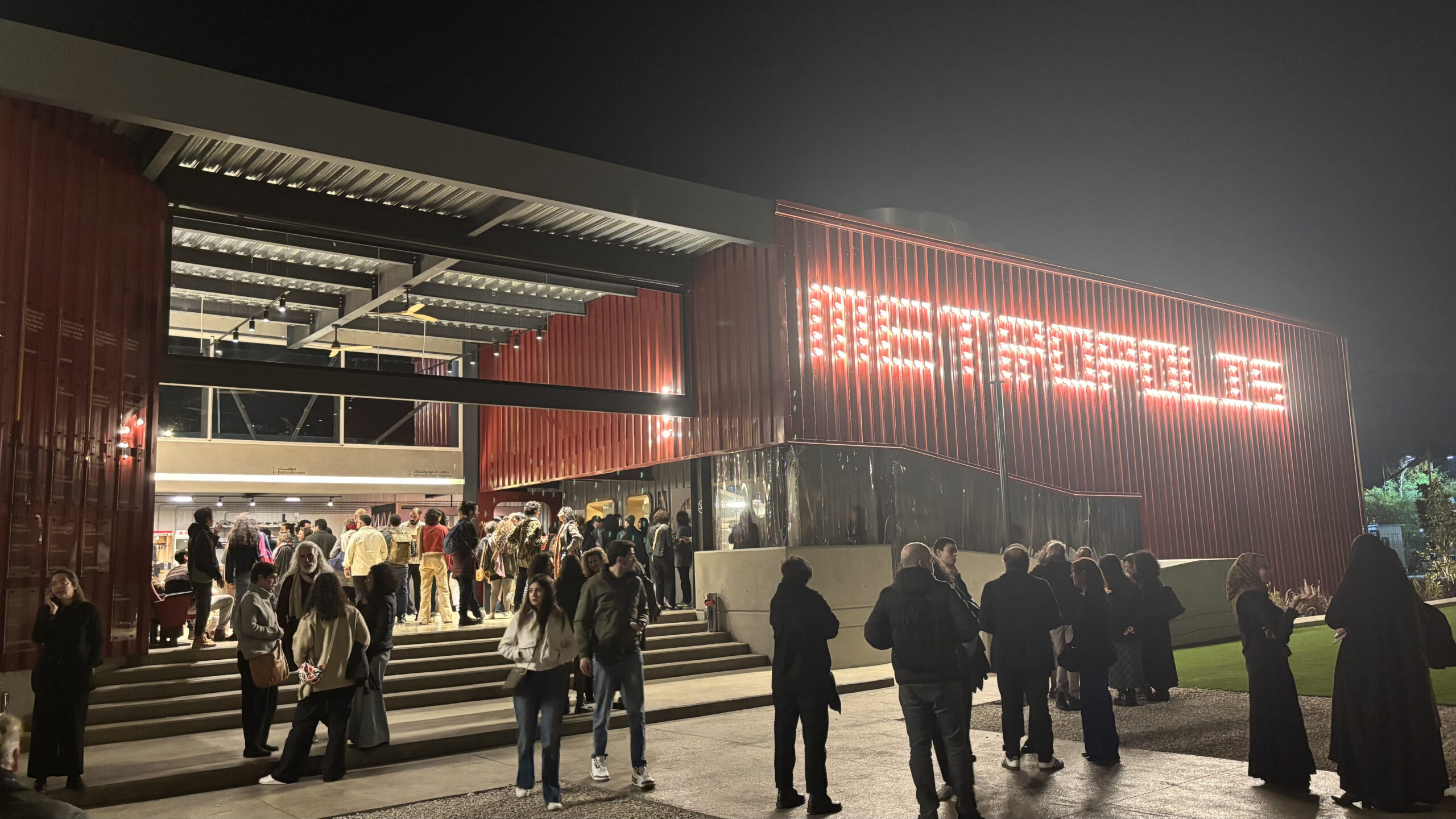
Metropolis Cinema, Beirut, Lebanon. (Taylor Thomas/The Media Line)
In a country without an official collective memory, cinema has, in a way, come to occupy that space.
“Without intending to, Lebanese filmmakers explain and show in their films the mosaic that is Lebanon, and they construct the country’s national identity through their filmography, shaped by their most personal narratives,” Harouni said.
It is difficult to find fiction films in the listings of Beirut’s main cinemas. There are some, but they remain linked to what is happening, or has happened, in the country. Even comedies are based on the outlandish ideas that resourceful Lebanese people apply to cope with the many catastrophes that befall them.
That’s why one of the dominant themes in Lebanese cinema is war. The country suffered a civil war that dragged on for a long and torturous 15 years between 1975 and 1990. Since then, conflicts have resurfaced every few years, the most recent of which was the Israel-Hezbollah war.
“War is addressed in films because, for us, it’s not a one-off event; it’s an event that permeates absolutely everything,” the Lebanese filmmaker said. “Films address this theme of civil trauma—both communal and individual—because that’s essentially what art can do: go beyond facts and figures and speak to those emotions,” she noted.
Besides being a refuge for the mind, Lebanese cinema is eminently political and for the people. The reopening of historic cinemas, such as Le Colisée on September 13 in the once-vibrant Hamra neighborhood, depends on initiatives from the public, not on official cultural policy. This cinema, established in 1945 and abandoned for decades, is once again screening films under the banner of the Lebanese National Theatre, founded by actor and director Kassem Istanbouli, thanks to the NGO Tiro Association for Arts.
Cinemas and theaters have already reopened in the southern Lebanese cities of Tyre and Nabatieh, severely damaged by Israeli bombing, and in the impoverished northern city of Tripoli. Seeing a film in these historic venues usually costs next to nothing, or even nothing at all.
Moreover, these are places for the Lebanese people. During the Israeli bombings last fall, the Empire Cinema, one of Lebanon’s oldest movie theaters, which opened in 1932 and is now a cultural center in Tripoli, sheltered dozens of people who had been left homeless. Le Colisée, also undergoing renovations, placed mattresses and blankets on the stage and seats to accommodate those displaced from the south of the country and the southern suburbs of Beirut, the areas hardest hit by the war.
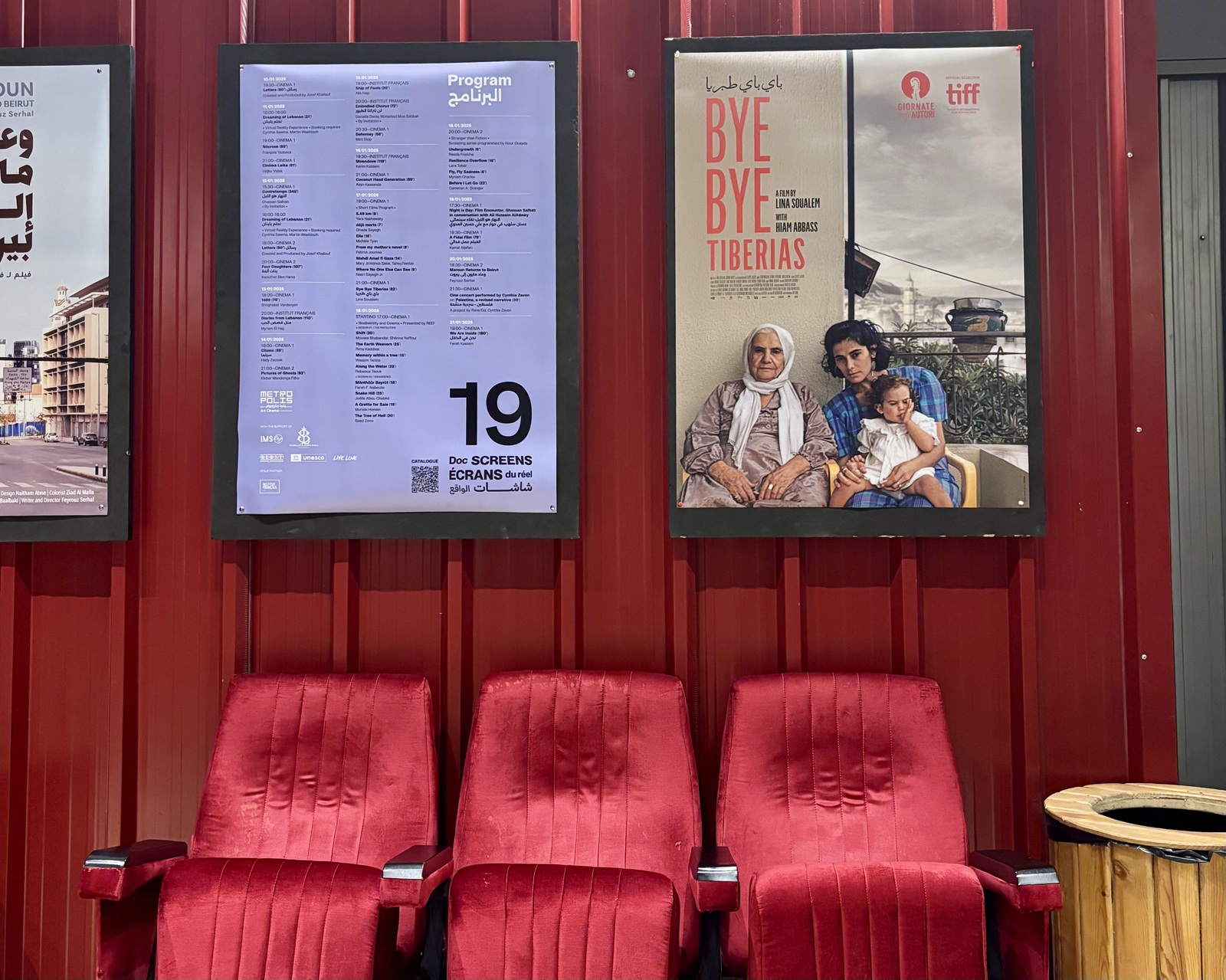
Movie posters in Metropolis Cinema, Beirut, Lebanon. (Taylor Thomas/The Media Line)
With the memory of the war set aside, groups of friends in Beirut spend their time trying to coordinate their schedules so as not to miss a single film. In front of the Metropolis Cinema, George prepares himself to watch the iconic 1983 movie Carmen by Spanish director Carlos Saura. It is part of the Spanish Film Cycle that took place over four days in October.
“I am taking Spanish classes, so this is a great opportunity to practice and see how much I have learned,” the 70-year-old Lebanese man told The Media Line. When the lights go down, the magic of cinema will once again fill the theater.
