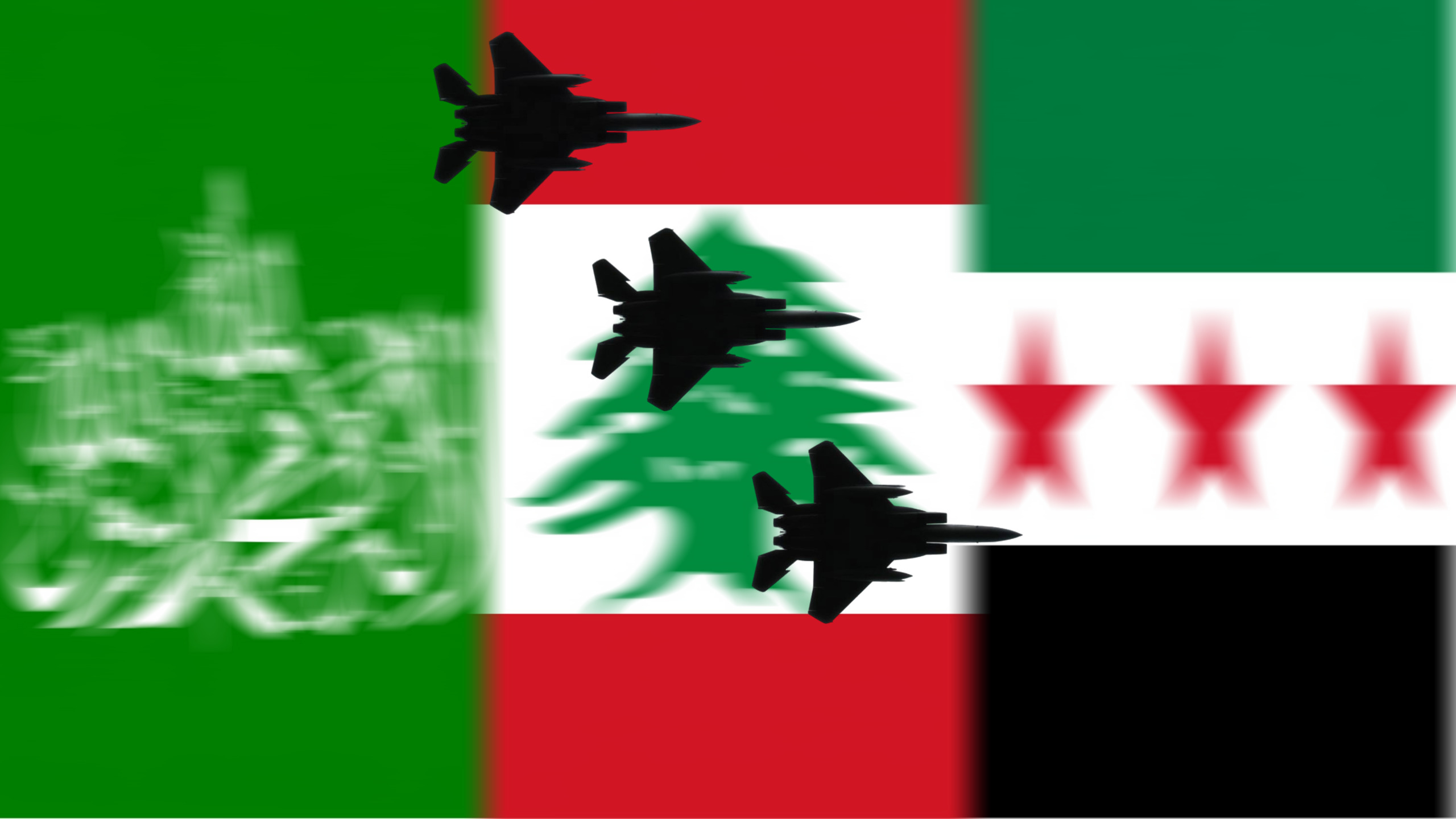
Analysts Warn Israel May Be Headed Toward Renewed Fighting on Multiple Fronts
Keren Setton reports that the fragile arrangements keeping Gaza, Lebanon, and Syria from sliding back into wider war are starting to fray, with each front stuck between a shaky status quo and decisions that could trigger a new round of fighting. In Gaza, the Israeli military killed Hamas commander Raad Saad, and Israeli officials say he was working to rearm the group and endanger the second phase of a US-mediated ceasefire reached about two months ago. That next phase is supposed to pair an Israeli withdrawal with Hamas disarmament—an outcome many analysts doubt is realistic. Israel is also insisting that the body of Ran Gvili be returned before talks move forward. At the same time, Israeli media reports say President Donald Trump’s administration is pressing Israel to soften its stance.
In Lebanon, Israel has kept up strikes on what it calls Hezbollah targets as a year-old ceasefire strains under a looming disarmament deadline. Under the deal, the Lebanese army is tasked with disarming Hezbollah, but analysts say that may be beyond its capacity. “This is not going to happen peacefully,” Professor Chuck Freilich said, predicting pressure could build toward another limited but forceful Israeli strike.
Give the gift of hope
We practice what we preach:
accurate, fearless journalism. But we can't do it alone.
- On the ground in Gaza, Syria, Israel, Egypt, Pakistan, and more
- Our program trained more than 100 journalists
- Calling out fake news and reporting real facts
- On the ground in Gaza, Syria, Israel, Egypt, Pakistan, and more
- Our program trained more than 100 journalists
- Calling out fake news and reporting real facts
Join us.
Support The Media Line. Save democracy.
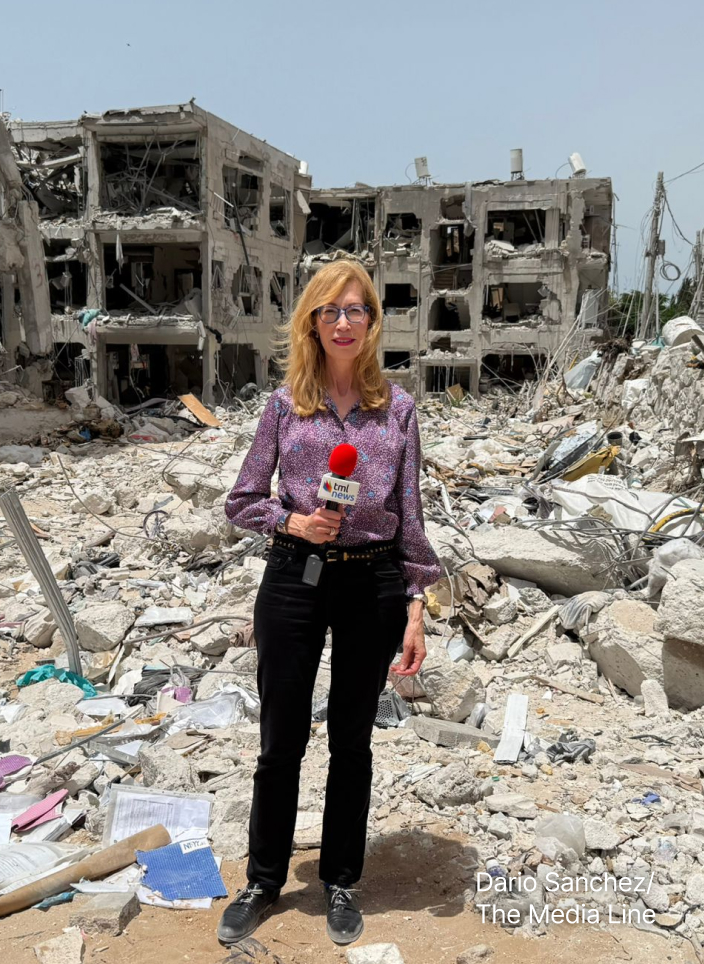
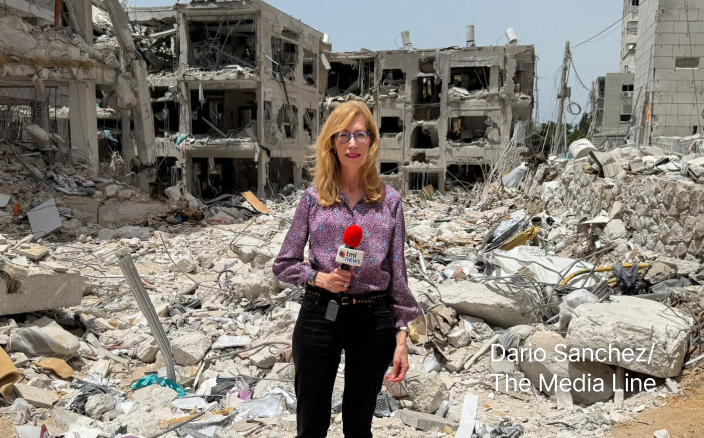
In Syria, Israel continues to hold positions inside Syrian territory after moving in following the collapse of Bashar al-Assad’s regime. Prime Minister Benjamin Netanyahu and Defense Minister Israel Katz have vowed to stay, while Syria’s new leader, Ahmed al-Sharaa, has condemned the presence but has not responded militarily. Freilich said Israel could withdraw with credible security assurances, while Prof. Kobi Michael argued any Syrian arrangement—especially one keeping areas south of Damascus demilitarized—would take time.
Setton’s full report is a brisk tour of three fault lines where “declarations are easy; it’s implementation that’s hard,” and where next year may bring the next test.
