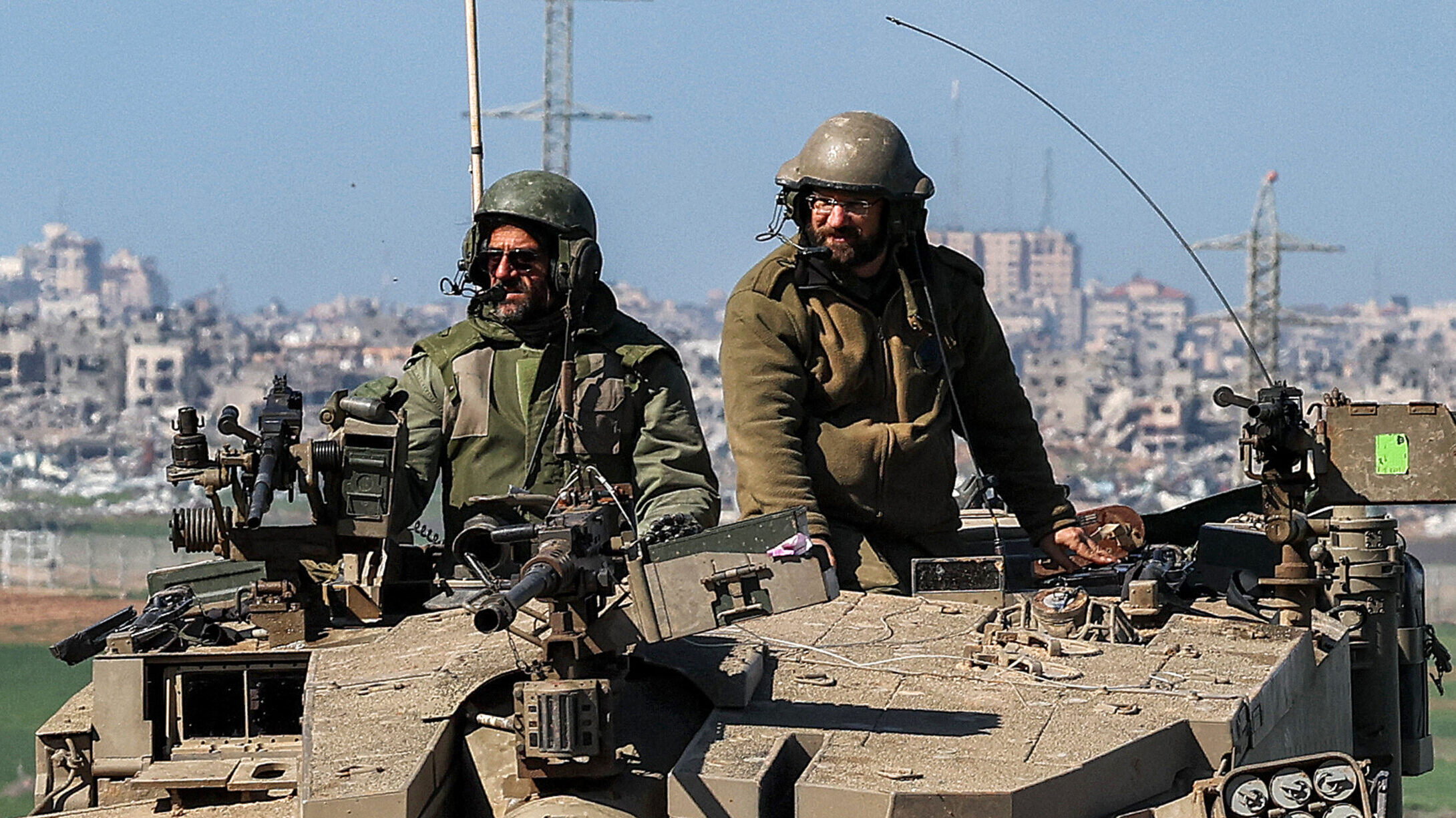
Avivi Says IDF Will Keep Striking Power as Gaza Map Shifts
Brig. Gen. (res.) Amir Avivi says the war is far from over—even as Israel prepares a partial pullback—and tells The Media Line that the Israel Defense Forces (IDF) will “retain freedom of operation everywhere in Gaza.” In this on-the-ground report by Maayan Hoffman, the picture comes into focus: a first-phase withdrawal to a line resembling the “yellow line” presented by President Donald Trump, a one-time release of living hostages with a staged return of remains, and a map that keeps core corridors in Israeli hands while populated areas open for access. Brig. Gen. (res.) Yossi Kuperwasser adds that Gaza City will be vacated to enable the exchanges, while key routes stay under Israeli control. The message from Avivi is blunt: the agreement is about hostages and prisoners, not handcuffs on the IDF, and demilitarizing Hamas “is just beginning now.”
Give the gift of hope
We practice what we preach:
accurate, fearless journalism. But we can't do it alone.
- On the ground in Gaza, Syria, Israel, Egypt, Pakistan, and more
- Our program trained more than 100 journalists
- Calling out fake news and reporting real facts
- On the ground in Gaza, Syria, Israel, Egypt, Pakistan, and more
- Our program trained more than 100 journalists
- Calling out fake news and reporting real facts
Join us.
Support The Media Line. Save democracy.
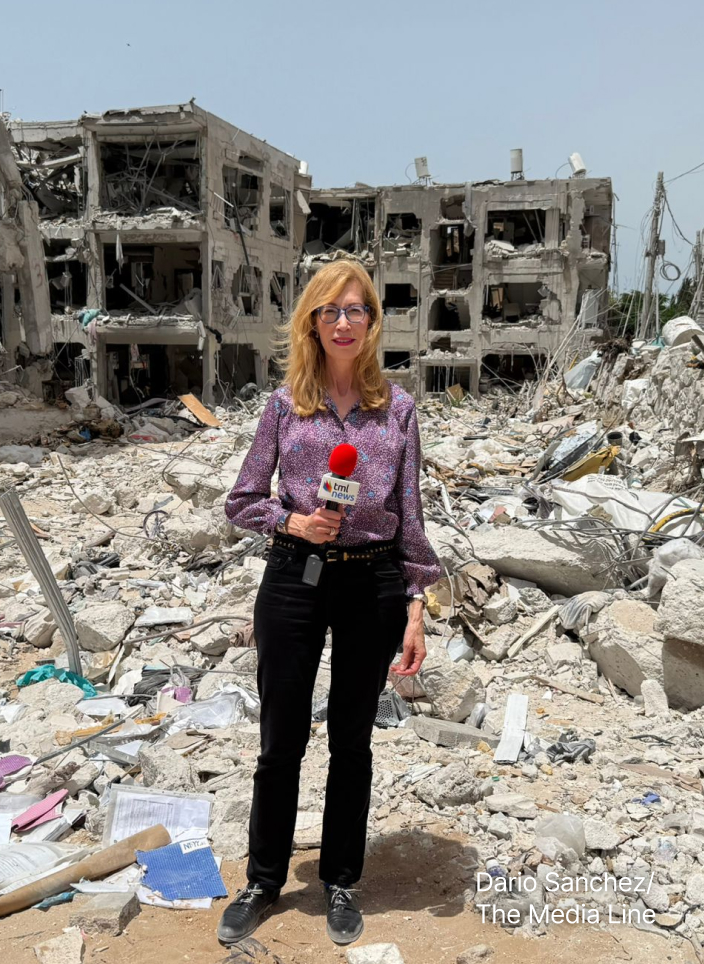

The piece tracks fresh political math: mediators in Qatar, Egypt, and Turkey reading the battlefield and, as Avivi frames it, conceding Hamas has lost leverage once the hostages go. He casts the moment as Washington’s Yalta—a pivot from fighting to shaping the postwar order—while sketching Israel’s coordination with local Gazan clans meant to edge Hamas from authority. Kuperwasser expects a quieter stretch if everyone wants the ceasefire to hold, yet warns that vigilance still matters. Residents of southern Israel, he says, should feel safer, even if sporadic launches persist.
Read Hoffman’s full article for the map, the mechanics, and the stakes—how an initial pullback can coexist with an open-ended mandate to strike terrorists, how a technocratic handoff could take root, and where the next pressure points sit. Hoffman’s reporting shows a conflict moving from front lines to fault lines, with freedom of operation on one side and fragile political engineering on the other.
