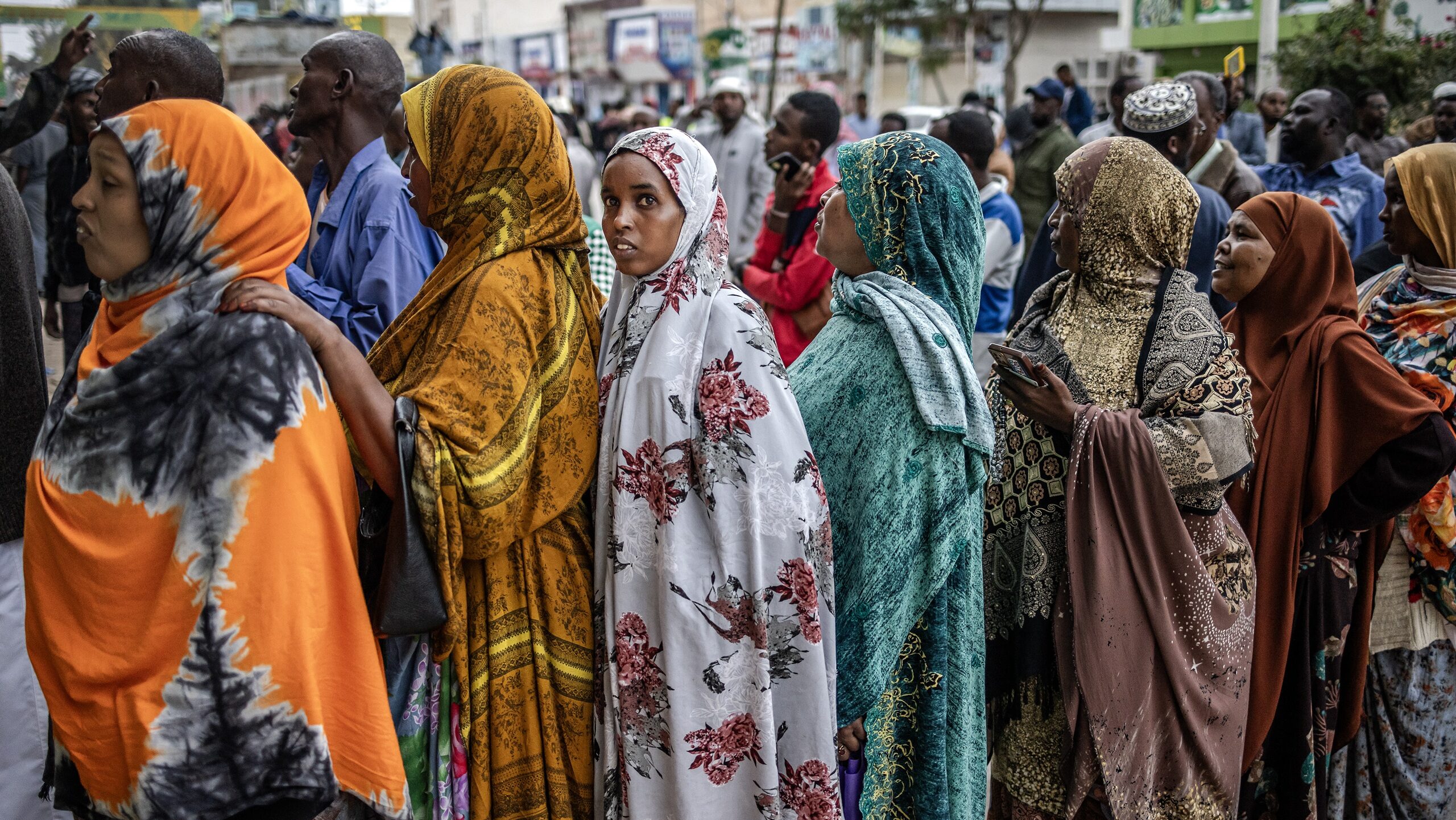
Clan, Country, and Identity in Somaliland
I wrote an explainer to answer a deceptively simple question with real political weight: What do you call someone from Somaliland? Spoiler alert: The short answer is “Somalilander,” a demonym that describes where someone is from or which political entity they identify with—not their ancestry. The longer answer, and the reason the full piece is worth reading, is that in the Horn of Africa, identity is never that simple.
Somaliland has functioned as a de facto state since 1991, with its own government and security forces, even though most of the world still treats it as part of Somalia. Israel is an exception, having formally recognized Somaliland, adding a new dimension to the territory’s campaign for international standing.
Give the gift of hope
We practice what we preach:
accurate, fearless journalism. But we can't do it alone.
- On the ground in Gaza, Syria, Israel, Egypt, Pakistan, and more
- Our program trained more than 100 journalists
- Calling out fake news and reporting real facts
- On the ground in Gaza, Syria, Israel, Egypt, Pakistan, and more
- Our program trained more than 100 journalists
- Calling out fake news and reporting real facts
Join us.
Support The Media Line. Save democracy.
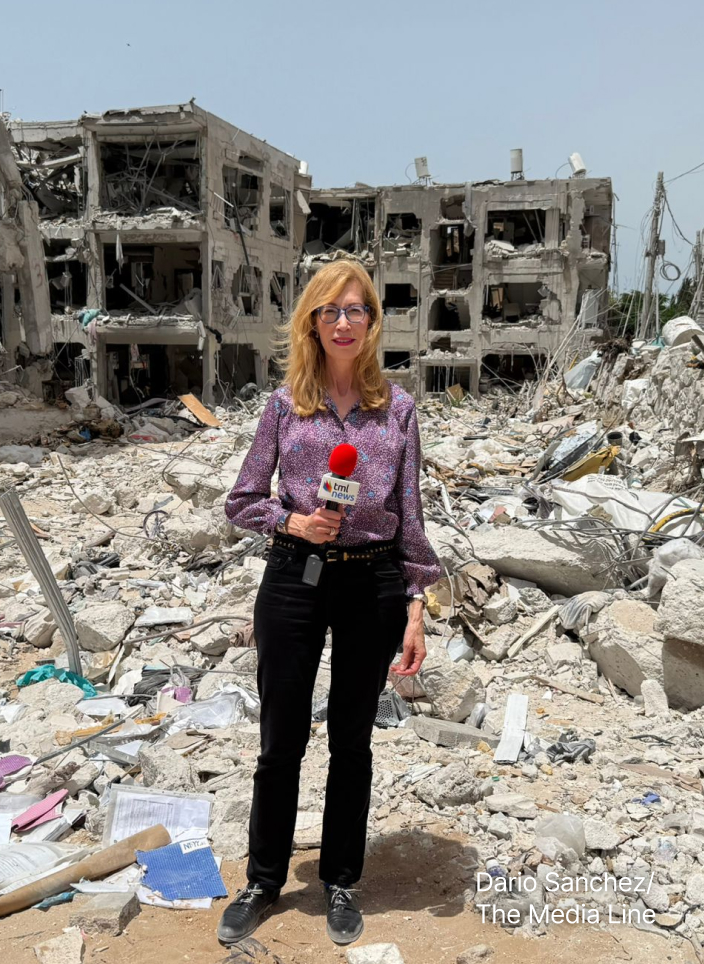
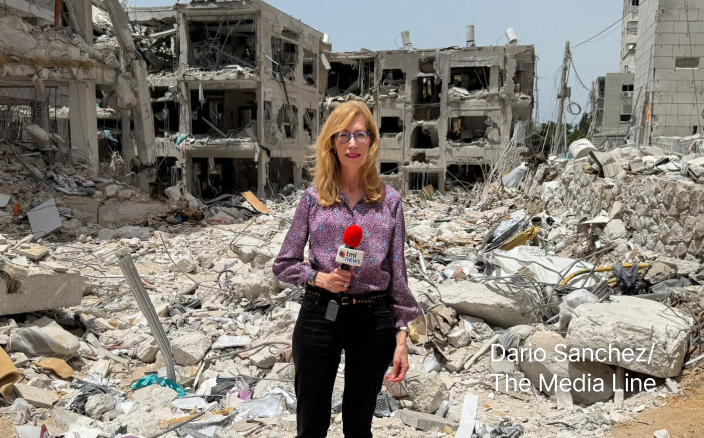
In the article, I walk readers through the difference between demonyms and ethnicity. A demonym names the people of a place; ethnicity names a people. The two often overlap, but not always. “Swiss” covers several linguistic communities. “Azerbaijani” can mean citizenship, while “Azeri” is often used for an ethnic group that also lives beyond Azerbaijan’s borders.
I also trace where the name “Somaliland” comes from—“land of the Somalis”—and how it grew out of the colonial split between British Somaliland and Italian Somaliland, their 1960 union, and the break that followed Somalia’s collapse.
Ethnically, Somaliland’s population is overwhelmingly Somali, part of a wider people spread across Somalia, Djibouti, eastern Ethiopia, and northeastern Kenya. Inside that shared identity, clan affiliation—Isaaq, Dir, Darod, and others—shapes politics and social life, while minority communities with Bantu or coastal roots add another layer to the story.
The bottom line is simple: “Somalilander” is about place and politics; “Somali” is about ethnicity; many people are both. I explain why in detail in the full piece—and it’s worth the few extra minutes.
