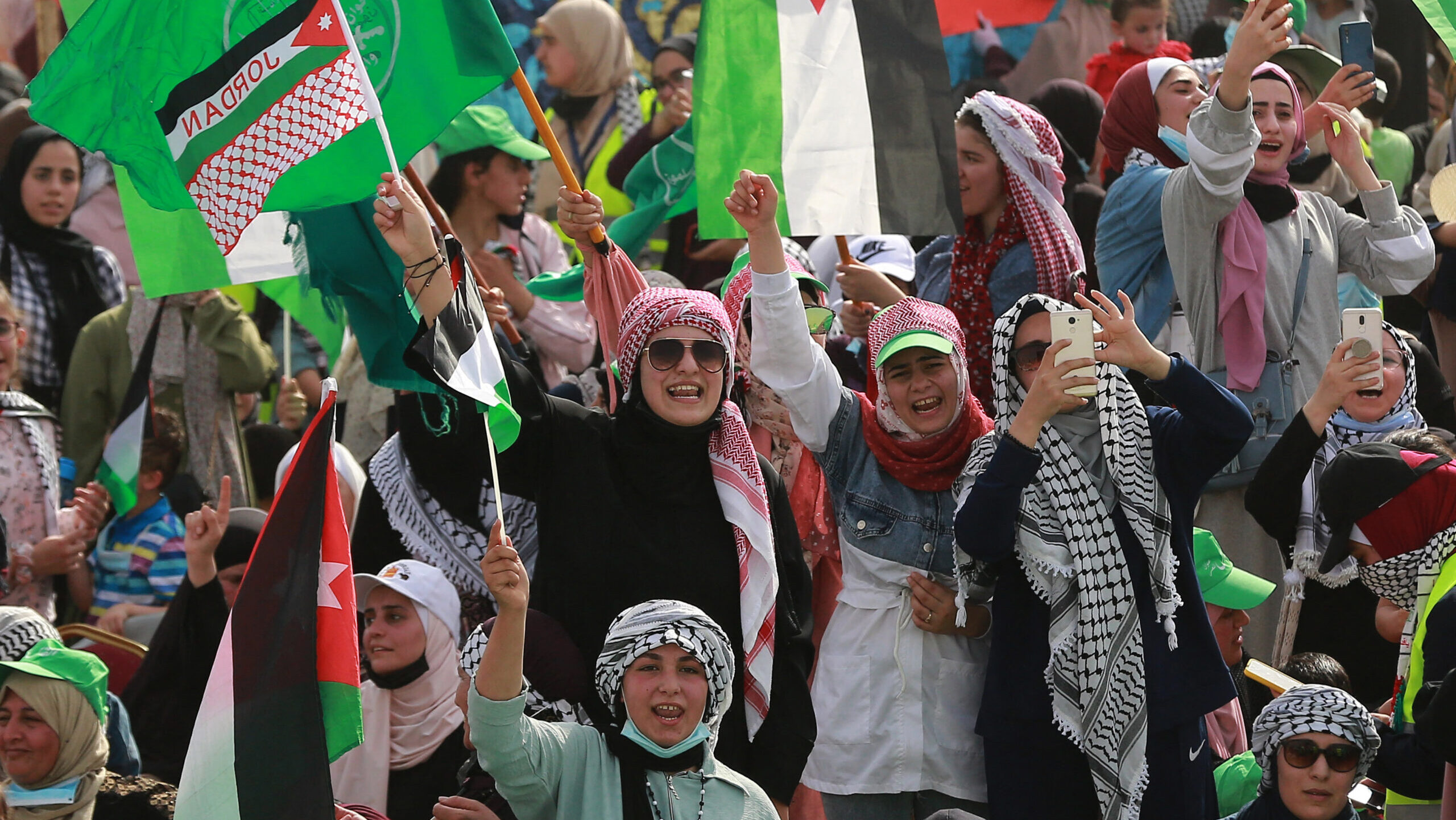
From Texas to Turin, New Pressure Builds on Muslim Brotherhood Networks
Giorgia Valente’s report tracks a quiet but consequential shift in Western policy: the effort by President Donald Trump’s administration to pull the Muslim Brotherhood closer to the legal category of “Foreign Terrorist Organization” and drag Europe in that direction too. The story opens in Turin, where an imam’s contested prosecution reflects growing anxiety in Italy and across the continent about Islamist networks. From there, Valente follows the trail to Washington and Texas, where the American president’s new executive order and Gov. Greg Abbott’s state-level designations have pushed a long-simmering debate into a new phase.
Middle East specialist Dr. Tallha Abdulrazaq tells The Media Line this is not just another policy tweak. In his view, Washington is shifting from uneasy pragmatism—treating the Brotherhood as a difficult political actor—to closer ideological alignment with Gulf monarchies and Israel, which have long branded the movement a core threat. He argues the White House is riding a domestic wave of anger over campus protests and the war in Gaza, using terrorism designations to clamp down on what it calls “legalistic Islamism.”
Give the gift of hope
We practice what we preach:
accurate, fearless journalism. But we can't do it alone.
- On the ground in Gaza, Syria, Israel, Egypt, Pakistan, and more
- Our program trained more than 100 journalists
- Calling out fake news and reporting real facts
- On the ground in Gaza, Syria, Israel, Egypt, Pakistan, and more
- Our program trained more than 100 journalists
- Calling out fake news and reporting real facts
Join us.
Support The Media Line. Save democracy.
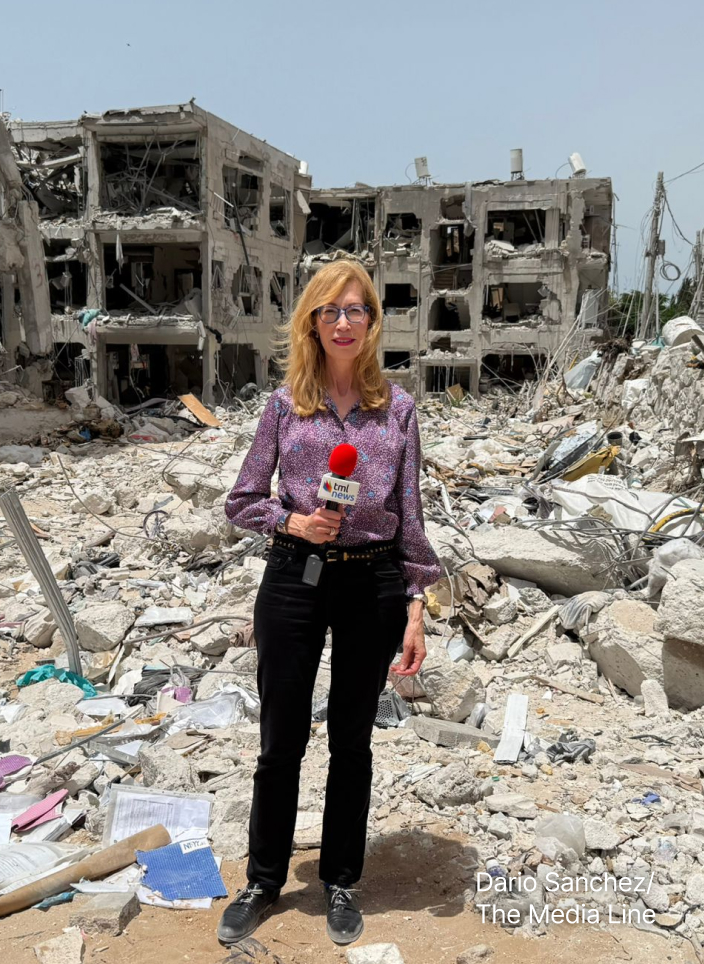
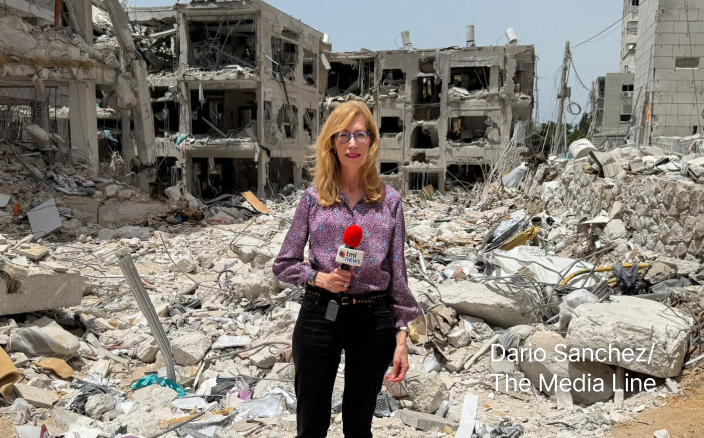
Valente contrasts that with Europe’s slower, more legalistic path: Austria’s ban, French intelligence reports warning of “entryism,” German surveillance of Brotherhood-linked centers. The European Union is unlikely to copy a full US terror listing, but experts expect tighter financial oversight, de-platforming, and pressure on civil associations accused of pushing an Islamist agenda.
Both Abdulrazaq and Italian researcher Daniele Garofalo warn that the Brotherhood is not just an armed structure but a dense social ecosystem. Treating a diffuse, political-religious current as a single terrorist bloc could either contain a dangerous network—or drive it underground, feeding the very radicalization Western governments say they want to stop. To grasp what is at stake, readers will want to follow Valente’s full piece all the way through.
