India, Israel, and the Gulf Push IMEC From Plan to Buildout
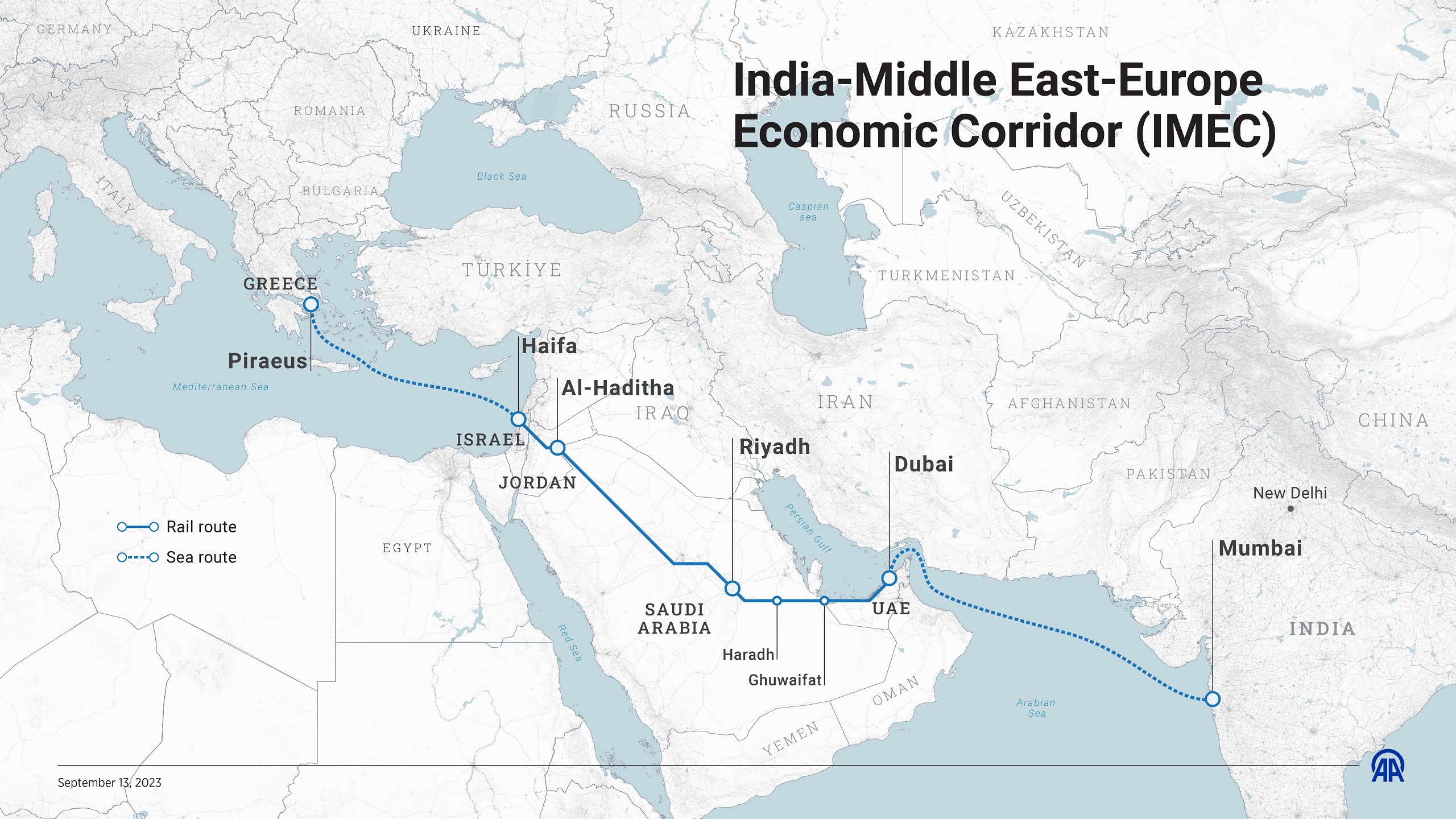
Backed by Washington and pushed by New Delhi and Gulf investors, the India–Middle East–Europe Economic Corridor is edging from sketch to construction, Jacob Wirtschafter reports for The Media Line. For India, IMEC promises tougher supply chains and a westward lifeline to Europe through Gulf mega-ports; for Israel, it’s a chance to pivot from an “island economy” to a land-sea hinge even during the Gaza war and tariff turbulence from the administration of President Donald Trump.
Trade data and demographics are driving the bet. Scholar Sreeram Chaulia notes booming India–UAE commerce, a 10-million-strong Indian diaspora in the Gulf, and New Delhi’s aim to lessen dependence on the Suez Canal. Israel’s appeal is security and technology: high trust, deep defense ties, and faster technology transfer than from Washington in some niches.
Give the gift of hope
We practice what we preach:
accurate, fearless journalism. But we can't do it alone.
- On the ground in Gaza, Syria, Israel, Egypt, Pakistan, and more
- Our program trained more than 100 journalists
- Calling out fake news and reporting real facts
- On the ground in Gaza, Syria, Israel, Egypt, Pakistan, and more
- Our program trained more than 100 journalists
- Calling out fake news and reporting real facts
Join us.
Support The Media Line. Save democracy.


Policy machinery is catching up. In Washington, the Eastern Mediterranean Gateway Act anchors the corridor’s western leg, while an Atlantic Council N7 study projects 40% shorter transit times and 30% lower costs—if Jordan builds a national railway linking Haifa and Ashdod to Gulf routes. Israel has begun rail work near Beit She’an to connect with Jordan once politics allow.
The Gulf calculus is mixed. Riyadh has cooled public enthusiasm, yet Crown Prince Mohammed bin Salman empowered ACWA Power to explore IMEC-linked energy grids. The UAE’s Jebel Ali keeps humming, and back-to-back trucking across Saudi Arabia and Jordan into Israel is also shaving days, a proof of concept. Turkey stands outside, with analyst Sinan Ciddi casting Ankara as a spoiler more than a missing piece.
The State Department says the US will keep pushing pilots and governance. For the fuller picture—and Wirtschafter’s sources on financing, Saudi politics, and the Jordan hinge—read the whole article.
