Iranian Protesters Appeal to Trump and Netanyahu as Death Toll Climbs
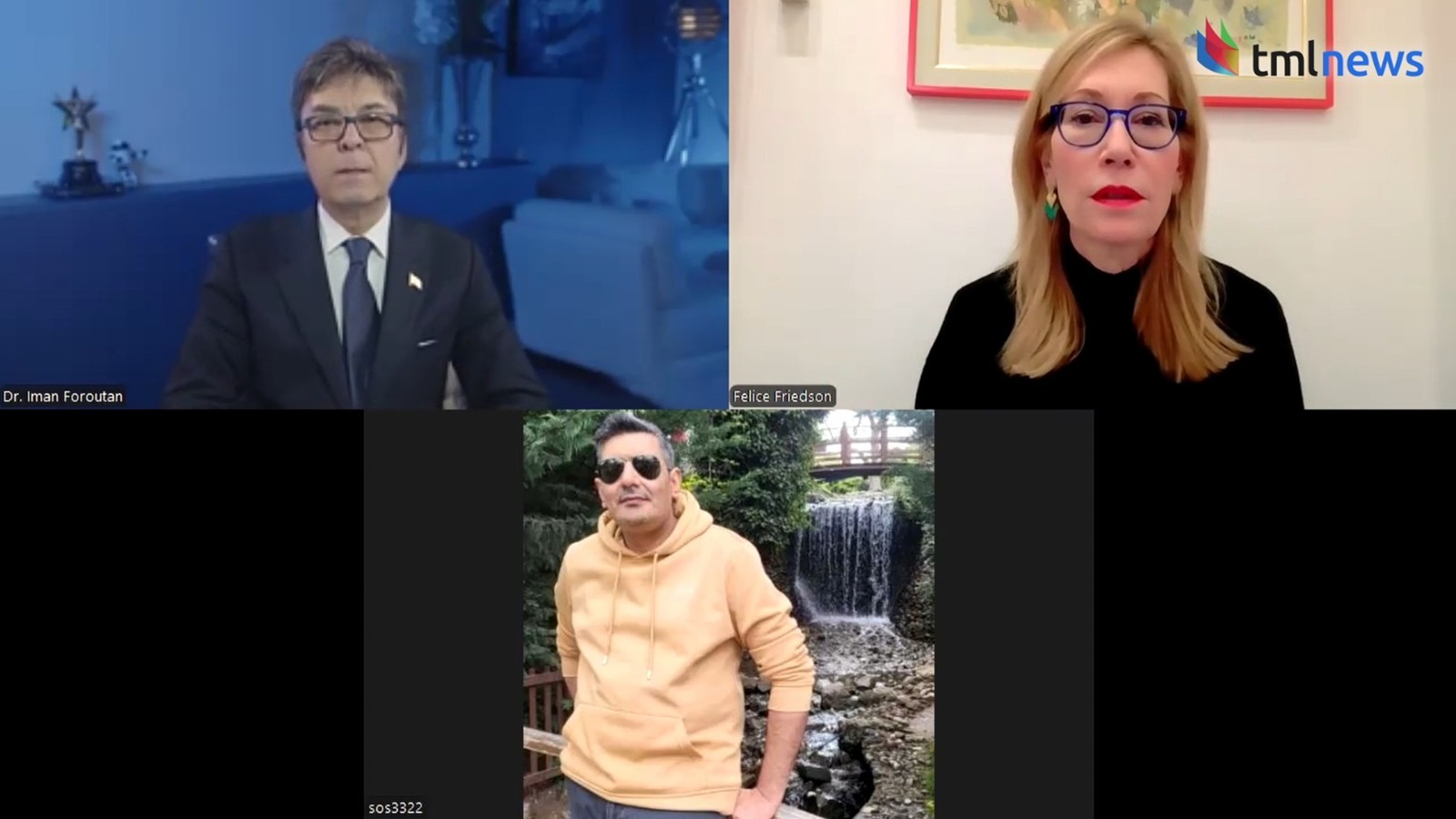
Felice Friedson reports that a shaky phone line and a throttled internet connection have become the front edge of Iran’s latest uprising, now spreading across dozens of cities as activists try to get the outside world to see what is happening in real time.
In a conversation arranged through The New Iran, a US-based pro-democracy movement, Dr. Iman Foroutan translated for “Hesam,” the group’s director of civil disobedience based in Turkey, and for two protesters inside Iran using aliases. They described a familiar state playbook: slow the internet, then cut it, and hit hardest during the blackout—when footage cannot leave and neighborhoods cannot coordinate.
Give the gift of hope
We practice what we preach:
accurate, fearless journalism. But we can't do it alone.
- On the ground in Gaza, Syria, Israel, Egypt, Pakistan, and more
- Our program trained more than 100 journalists
- Calling out fake news and reporting real facts
- On the ground in Gaza, Syria, Israel, Egypt, Pakistan, and more
- Our program trained more than 100 journalists
- Calling out fake news and reporting real facts
Join us.
Support The Media Line. Save democracy.
Hesam said demonstrations were active in more than 35 cities, with crowds ranging from roughly 500 to 8,000 depending on location, and he claimed 20 people had been killed. By publication, at least 30 deaths had been confirmed by name through multiple sources.
One protester, Hadis Najafi, said the unrest began with collapsing purchasing power and shuttered shops, then turned political after beatings and live fire. She described water cannons, BB guns, arrests of young people, and violence in provinces far from Tehran. Another participant said chants quickly shifted from prices to freedom and to calling out leaders, including Reza Pahlavi.
The activists asked Prime Minister Benjamin Netanyahu and President Donald Trump for two things: a clear guarantee that Iran’s territorial integrity would be protected if the regime falls, and practical support—especially open internet—so Iranians can document crackdowns and organize safely.
Read the full report for the voices, the details, and the stakes—and watch the video conversation. Felice Friedson’s interview captures a movement trying to stay connected when the state’s first weapon is silence in Iran.
