
Israel Moves To Complete Bnei Menashe Aliyah From India
In her latest piece for The Media Line, Maayan Hoffman follows the long journey of the Bnei Menashe, a small community from India’s northeast who say they descend from one of Israel’s lost tribes and are finally on the cusp of coming home. After years of lobbying, the Israeli government has approved a plan to bring the remaining Bnei Menashe to Israel in two stages, completing an aliyah story that stretches back 2,700 years in their collective memory.
The decision paves the way for about 1,200 people to arrive by 2026 and another 4,600 by 2030, most to be settled in northern Israel as part of a broader push to strengthen the Galilee. The plan, delayed by the October 7 war, is now moving forward again. The state will spend roughly 90 million shekels on flights, conversion, housing, Hebrew studies, and job and school placement, betting that this tight-knit community will keep doing what it has already done in Israel: work, serve in the army, and raise children rooted in Jewish life.
Give the gift of hope
We practice what we preach:
accurate, fearless journalism. But we can't do it alone.
- On the ground in Gaza, Syria, Israel, Egypt, Pakistan, and more
- Our program trained more than 100 journalists
- Calling out fake news and reporting real facts
- On the ground in Gaza, Syria, Israel, Egypt, Pakistan, and more
- Our program trained more than 100 journalists
- Calling out fake news and reporting real facts
Join us.
Support The Media Line. Save democracy.
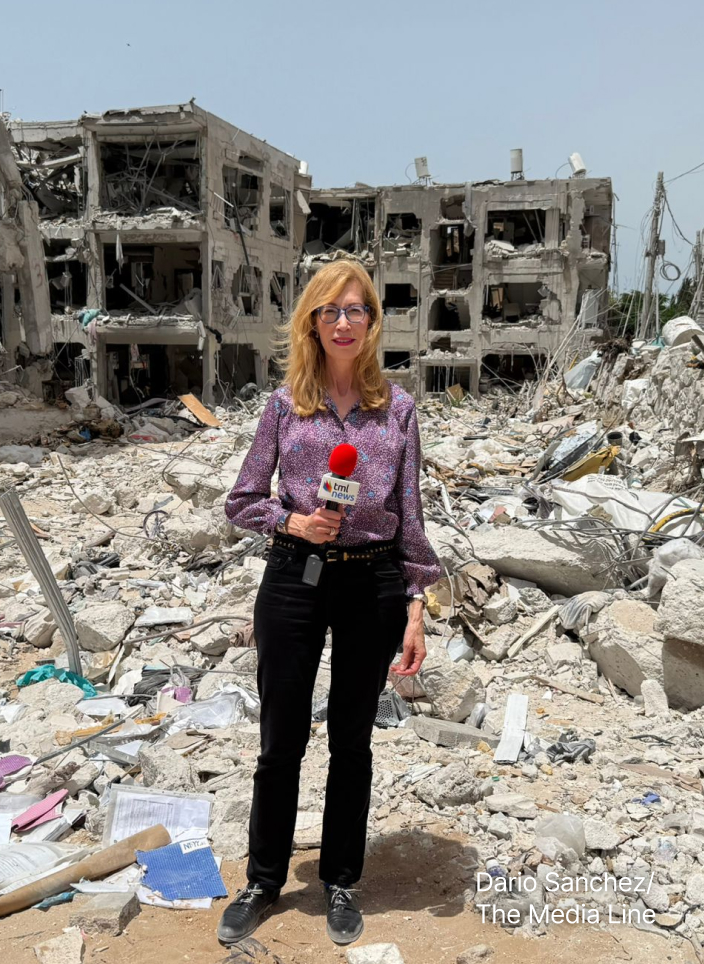
Hoffman weaves in the story of Shavei Israel chairman Michael Freund, who stumbled on a letter from Bnei Menashe leaders in the 1990s and has spent decades turning their plea into policy. Rabbis and Israeli officials now see the group as “quality immigrants” who arrive English-speaking yet deeply committed to Jewish practice.
Framed against ancient Assyrian exile, Babylonian conquest, and modern Zionism, the Bnei Menashe saga offers readers a rare mix of Bible, bureaucracy, and personal faith. To understand what this decision means in India’s hill towns, in Galilee neighborhoods, and in the lives of families like that of Hanoch Haokip, you will want to read Maayan Hoffman’s full report.
