Israel’s Hospitals Go Underground Again as Iranian Missiles Fly
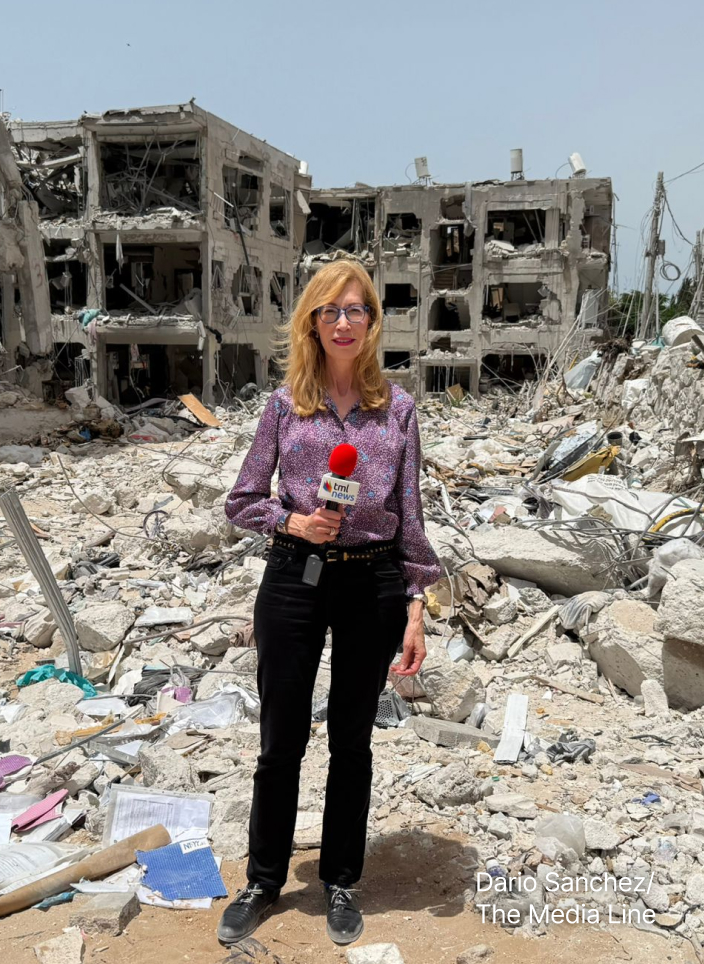
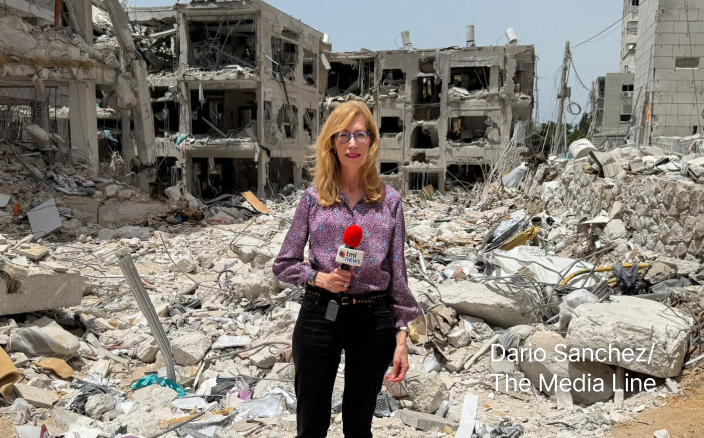
Maayan Hoffman’s latest dispatch for The Media Line drops you into Israel’s war routine in the most jarring way possible: not on a battlefield, but in hospital corridors—many of them now underground—as Iranian missiles send patients, staff, and equipment below the surface again.
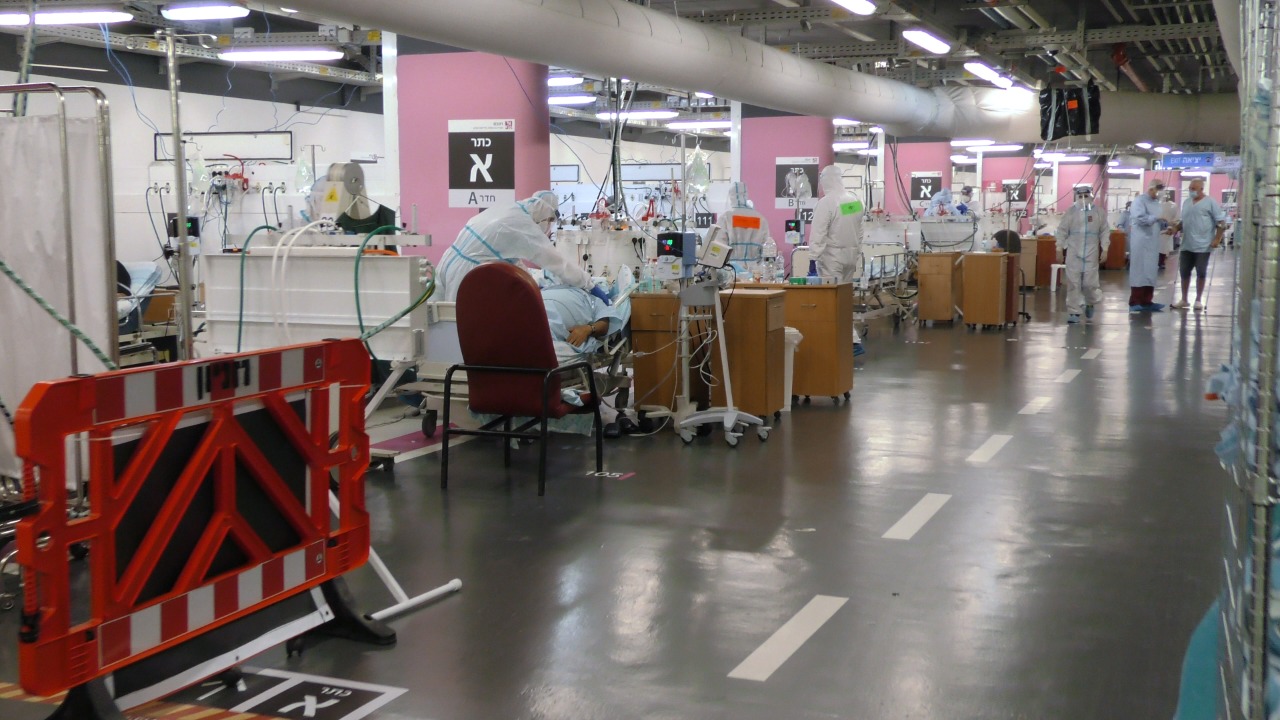
At Hadassah Hospital Mount Scopus in Jerusalem, the Gandel Rehabilitation Center’s underground hospital was packed with more than 100 patients on Saturday night after rapid transfers meant to keep them safe as strikes intensified. The scene, Hoffman reports, echoes June 2025, when a 12-day war forced hospitals nationwide to shift critical operations into protected spaces; Soroka Medical Center in Beersheba was even hit, with patients moved underground just hours earlier.
Give the gift of hope
We practice what we preach:
accurate, fearless journalism. But we can't do it alone.
- On the ground in Gaza, Syria, Israel, Egypt, Pakistan, and more
- Our program trained more than 100 journalists
- Calling out fake news and reporting real facts
- On the ground in Gaza, Syria, Israel, Egypt, Pakistan, and more
- Our program trained more than 100 journalists
- Calling out fake news and reporting real facts
Join us.
Support The Media Line. Save democracy.
This time, preparation looks less like improvisation and more like muscle memory. Dr. Moshe Simons, an Orthodox internist working underground on Shabbat, said the system has gotten faster and more organized. “We didn’t know how long it would take,” Simons told The Media Line. “If it took us eight hours to get the patients downstairs last time, it took less this time.” He described mapped-out plans for which patients go down, where they’re placed, and how teams rotate.
Still, the subterranean setup comes with tradeoffs: one open room, curtain dividers, tight corridors for machines, limited lighting, and no fresh air—making breaks during quieter windows essential. Nationally, hospitals have restricted operations to essential and limited elective or ambulatory care.
The article tracks the grim context driving these protocols. Overnight, one woman was killed and more than two dozen people were injured in central Israel. On March 1, an Iranian missile hit a bomb shelter in Beit Shemesh, killing nine, injuring 51, and leaving 11 unaccounted for. Hoffman notes that while many early injuries were light—often from rushing to shelters—Israel is bracing for worse.
Emergency organizations surged: Magen David Adom raised its alert level to maximum, while ZAKA readied vehicles and equipment. Meanwhile, Assuta Ashdod continued “business as usual” in fully protected units, and Shaare Zedek held a Havdalah ceremony that reflected how faith and triage now share the same timetable. Read Hoffman’s full piece to see how Israel’s hospitals keep care going when the country goes underground.
